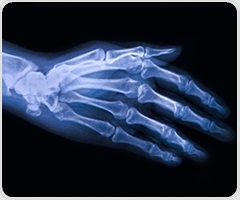
Keck Medicine of USC has launched a clinical trial testing the safety and tolerability of a new investigational treatment and its potential effects on preventing cartilage deterioration in people with knee osteoarthritis, the most common form of the disease.
An international study of 6,607 adults with autoimmune diseases found that female participants reported longer diagnostic delays, more clinician visits, and higher rates of perceived psychiatric and psychosomatic misdiagnoses than males.
Females with autoimmune diseases are significantly more likely than males to have their autoimmune disease misdiagnosed as a psychiatric or psychosomatic condition, according to a study of more than 6,600 patients.
A review published in Genes & Diseases highlights the prostaglandin E2 receptor subtype 4 (EP4) as an important regulator of inflammation and a promising therapeutic target for a wide range of inflammatory and inflammation-related diseases.
Despite sustained declines in overall cardiovascular disease mortality in the U.S., disparities based on race, ethnicity and place still persist, with mortality varying far more across counties than states, according to a county-by-cause-by-population analysis published in JACC, the flagship journal of the American College of Cardiology (ACC).
Researchers analyzing health records from 62.5 million people in England found that the prevalence of 406 rare diseases varied substantially between ethnic communities, with important differences concealed by broad ethnic classifications. Recorded COVID-19 infections were also more common among people with the studied rare diseases (32.8% versus 29.
A study of 204 patients undergoing intravenous cannulation before MRI found that those listening to their favorite music reported significantly lower pain scores than patients hearing no music at 30 seconds and two minutes after puncture. Mozart was also associated with lower pain scores among patients with pre-existing pain, while relaxation music showed no significant benefit, although the non-randomized findings require confirmation.
Why did you receive this email?
You are receiving this email because you subscribed to updates from AZoNetwork UK Ltd. on one of
our websites
and requested to be notified of additional information.