
|
|
|
| |

|
|
| |
The latest metabolomics news from AZoNetwork |
|
|
|
 | | |
 Leveraging Untargeted Metabolomics and Lipidomics
Discover how untargeted metabolomics and lipidomics are transforming drug discovery and precision medicine. In this free on-demand webinar, Evotec’s Michael Méret explores the principles, technologies, and workflows behind these powerful omics approaches, and demonstrates how biomarker discovery in autoimmune disease research can unlock new diagnostic and therapeutic opportunities.
| |
|
|
|  | | | | |  Your age may not tell the whole story about your health, but your blood could Researchers analyzed plasma metabolites from 18,476 individuals aged 1 to 96 years and developed two metabolomic aging measures to assess biological aging, chronic disease, and mortality risk. Accelerated metabolomic aging was associated with greater risks of chronic disease and death, while a separate mortality-linked measure provided additional information about health status and disease burden beyond conventional clinical assessments. | |  | | | | |  How COVID-19 accelerated advances in metabolic phenotyping Collaborative COVID-19 research advanced metabolic phenotyping using NMR, revealing metabolic signatures of infection and more. | | | | | | |  Coffee, citrus and genetics: What scientists found inside human breast milk In a bioRxiv preprint, researchers analyzed 458 metabolites in breast milk samples from 349 mothers to investigate how maternal diet, genetics, clinical characteristics, and milk-cell gene expression relate to milk composition. | | | | | | |  Scientists found a link between Mediterranean diet blood markers and longer survival Researchers found that a previously validated 67-metabolite blood signature of Mediterranean diet adherence was associated with lower long-term mortality across a Spanish trial population and three US cohorts. Participants with the highest signature scores had a 23% lower relative hazard of death than those with the lowest scores in both populations, although the findings do not establish a causal relationship. | | | | | | | 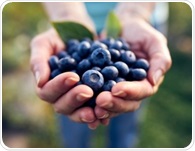 Blueberries reduced blood vessel inflammation in mice, but only with gut microbes present A preclinical study found that gut microbes help convert blueberry phytochemicals into circulating metabolites, including hippuric acid, that are associated with reduced vascular inflammation. In mice fed a high-fat diet, blueberry supplementation reduced inflammatory markers and monocyte adhesion to blood vessels, but these benefits disappeared following antibiotic-mediated gut microbial depletion. | |
|
|
| | | | How would you rate today's newsletter?
| |
|
|
| | | |
 |
Stay updated with the latest in health and medical news! Follow News‑Medical.net on Google News for real‑time updates. Click here to follow us now. |
| |
|
|
|
|
|
|
|