A randomized study of adults with obesity suggests that when you eat may matter as much as what you eat. Earlier evening meals are linked to lower overnight glucose levels and fewer concerns about low blood sugar than delaying breakfast.
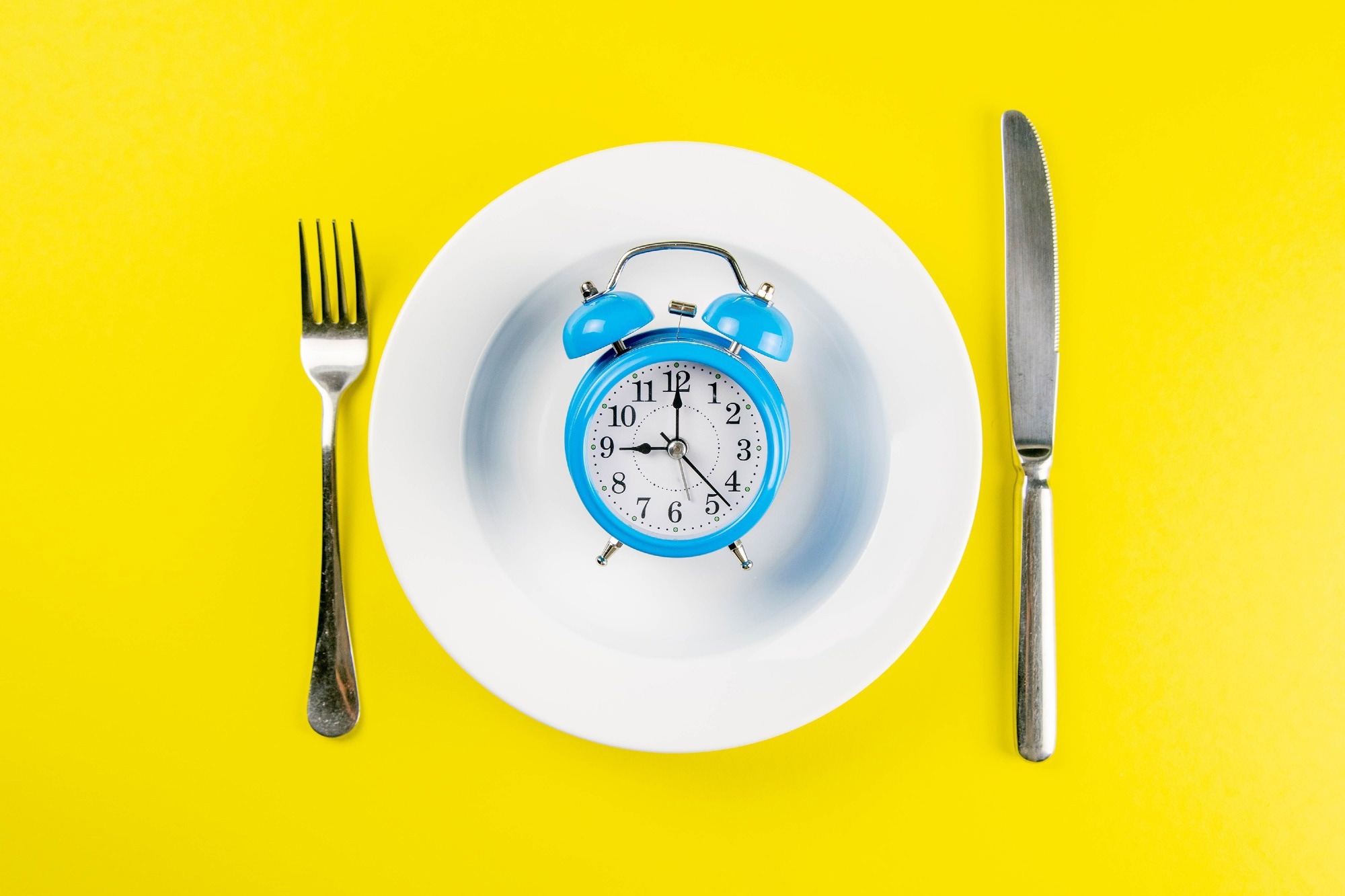 Study: Relationship Between Sleep and Meal Timing with Glycemia Parameters in Individuals with Obesity Participating in a Randomized Time-Restricted Eating Study. Image credit: Faievych Vasyl/Shutterstock.com
A new study published in the journal Nutrients reveals an association between meal and sleep timing intervals and glycemic outcomes in obese individuals.
Circadian rhythms help regulate glucose and energy
The circadian system is the body’s internal biological clock that regulates key physiological processes, including the sleep cycle, hormone release, digestion, and body temperature, in response to the environmental day-night cycle. Irregular sleep timing, meal timing, and light exposure can trigger circadian misalignment, which in turn is associated with various health complications, including impaired glucose metabolism, inflammation, diabetes, obesity, and cardiovascular disease.
Night-shift workers whose meal and sleep timing do not always align with the natural circadian rhythms often experience metabolic dysfunction and are at higher risk of developing cardiometabolic diseases. Higher calorie intake in evening hours or late-evening dinner has also been found to increase the risk of developing diabetes, obesity, and abnormal glycemic control. Time-restricted eating patterns that limit food intake to an 8–10-hour window have shown promise in synchronizing meal times with circadian rhythms.
To better understand how meal and sleep timing affect glucose metabolism, this study aimed to explore whether the intervals between sleep and meal times influence glucose metabolism in obese individuals following time-restricted, caloric-restricted, or unrestricted eating patterns.
Twelve-week intervention assessed timing-related metabolic effects
The study enrolled 44 adults with obesity. They were randomized in a 1:1:1 ratio to one of three dietary interventions: time-restricted eating (8-hour eating window), caloric-restricted eating (15% reduction in daily caloric intake), and unrestricted eating (usual eating pattern; control group). Each intervention lasted for 12 weeks.
Participants’ daily dietary intake and its timing were assessed using a specialized tool; glycemic outcomes were assessed using a continuous glucose monitoring (CGM) device; and sleep timing was assessed using a specialized device over a 2-week period before randomization (baseline) and after completion of the intervention.
Appropriate statistical analysis was conducted to explore the association between glycemic outcomes and two meal-sleep intervals, i.e., last meal to sleep onset and from awakening to first meal.
Morning and evening fasting show distinct effects
The study found significant associations between glycemic outcomes and meal-sleep interval at the end of the intervention.
Specifically, each 1-hour increase in awake time to the first meal interval was associated with lower overnight glucose levels, lower overnight glucose variability, and less time spent above very high glucose levels overnight. However, it was also associated with a greater percentage of time spent below 70 mg/dL overnight, indicating a potential increase in hypoglycemia risk.
Similarly, each 1-hour increase in the last meal-to-sleep interval was associated with lower overnight glucose levels.
The observed associations remained unchanged even after adjusting for baseline sleep duration, glycated hemoglobin (HbA1c), and randomization assignment.
Meal timing strategies may require personalization
The study reveals that longer fasting intervals in the morning after waking and in the evening before sleep were associated with improved overnight glucose measures in adults with obesity. These findings are particularly relevant for selecting eating windows for individuals planning to practice time-restricted eating.
As discussed by the researchers, prolonged morning fasting may affect overnight glucose levels through circadian entrainment, since meal timing is known to alter peripheral clocks. However, this finding contrasts with some prior studies reporting the benefits of early eating.
The observed glucose-lowering effect of prolonged evening fasting before going to sleep contributes to the growing literature on the adverse effects of late eating on cardiometabolic parameters. According to data from the National Health and Nutrition Examination Survey, late-evening eating is associated with a 12% increased risk of abdominal obesity and a 65% increased risk of elevated fasting glucose. Also, mechanistic evidence indicates that late eating can impair pre-meal carbohydrate utilization, increase post-meal and overnight glucose levels, and reduce overnight fatty acid oxidation.
Overall, the study findings suggest that a longer interval between waking and the first meal in the morning may improve certain overnight glycemic measures in individuals with obesity. However, this eating pattern may increase the risk of hypoglycemia.
By contrast, a longer interval between dinner and nighttime sleep can lower overnight blood glucose levels without increasing the risk of hypoglycemia. These findings collectively suggest that while delaying breakfast was associated with favorable overnight glucose metrics, extending the interval between dinner and sleep may be a more practical strategy for individuals at higher risk of hypoglycemia, highlighting the potential of personalizing time-restricted eating programs based on individual glycemic risk profiles.
The exploratory analysis cannot establish cause and effect
It is important to consider that the study participants were non-diabetic, and glycemic variability is generally lower in this population than in individuals with diabetes. This may explain the modest effect sizes on glucose parameters. The study also lacked a gold-standard circadian timing measure, such as dim light melatonin onset, which could further characterize the relationship between meal timing and internal circadian markers.
Download your PDF copy by clicking here.
Journal reference:
- Reutrakul S. (2026). Relationship Between Sleep and Meal Timing with Glycemia Parameters in Individuals with Obesity Participating in a Randomized Time-Restricted Eating Study. Nutrients. DOI: https://doi.org/10.3390/nu18111824. https://www.mdpi.com/2072-6643/18/11/1824.
 Why blood pressure rises faster in women after midlife