Barbiturates are synthetic drugs used in medicine to depress the central nervous system (CNS). The effects of barbiturates range from mild sedation to coma, with their indications ranging from sedatives, hypnotics, or as part of anesthesia. Some barbiturates are also used to relieve tension or anxiety prior to surgery.
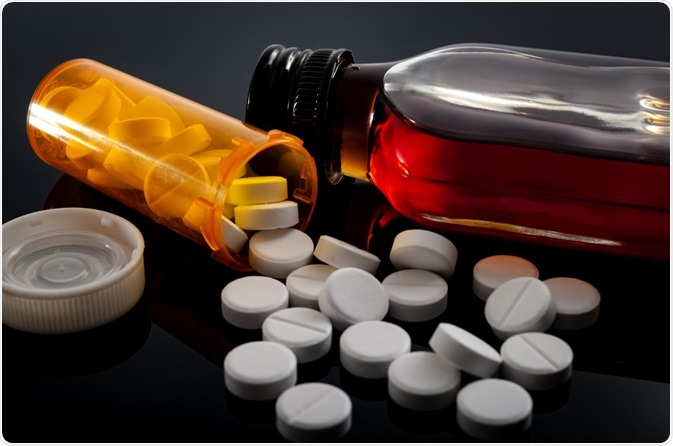
Image Credit: Victor Moussa / Shutterstock.com
Indications for barbiturates
Barbiturates used to be regularly prescribed to treat insomnia, depression, and anxiety. Notably, the small difference between a normal dose and an overdose led to a number of accidental deaths, as well as people using them to commit suicide.
Therefore, the use of barbiturates as sedatives or hypnotics to relieve insomnia or daytime restlessness caused by everyday stresses is no longer advised. As a result of these potentially deadly side effects, the use of barbiturates for these purposes has been replaced with safer medicines.
Today, barbiturates are generally only used to treat extreme and serious cases of insomnia. They are also used to help control seizures in epilepsy, as well as an adjunct to anesthesia in some cases.
Pharmacological barbiturates are based on the parent compound barbituric acid. The type of barbiturate depends on the substituent used at position 5 of this basic skeleton. Around 2,500 different types of barbiturates have been synthesized since 1881, which is when barbital, the first pharmacologically active form, was synthesized. However, only around 50 of these agents have ever been used clinically.
Availability and legal status
Under the Medicines Act, barbiturates are only available to patients with a prescription from a doctor. With a prescription, barbiturates are available in the following forms:
- Tablet
- Capsule
- Elixir
- Solution
- Suspension
- Enema
- Suppository
The Misuse of Drugs Act classifies barbiturates as class B drugs, which means that these drugs can be bought in accordance with a doctor’s prescription; however, any other form of possession or supply of barbiturates is considered an offense. The maximum penalty that a person can receive for any unauthorized possession of barbiturates is 5 years in prison and a fine for possession. For supply, the maximum penalty is 14 years in prison and a fine.
If barbiturates are prepared as injection drugs, they are then classified as class A drugs, with the penalties for possession and supply being even more severe.
Effects of barbiturates
Barbiturates slow down the CNS in a similar way to alcohol and, depending on how rapidly they produce effects and the duration of those effects, they may be classed as ultra-short-, short-, intermediate-, or long-acting.
In the case of long-acting phenobarbital and barbital, their effects may last for up to 24 hours. Typically, these long-acting barbiturates are used in combination with other drugs to prevent convulsions in epilepsy.
The effects of intermediate-acting barbiturates, such as butabarbital sodium, last between 6 and 12 hours, and these are used to treat insomnia. Pentobarbital is an example of a short-acting barbiturate that is also used to help patients fall asleep.
The ultra-short acting barbiturate of thiamylal is administered as an injection to induce unconsciousness in patients who are about to undergo surgery. Gaseous anesthetics are then used to maintain the patient's unconsciousness throughout the surgical procedure.
Small does of barbiturates can make people feel relaxed, uninhibited, mildly euphoric, free of anxiety, and sleepy. Larger doses can cause hostility, anxiety, body ataxia, slurred speech, paranoia, and suicidal thoughts. The risk of falling over or having an accident is also increased as the dose of barbiturates increases.
With prolonged use, tolerance can quickly develop. To this end, tolerance occurs when larger doses than the original dose are required to produce the same effects. This can increase the risk of overdose, signs of which include shallow breathing, rapid and weak pulse, dilated pupils, clammy skin, coma, and even death as a result of the severe depression of both the CNS and respiratory system.

Image Credit: Vitalii Vodolazskyi / Shutterstock.com
Withdrawal
Since tolerance and physical dependence can develop with the prolonged use of barbiturates, withdrawal from regular use can lead to various problems including:
- Irritability
- Faintness
- Anxiety
- Nausea
- Insomnia
- Convulsions
In cases where a person withdraws from regular use of very high doses of barbiturates, symptoms can be more severe and might include:
- Low blood pressure
- Hallucinations
- Delirium
- Seizures
Sudden withdrawal from the regular use of high doses of barbiturates can be fatal. For individuals who have become addicted to barbiturates, it is essential that they seek the care of trained rehabilitation professionals to help them withdraw safely and effectively from these drugs.
References
Further Reading
Last Updated: Apr 7, 2023