Macular degeneration, also sometimes referred to as age-related macular degeneration (AMD), is a health condition that involves central loss of vision as a result of damage to the retina of the eye. There are several other symptoms of the condition, which will be detailed in this article.
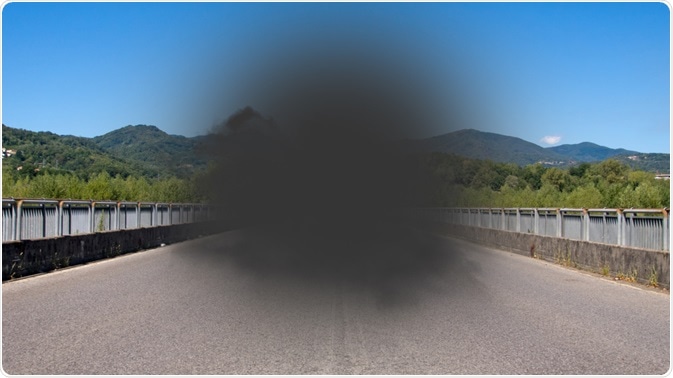 Image Credit: Sarah2/Shutterstock.com
General symptoms of macular degeneration
The initial symptoms of macular degeneration typically involve blurring of vision in the center of the visual field, although the peripheral vision is not affected. It is not usually painful and patients primarily notice the visual effects.
There is a distinct loss of visual acuity and individuals find it difficult to focus on fine detail, which makes activities such as reading and driving problematic. Particularly when the safety of other individuals is involved, such as when driving, individuals with macular degeneration should refrain from these activities altogether. Sensibility to contrast is also reduced, with the loss of ability to distinguish between focus and background objects, such as faces against a background.
Other signs and symptoms may include:
- Blurred vision
- Drusen, accumulation of extracellular material on the retina
- Changes in pigmentation
- Vision distortion
- Slow recovery from photo stress (e.g. bright light exposure)
- Reduction in visual acuity
- Central scotomas
- Insensitivity to contrast
There are two forms of macular degeneration: wet and dry. The dry form usually presents first with subtler symptoms and patients then progress to the wet form with more profound symptoms.
Dry macular degeneration symptoms
Patients with dry macular degeneration can usually continue with normal activities in their daily life without significant interference of the related vision loss for 5 to 10 years. In many cases, the condition progresses more in one eye and patients rely on the sight of their healthier eye, which extends the period of time before vision loss presents a large issue.
Early symptoms of dry AMD include:
- Reliance on brighter light when reading
- Blurry text when reading
- Less vibrant colors
- Difficulty distinguishing faces
- Less defined vision
These early signs of dry macular degeneration indicate that there may be a need for intervention to slow the progression of the condition to wet AMD and preserve vision.
Wet macular degeneration symptoms
Wet macular degeneration usually occurs in patients that have previously experienced symptoms of dry macular degeneration. This stage of the condition is marked by a sudden worsening of sight in the central field of vision.
Common symptoms for wet AMD include:
- Distortion of vision (e.g. abnormal shape of images, text or faces)
- Blind spots in vision, usually in the center of the visual field, which increase in size without treatment
- Hallucinations of visual shapes, people or animals that do not exist
Patients with wet macular degeneration should receive medical treatment immediately to prevent the worsening of vision.
Blindness
Macular degeneration does not cause total blindness and the peripheral vision remains largely unaffected. Although the loss of vision can inhibit patients’ quality of life and ability to perform some activities significantly, total vision loss is not a common complication of the health condition.
References
Further Reading
Last Updated: Apr 7, 2023
 Cardiovascular risk scores predict future development of serious eye diseases