The back is a complex structure made up of:
- Bones of the vertebrae
- Muscles
- Nerves
- Joints
Because of this complex structure it is difficult to pinpoint the exact cause of the pain. In most cases the pain is not caused by serious damage or disease but by sprains, minor strains, minor injuries or an irritated nerve ending. These may be triggered by an awkward position, everyday activities at home and at work, lifting or standing awkwardly or as a result of longstanding bad posture.
Common causes of back pain
Common causes include:
- Lifting, carrying, pushing or pulling incorrectly
- Twisting the back
- Sprains and injuries
- Bending awkwardly
- Sleeping or getting up from the bed awkwardly
- Overreaching or stretching
- Slouching while sitting
- Driving in a hunched position
- Bending or standing for long periods of time
- Driving for long hours without breaks
- Sitting at the desk for long hours without change in posture
- Repetitive strain injury
- Unaccustomed exercise
- Bad or uneven heeled shoes
- Ankylosing spondylosis
- Whiplash injury
- Frozen shoulder
- Slipped or bulging disc (this disc lies like a cushion between two vertebrae)
- Sciatica
- Arthritis
- Osteoporosis and vertebral fractures
- Skeletal irregularities (e.g., scoliosis, kyphosis, lordosis, back extension, back flexion) and conditions such as fibromyalgia, kidney stones or infections, endometriosis etc. More serious causes include cauda equine syndrome, bone cancers, spine infections
Risk factors for back pain
Some persons are typically more prone to getting back pain. Most persons however get back pain at some point in their lifetime. The following are risk factors for back pain:
- Age – Back pain typically occurs between the ages of 30 and 40. It becomes more common with age
- Level of fitness - Back pain is more common among people who are not physically fit. these individuals have weak back muscles.
- Pregnancy – Pregnancy may put a great strain on the back especially at later stages and there may be a dull back pain.
- Occupation – Persons who need to lift, push or pull and twist their backs at work, they may be at risk of back pain. Those working for long hours at their desks are also at risk of back pain.
- Stress – this leads to strain of the back muscles and stiffness that may give rise to back pain.
- Being overweight or obese – These individuals have too much stress on their spine that may lead to pain.
- Inherited - Some causes of back pain, such as disc disease may be inherited.
- Ethnicity and race - African American women are found to be two to three times more likely than white women to develop spondylolisthesis. Caucasian women of northern European heritage, on the other hand, are at the highest risk of developing osteoporosis.
- Smoking - Smoking reduces blood flow to the lower spine and causes the spinal discs to degenerate.
- Long term use of medications like corticosteroids. These weaken the bones and make them prone to fractures and injury.
- Depressive illness – those with depression are also prone to getting back pain.
- Other diseases – Those with arthritis and cancers with spread to bones may also experience back pain.
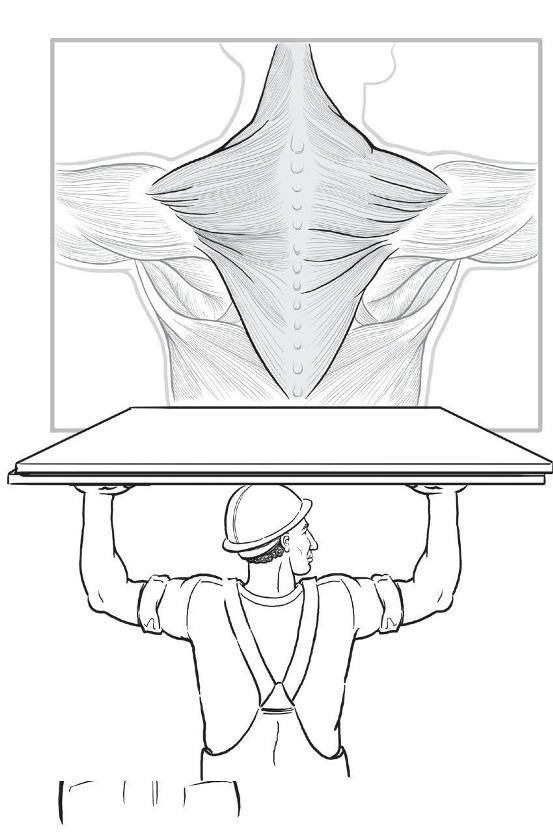
The muscles in your shoulder are connected to your arm by tendons. Between the tendons and bones are small sacs of fluid called bursa. They lubricate the shoulder so it moves easily. Continual stress on your shoulder can cause the bursa to get squeezed, swollen, stiff, and inflamed (bursitis). Bursitis can make it painful, or even impossible, to raise your arm. Image Credit: CDC
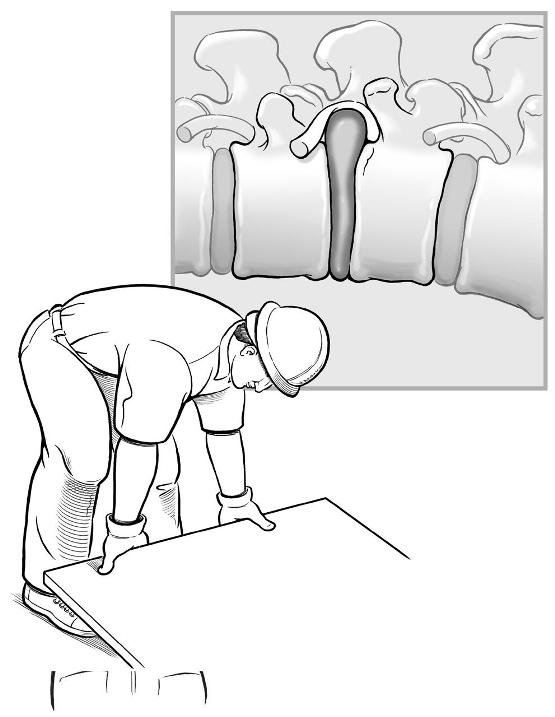
If you bend forward over and over for months or years, the discs are weakened, which may lead to disc rupture (or "herniation"). Image Credit: CDC
Further Reading
Last Updated: Jun 22, 2023
 Cyclana Bio raises £5M to advance drug discovery for endometriosis