Neuroblastoma is a relatively common cancer affecting infants and young babies. Research into this disease is essential to develop accurate diagnostic and screening methods to diagnose the condition early. Research also focuses on treating the condition as early as possible. Neuroblastoma research is ongoing in several institutions, medical centers, and hospitals.
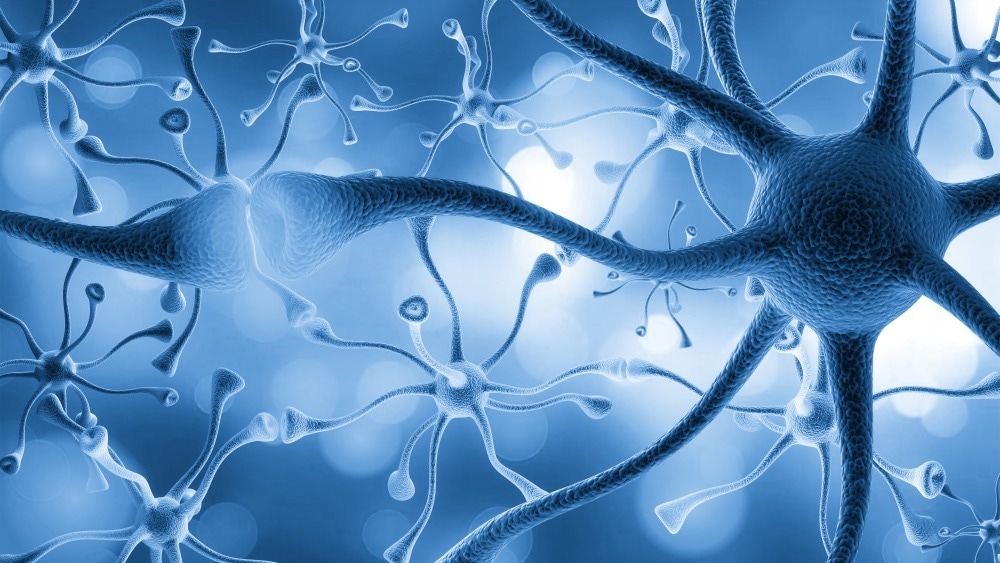
Image Credit: Billion Photos/Shutterstock.com
Several cytogenetic patterns identified in babies with neuroblastoma have been shown to predict a worse outcome, even after treatment. Research involves testing specific DNA sequence changes (mutations), especially on the short arm of chromosome 6 (6p22), as these changes increase the risk of neuroblastomas growing more rapidly.
New insights into neuroblastoma development and treatment
Another study has shown that neuroblastomas in older children are associated with changes in the tumor suppressor gene ATRX. Generally, this gene acts to suppress the development of cancers, but when altered or mutated, the tumor grows unchecked. Children with this gene tend to have a slow-growing but hard-to-cure neuroblastoma.
Over the last few years, scientists have identified several critical genes and proteins involved in the development and progression of neuroblastoma. This knowledge has led to the development of new targeted therapies that can target these specific molecules. Some of the candidate genes identified to be associated with neuroblastoma include:
- The Achaete-scute homolog 1 (Ascl1) gene encodes a transcription factor essential for neuronal differentiation during embryonic development. It has been found that Ascl1 is also dynamically expressed during neurogenesis in the adult brain, specifically in the subgranular zone (SGZ) of the dentate gyrus and the rostral subventricular zone (SVZ).
- The telomerase reverse transcriptase (TERT) gene encodes a catalytic subunit of the telomerase enzyme. Telomeres are the protective caps at the ends of chromosomes, which shorten each time a cell divides. When telomeres become too short, the cell can no longer divide and dies, a cellular process known as cellular senescence. Cellular senescence is associated with cancer and neurodegenerative disorders, and it has been shown that TERT rearrangements are a hallmark of neuroblastoma.
- The AT-Rich Interaction Domain 1B (ARID1B) gene encodes a subunit of the SWI/SNF protein complex, which regulates gene expression patterns by a cellular mechanism called chromatin remodeling. Mutations in the ARID1B gene are associated with alterations in childhood cancer neuroblastoma.
- CREB-binding protein (CBP) is a histone acetyltransferase that epigenetically acts by adding acetyl groups to the chromatin, altering the accessibility of transcription factors to different genes in the genome and regulating their expression. In neuroblastoma cells, it has been found that CBP controls gene acetylation in response to ionizing radiation.
- The E1A-associated protein p300 (EP300) is another histone acetyltransferase that controls the expression of different genes (e.g., CEBPB, CEBPD, and FOXA1). Recently, it has been shown that EP300 selectively modulates the enhancer landscape of the MYCN oncogene, which is known to be involved in cancer, including neuroblastoma.
Research also focuses on better effective combinations of chemotherapy agents for treating neuroblastoma. Some agents already used to treat other cancers are now being tested in neuroblastoma, including irinotecan, topotecan, and temozolomide. Moreover, drug formulations with different mechanisms to standard chemotherapy agents are being studied, including, among others, vorinostat, nifurtimox, bortezomib, and lestaurtinib. Research also focuses on minimizing the use of less effective chemotherapy agents.
Retinoids can effectively reduce neuroblastoma recurrence after treatment is carried out into what are hoped to be improved versions, such as fenretinide.
Researchers are looking at how neuroblastoma cells differ from normal cells to develop drugs that target these abnormal cells with a higher specificity than current treatments. Crizotinib (Xalkori), for example, is a drug that targets cells with changes in the ALK gene. Alterations in this gene are seen in around 15% of children with neuroblastoma. Researchers are testing whether adding an mTOR inhibitor can enhance the effects of crizotinib.
Cancer vaccines against neuroblastoma: fighting with an invisible enemy
Cancer vaccines represent an immunotherapy approach that uses the body's immune system to fight cancer cells. They work by exposing the immune system to tumor-associated antigens (TAAs), which are proteins located on the surface of cancer cells. The exposure of the immune system improves the recognition of TAAs, which subsequently destroys cancer cells that express those antigens. For example, the anti-GD2 tumor vaccine has been developed to target the GD2 antigen, a ganglioside expressed by neuroblastoma cancer cells. This treatment has shown promise in clinical trials for high-risk and low-risk neuroblastoma.
CAR T cell therapy in neuroblastoma
Chimeric antigen receptor T (CAR T) cell therapy is an immunotherapy that engineers the patient's T cells to recognize and kill cancer cells. This cancer cell therapy modifies the patient's T cells to recognize and kill cancer cells. To create CAR-T cells, the patient's T cells are collected and genetically modified to express a chimeric antigen receptor (CAR). First-generation GD2-CART-T cells have already been used in clinical trials in patients with relapsing neuroblastoma, thus being a revolutionary approach to treating this disease.
References
- http://www.nhs.uk/conditions/Neuroblastoma/Pages/Introduction.aspx
- http://www.cancer.org/acs/groups/cid/documents/webcontent/003125-pdf.pdf
- https://pediatrics.uchicago.edu/
- https://www.orpha.net/data/patho/GB/uk-neuroblastoma.pdf
- http://www.chw.edu/
- De Preter, Katleen, et al. "Human fetal neuroblast and neuroblastoma transcriptome analysis confirms neuroblast origin and highlights neuroblastoma candidate genes." Genome biology 7.9 (2006): 1-17.
- Kim, Euiseok J., et al. "Ascl1 (Mash1) defines cells with long-term neurogenic potential in subgranular and subventricular zones in adult mouse brain." PloS one 6.3 (2011): e18472.
- Valentijn, Linda J., et al. "TERT rearrangements are frequent in neuroblastoma and identify aggressive tumors." Nature genetics 47.12 (2015): 1411-1414.
- Sausen, Mark, et al. "Integrated genomic analyses identify ARID1A and ARID1B alterations in the childhood cancer neuroblastoma." Nature Genetics 45.1 (2013): 12-17.
- Durbin, Adam D., et al. "EP300 selectively controls the enhancer landscape of MYCN-amplified neuroblastoma." Cancer discovery 12.3 (2022): 730-751.
- Subramanian, Chitra, et al. "CREB-binding protein regulates Ku70 acetylation in response to ionization radiation in neuroblastoma." Molecular cancer research 11.2 (2013): 173-181.
- Chan, Godfrey Chi-Fung, and Carol Matias Chan. "Anti-GD2 directed immunotherapy for high-risk and metastatic neuroblastoma." Biomolecules 12.3 (2022): 358.
Further Reading
Last Updated: Jul 10, 2024