Paraplegia can contribute to a number of medical complications due to the loss of feeling or function in the lower extremities.
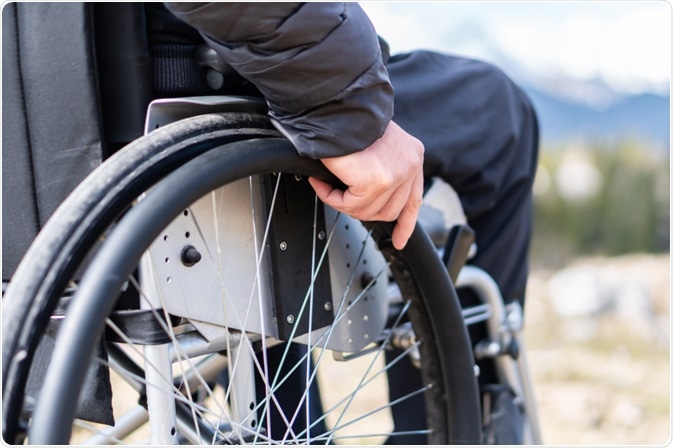
Image Credit: 24K-Production / Shutterstock.com
Overview
Complications resulting from paraplegia may include:
- Pressure sores (decubitus)
- Thrombosis
- Depression
- Bladder and bowel incontinence
- Impotence
- Circulation disorders
- Autonomic dysreflexia
- Loss of muscle tone
- Pain
- Pneumonia and other respiratory complications
Urinary tract and bowels
Bladder control is impaired in paraplegics as the nerve that allows the brain to control bladder control is damaged. Therefore, incontinence is common in paraplegics. Furthermore, urinary tract infections (UTIs) and kidney stones are common. Antibiotics are usually prescribed to treat UTIs and, in some cases, for prophylaxis.
Similarly, bowel incontinence due to the inability to control movements is also common. A high fiber diet can help to reduce the ease of bowel movements.
Physical conditions
Due to lack of movement and physical activity, a paraplegic’s fitness and wellbeing are at risk. Maintenance of muscle tone, fitness, and overall health is considered.
Physiotherapists often prescribe exercises and strategies for paraplegics to gain function and muscle. Occupational therapists can provide various assistive technologies such as a standing frame. Additionally, vigilant self-observation and care may aid in helping to prevent future and mitigate existing complications.
Sexual function
Sexual function can be affected due to a spinal cord injury. Males may experience difficulty obtaining an erection and ejaculating. Females generally have difficulty with lubrication. Urologists and fertility experts can help paraplegics address impotence and fertility difficulties.
Nervous system
Cases of chronic nerve pain in the areas surrounding the point of injury are not uncommon. Chronic nerve pain is most common in individuals with incomplete paraplegia. There is speculation that the "phantom pains" experienced by individuals suffering from paralysis could be a direct result of these collateral nerve injuries misinterpreted by the brain. Sometimes it results in death.
Poor circulation in the lower limbs can lead to swelling of legs and orthostatic hypotension due to poor blood flow back to the heart. Increased stasis of blood can result in blood clots, which can increase the risk of thrombosis and pulmonary embolism.
Other complications
As paraplegia is most often the result of a traumatic injury to the spinal cord tissue and the resulting inflammation, other nerve-related complications can and do occur.
Autonomic dysreflexia is a potentially life-threatening medical emergency occurring most commonly in patients with paraplegia. This condition is marked by a sudden onset of extreme hypertension. Paraplegics should be made aware of the symptoms, which are headache, profuse sweating, slow heart rate, and nasal congestion.
Depending on the location of the spinal injury, some paraplegics may experience difficulty breathing and coughing. This can increase the individual’s risk of having pneumonia.
Rehabilitation
A multidisciplinary team of health professionals usually works together with paraplegics to enable them to manage any complications that may occur. This can include but is not limited to, physiotherapists, occupational therapists, medical specialists, dietitians, and psychologists.
The change in an individual’s life as a result of paraplegia can be an ordeal to cope with emotionally and mentally. Additional complications and symptoms such as pain can make the change even more difficult to cope with. Psychologists, psychiatrists, and various other support groups can provide methods to manage symptoms of depression and distress to paraplegics and loved ones affected.
References
Further Reading
Last Updated: Nov 2, 2022