Tuberculosis is a treatable and curable infection. Treatment for tuberculosis depends on the type of tuberculosis and a long course of antibiotics are prescribed. In most cases admission to the hospital is not necessary. As earlier believed, isolation also is not practiced widely these days.
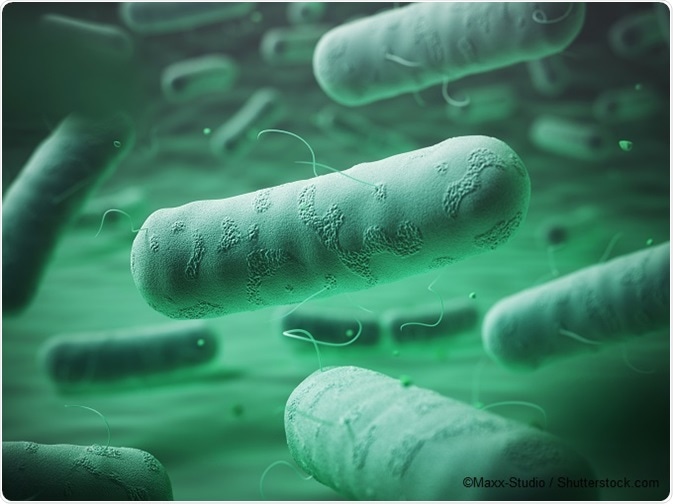
Antibiotics - First line drugs
Isoniazid is one of the most effective agents. It has the capability to penetrate the tubercular lesions. Rifampicin has good tissue penetration and like Isoniazid is also excreted by kidneys and both are metabolized or broken down by the liver. Both Isoniazid and Rifampicin may cause liver damage. Pyrazimamide acts on slow growing and semi-dormant bacilli that lie within the cells. Ethambutol also slowly inhibits mycobacterial growth.
Antibiotics - Second-line drugs
These are drugs that are used in resistance to and inefficacy of the first line agents. Drugs include amikacin, capreomycin, cycloserine, azithromycin, clarithromycin, moxifloxacin, levofloxacin etc. Streptomycin is now rarely used in the UK.
Pulmonary tuberculosis
Those with active tuberculosis need long term treatment to prevent spread and recurrence and ensure complete cure. The team involved in treating such patients includes:
- a respiratory physician who specialises in conditions that affect the lungs
- an infectious disease specialist or an internal medicine specialist
- a tuberculosis nurse
- a diet advisor
- a health visitor who is a qualified nurse with extra training in tuberculosis management
- a social care support worker who serves a point of contact between the patient and the rest of the team
Pulmonary tuberculosis is usually treated with a six-month course of a combination of antibiotics. The usual course of treatment is two antibiotics isoniazid and rifampicin daily for six months or a course with two additional antibiotics pyrazinamide and ethambutol daily for two months followed by a course of isoniazid and rifampicin daily for four months. The initial phase of two months with four drugs is called the intensive phase.
After the initial two weeks of treatment most people are no longer infectious and symptoms begin to recede. However, it is important to continue taking the medications and to complete the whole course of antibiotics to prevent recurrence. If the treatment is not completed and is adequate there is a risk of a recurrence when the usual treatments may not function as well as before.
Extrapulmonary tuberculosis
This type of tuberculosis occurs outside the lungs and is usually treated with the same combination of antibiotics as those used to treat pulmonary TB. The duration may be longer however extending up to 12 months.
Those with tuberculosis affecting the brain are given corticosteroids like prednisolone in addition to reduce any swelling in the affected areas.
Latent tuberculosis
Treatment for latent TB is usually recommended for those under 35 years of age, those with HIV infection, healthcare workers of any age and those with evidence of tubercular lesions on chest X rays. Treatment for latent TB involves either taking a combination of rifampicin and isoniazid for three months, or isoniazid alone for six months.
Antibiotic-resistant tuberculosis
Those with tuberculosis caused by strains that are resistant to anti-tubercular drugs used commonly are termed to have anti-biotic resistant tuberculosis. Tuberculosis with resistance to one type of antibiotic is not usually a concern since it may be replaced by other antibiotics.
However, those who develop a resistance to two antibiotics are said to have multi-drug resistant tuberculosis (MDR-TB) and those with tuberculosis that has a resistance to three or more antibiotics are said to have extensively drug-resistant tuberculosis (XDR-TB).
In 2011, almost 2 out of every 100 TB cases were resistant to at least two antibiotics. These are difficult to treat conditions. Both MDR-TB and XDR-TB will usually require treatment for at least 18 months using several combinations of antibiotics that are effective against tuberculosis.
Sources
- http://www.nhs.uk/Conditions/Tuberculosis/Pages/Treatment.aspx
- https://www.bbc.com/
- https://www.ncbi.nlm.nih.gov/
- https://www.who.int/
- http://www.cdc.gov/tb/education/corecurr/pdf/chapter2.pdf
- https://www.nice.org.uk/
Further Reading
Last Updated: Jun 22, 2023
 $3.8 million grant funds study on early lung immune responses to tuberculosis