Uterine fibroids are benign tumors that may grow in various regions of the uterus. These tumors are relatively common and affect approximately 20% of childbearing women and half of all women by the age of 50.
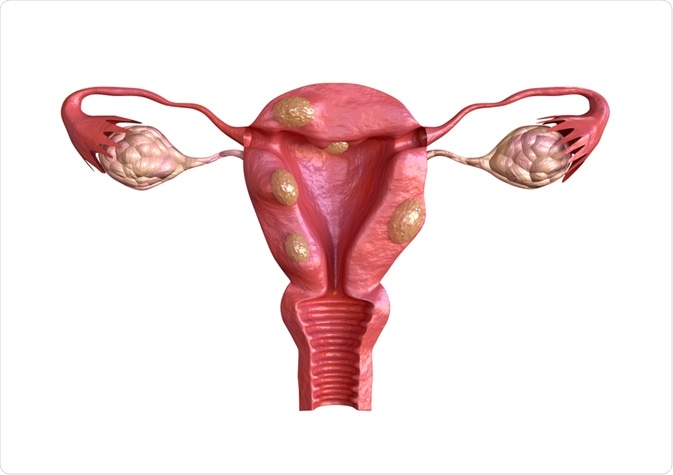
Image Credit: Adao / Shutterstock.com
Size and location
Uterine fibroids can vary greatly in size, ranging from microscopically small to several pounds in weight and big enough to fill the womb. Additionally, a single fibroid may develop or several may be formed.
Fibroids are classified according to their location in the womb. This includes:
- Myometrial in the uterine muscle wall
- Submucosal under the uterine lining surface
- Subserosal under the outside uterine lining
- Pedunculated on a long stalk inside or outside the uterus
Causes
The specific cause of fibroids is not known with precision, as there are believed to be several factors that may lead to the formation of these tumors. These factors include hormones such as estrogen and progesterone, as well as genetic mutations.
Women with uterine fibroids may notice that they grow in size when they are pregnant due to the hormonal changes that arise during this time. This can cause more severe symptoms, which usually return to their original state after the birth of the baby.
Symptoms
The severity of presenting symptoms differs greatly between affected women and is associated with the size and number of uterine fibroids. Symptoms may include:
- Spotting or bleeding between periods
- Heavy bleeding, sometimes with clots, during menstruation
- Longer duration of menstruation
- Frequent urination
- Severe pelvic cramping
- Abdominal pain
- Pain during sexual intercourse
For some women, the fibroids will shrink after menopause due to changes in hormonal levels, which usually brings about a reduction in symptom severity.
Diagnosis
It can be difficult to diagnose uterine fibroids, and the diagnosis will often require a series of examinations. These may include:
- A pelvic exam to determine changes in the shape of the uterus
- An ultrasound to depict the shape of the uterine wall and fibroids
- Magnetic resonance imaging (MRI) to create an image of the area
- Hysteroscopy examines the uterus internally with a tube inserted via the vagina
- An endometrial biopsy to examine the cells for malignant properties.
- Laparoscopy examines the uterus with a tube inserted via a cut in your stomach
Treatment
The treatment for a woman with uterine fibroids depends on her age, symptoms, and specific circumstances. The type of fibroids, the presence of other health conditions, and the intention to bear children in the future may all have an impact on the treatment decision.
The oral contraceptive pill (OCP) is often helpful for women who experience heavy periods due to fluctuating hormonal levels in their body. Other methods of birth control, such as hormonal intrauterine devices (IUDs) can also offer a benefit. Hormonal therapy can also be used for a short time to help shrink the size of the fibroids, thereby leading to a reduction in symptoms.
Symptomatic treatment can also be applied for specific reasons. For example, analgesic medications such as ibuprofen, naproxen, or other nonsteroidal anti-inflammatory drugs (NSAIDs) can help to relieve related pain. If the woman displays symptoms of anemia due to heavy bleeding, iron supplements may also be useful.
It is important that women with uterine fibroids are aware that these tumors may grow in size and cause their symptoms to worsen. If they notice signs of progression, they should seek further tests in order to receive adequate treatment.
There are several surgical procedures that may be undertaken in some cases, including:
- Hysteroscopy to surgically remove the fibroids.
- Uterine artery embolization causes an obstruction of blood flow to the fibroid, leading to cell death.
- Myomectomy to remove the fibroids from the uterus.
- Hysterectomy to remove the entire uterus.
Uterine Fibroid Embolization Treatment
References
Further Reading
Last Updated: Apr 26, 2021