Acupuncture is an ancient practice of medicine. It originated over 2,500 years ago. The procedure of acupuncture has been used to treat and relieve symptoms of a wide range of diseases and conditions.
Acupuncture has been used throughout the world unlike other forms of alternative and traditional therapies that have been confined to their national or cultural context. Acupuncture has developed since the 1970s.
Definition of acupuncture
Acupuncture literally means to puncture with a needle. For this procedure needles are often used in combination with another procedure called moxibustion. Moxibustion indicates burning on or over the skin of selected herbs. The procedure of puncturing with needles is also site-specific for specific diseases and disorders.
Forms of acupuncture
There are various forms of acupuncture. Apart from insertion of needles (needling) and moxibustion, other types include electric acupuncture where electric probes are used, laser acupuncture or photoacupuncture where laser beams are used, microsystem acupuncture such as ear face, hand and scalp acupuncture.
Another form of therapy is acupressure or application of pressure at selected sites for specific disorders.
Mechanism of action of acupuncture
The tradition of acupuncture theory believes that energy flows within the human body and this energy can be channelized to create balance and health. This energy flow is called qi and pronounced “chee”.
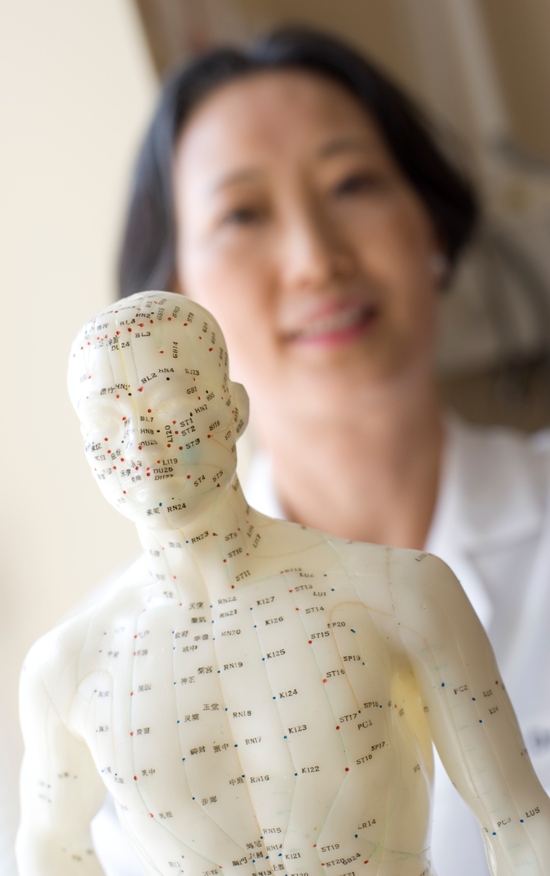
Acupuncture theory believes that this qi moves throughout the body along 12 main channels known as meridians. These meridians represent the major organs and functions of the body. These meridians however do not follow the exact pathways of nerves or blood flow.
Acupuncture aims to correct imbalances of the qi and restore health through stimulation. The needles are inserted through the skin at points along the meridians of the body.
Scientists have long explored the cause behind efficacy of acupuncture. Some researchers suggest that pain relief from acupuncture occurs when acupuncture needles stimulate nerves. In addition acupuncture may also release pain-relieving chemicals, such as endorphins and serotonin to ease symptoms. Acupuncture may also decrease pain-causing inflammation by stimulating the pituitary gland to release cortisol.
Procedure of acupuncture
Acupuncture involves insertion of dry needles into the skin at specific locations called acupuncture points. Acupuncture is performed by certified practitioners and physicians to treat certain medical disorders.
There are up to 400 different acupuncture points which are specific for different diseases and disorders. Acupuncture has been seen to be effective in over 40 diseases and disorders.
Further Reading
Last Updated: Jul 1, 2023
 Electroacupuncture relieves pain-induced anxiety through prefrontal neural circuits