Ross River fever, which is also known as Ross River virus disease, is an infectious disease caused by the Ross River virus that is spread by mosquitoes.
Affected patients typically experience symptoms similar to that of influenza, with fatigue and muscle aches. Ross River fever is endemic in Australia, Papua New Guinea, Fiji, Samoa, Cook Islands, New Caledonia, and other South Pacific islands.
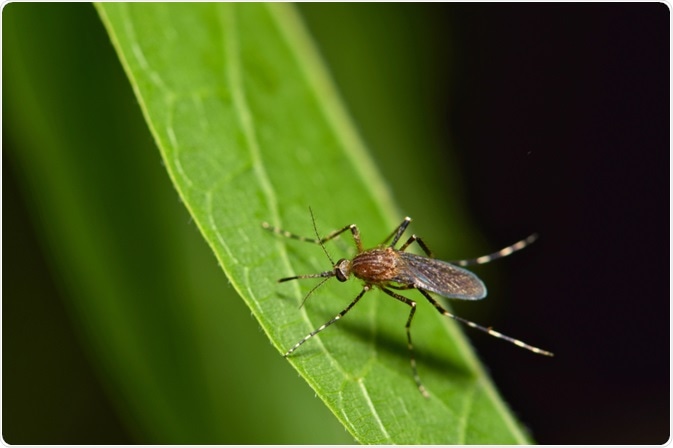
Image Credit: Brett Hondow / Shutterstock.com
Symptoms
The symptoms of Ross River fever may include:
- Pain
- Fatigue
- Muscle aches
- Joint inflammation
- Skin rash
- Lymph node enlargement
- Pins and needle in extremities
Polyarthritis and joint inflammation typically affects the wrist, knee, ankle, fingers, or toe joints. The pain and inflammation will vary in intensity and its duration for different patients, lasting for a few days up to a few months.
A skin rash may appear on the trunk or affected limbs of patients. This rash typically appears about ten days after the onset of arthritic symptoms and may continue for a week or more. Despite the name, a fever is not usually a prominent symptom of Ross River fever.
The prognosis of Ross River fever is positive, with almost all affected individuals expected to make a full recovery. However, this can take some time and some patients might still experience transient symptoms for a year or more after the initial infection.
Causes
Ross River virus is an alphavirus that can be spread to humans by mosquito bites.

Image Credit: Kateryna Kon / Shutterstock.com
Researchers suspect that the virus originated from kangaroos, marsupials, and other wild rodents. Mosquitoes then become infected by biting an animal with the virus and can pass it to a human with another bite.
The incubation period for this virus can vary from 3 to 21 days. Approximately 30% of patients develop initial symptoms 3 to 11 days after being infected with the virus, whereas the remaining patients will develop symptoms later.
Diagnosis
A patient in an area that is commonly affected by Ross River fever can be diagnosed based on the presenting symptoms.
Blood tests can be used to detect the presence of the virus and its relevant antibodies. The results of these tests can be used to reveal a current infection or if an individual has previously been affected.
Endemic regions
Ross River virus affects populations throughout most regions of Australia and is more prevalent near waterways and coastal regions. This virus is also endemic in Papua New Guinea, Fiji, Samoa, Cook Islands, New Caledonia, and other South Pacific islands.
Climate conditions that include heavy rainfall, flooding, high tides, and high temperatures encourage the breeding of mosquitoes in these areas and can sometimes lead to epidemic outbreaks of the Ross River virus.
Prevention
As Ross River virus is a vector-borne disease that is transmitted by mosquito bites, methods of preventing bites can help to reduce the risk of infection, such as:
- Loose and light-colored clothing
- Insect repellent
- Avoidance of mosquito-prone areas at dusk and dawn
- Fitting of fly screens on windows and doors of houses
- Reduction of breeding areas (stagnant water) for mosquitoes near residential areas
These methods can help to reduce the number of mosquitos in the area and the risk of being bitten by an infected mosquito.
References
Further Reading
Last Updated: Apr 7, 2023