Type 2 diabetes is a common metabolic condition that develops when the body fails to produce enough insulin or when insulin fails to work properly, which is referred to as insulin resistance. Insulin is the hormone that stimulates cells to uptake glucose from the blood to use for energy.
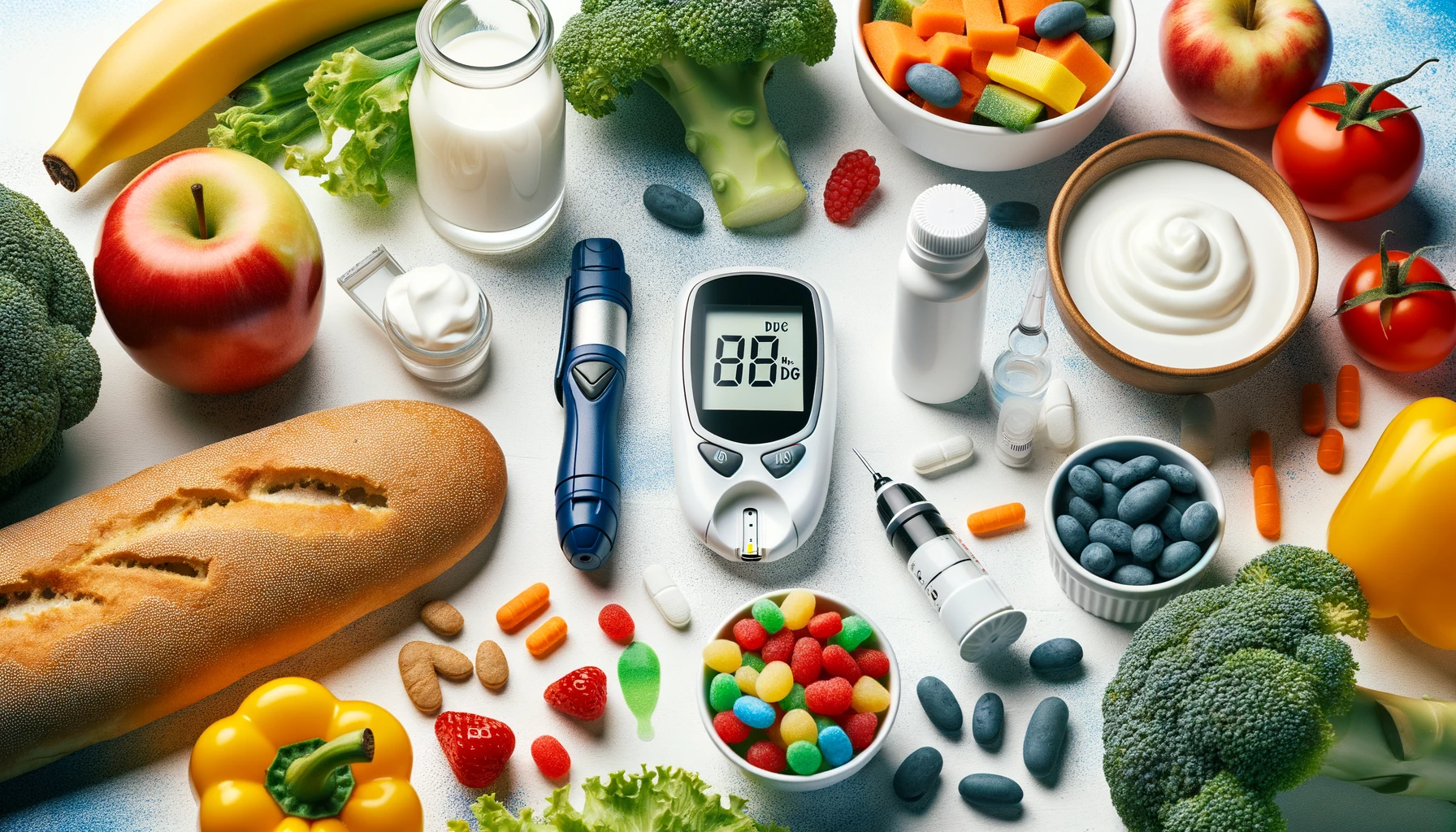 Image Credit: Created with the assistance of DALL·E 3
When this is the case, cells are not instructed by insulin to take up glucose from the blood, meaning the blood sugar level rises (hyperglycemia).
Prevalence and Risk Factors
People usually develop type 2 diabetes after the age of 40 years. However, people of South Asian origin are at an increased risk of the condition and may develop diabetes from age 25 onwards. The condition is also becoming increasingly common among children and adolescents across all populations. Type 2 diabetes often develops due to overweight, obesity, and lack of physical activity, and diabetes prevalence is on the rise worldwide as these problems become more widespread.
Understanding Type 2 Diabetes
Heterogeneity and Genetic Factors
Type 2 diabetes is a heterogeneous disorder characterized by varying degrees of beta cell dysfunction in concert with insulin resistance. The strong association between obesity and type 2 diabetes involves pathways regulated by the central nervous system governing food intake and energy expenditure, integrating inputs from peripheral organs and the environment. Genetic susceptibility and environmental factors, including the availability of nutritious food and other social determinants of health, play significant roles in the development of diabetes and its complications.
Global Impact In 2021, the global prevalence of diabetes mellitus was estimated to be 6.1%, representing 529 million people, with prevalence estimates in certain regions as high as 12.3%. Type 2 diabetes accounts for 96% of cases, and greater than 50% of type 2 diabetes is attributable to obesity. The trajectory of the diabetes pandemic is concerning, with an estimated 1.31 billion individuals projected to have diabetes by 2050.
Types of Diabetes
Also known as juvenile diabetes, type 1 diabetes usually occurs in childhood or adolescence. In type 1 diabetes, the body fails to produce insulin, so patients have to be given the hormone. This is why the condition is also known as insulin-dependent diabetes mellitus (IDDM).
Type 2 diabetes mellitus is also called non-insulin-dependent diabetes mellitus (NIDDM) since it can be treated with lifestyle changes and types of medication other than insulin therapy. Type 2 diabetes is significantly more common than type 1 diabetes.
Symptoms of Type 2 Diabetes
The increased blood glucose level seen in diabetes can eventually damage a person’s blood vessels, nerves, and organs. The body attempts to remove the excess glucose through urination, and the most common symptoms of type 2 diabetes include the following:
- Polydipsia (increased thirst)
- Polyphagia (increased hunger)
- Polyuria (increased frequency of urination), especially during the night
- Extreme fatigue, weight loss, and sudden loss of muscle bulk.
Some of these symptoms are also seen in type 1 diabetes, but type 2 diabetes symptoms tend to develop more gradually and can take months or years to manifest. This can make it more difficult for people to tell they have an underlying health condition, and often, people have had type 2 diabetes for a long time before it is finally diagnosed.
Risk Factors
Several factors can increase a person’s risk of developing diabetes. Examples include:
- Overweight or obesity
- Unhealthy diet
- A waist measurement of 31.5 inches or more among women
- A waist measurement of more than 37 inches among men
- Low levels of physical activity
- Raised cholesterol
- High blood pressure
- South Asian ethnicity
- Smoking
A family history of diabetes also increases a person’s risk of developing the condition. Studies have shown that the offspring of families where one parent has diabetes have a 15% increased risk of developing the condition and that offspring born to two parents with diabetes have a 75% increased risk.
Complications of Type 2 Diabetes
The high blood glucose seen in diabetes can damage blood vessels, nerves, and organs, leading to a number of potential complications. Some examples of the complications caused by diabetes include the following:
Cardiovascular Disease
Persistently high blood glucose levels can lead to atherosclerosis, increasing the risk of heart disease and stroke. This includes narrowing and clogging of blood vessels with fatty plaques, which can disrupt blood flow to the heart and brain.
Nervous System Damage
Excess glucose in the blood can damage small blood vessels in the nerves, causing a tingling sensation or pain in the fingers, toes, and limbs. Nerves outside of the central nervous system may also be damaged, a condition known as peripheral neuropathy. If nerves of the gastrointestinal tract are affected, vomiting, constipation, and diarrhea may occur.
Diabetic Retinopathy
Damage to the retina may occur if tiny vessels in this tissue layer become blocked or leak. The light then fails to pass through the retina properly, which can cause vision loss.
Kidney Disease
Blockage and leakage of vessels in the kidneys can affect kidney function. This usually happens due to high blood pressure, and blood pressure management is an integral part of managing type 2 diabetes.
Foot Ulceration
Nerve damage in the feet can mean minor cuts are not felt or treated, leading to a foot ulcer developing. This happens to around 10% of people with diabetes.
Prevention, Treatment, and Care
Blood sugar should be regularly monitored to detect and treat any problems early. Treatment involves lifestyle changes such as eating a healthy and balanced diet and regular physical exercise. If lifestyle changes alone are not enough to regulate the blood glucose level, anti-diabetic medication in the form of tablets or injections may be prescribed. In some cases, people who have had type 2 diabetes for many years are eventually prescribed insulin injections.
Maintaining a healthy blood glucose level, blood pressure, and cholesterol is essential to preventing the complications of type 2 diabetes. Overweight or obese individuals with diabetes often significantly reduce the extent of their symptoms by making adjustments to their lifestyle.
Recent Therapeutic Advances
Maintaining a healthy blood glucose level, blood pressure, and cholesterol is essential to preventing the complications of type 2 diabetes. Recent advances in therapy include the use of GLP-1 receptor agonists, which have shown positive effects beyond glycemic control, such as weight loss and reduced cardiovascular mortality. These therapies represent a new era in diabetes treatment, impacting both metabolic control and cardiorenal complications.
Gut Microbiota and Type 2 Diabetes
The gut microbiota (GM), comprising trillions of microorganisms in the gastrointestinal tract, plays a crucial role in the development of obesity and related metabolic disorders, such as type 2 diabetes. Studies show that GM dysbiosis is linked to increased energy extraction, altered metabolic pathways, and inflammation, contributing to obesity, metabolic syndrome, and type 2 diabetes. The GM influences nutrient absorption, immune regulation, and energy metabolism.
Impact of Diet and Lifestyle
Dietary habits significantly influence GM composition and microbial metabolites that regulate host metabolism. A Western diet, rich in fat and sugar but low in fiber, is associated with GM dysbiosis. Conversely, adherence to a Mediterranean diet increases short-chain fatty acid (SCFA) levels, promoting metabolic health.
Microbial Diversity and Health
The human GM consists of approximately 100 trillion cells, with the highest diversity found in the colon. A diverse GM is rich in number and variety, playing a key role in maintaining metabolic health. Disruptions to GM diversity due to diet or medication can lead to metabolic diseases.
Emerging Therapies Targeting GM
Potential therapies targeting GM include dietary modification, prebiotics, probiotics, and fecal microbiota transplantation (FMT). These interventions aim to restore a healthy GM composition, improving metabolic health and reducing the risk of type 2 diabetes and obesity.
Sources
- NHS. “What Is Type 2 Diabetes?” NHS, NHS, 18 Aug. 2020, www.nhs.uk/conditions/type-2-diabetes/.
- National Institute for Health and Care Excellence. (2022, June 29). Overview | Type 2 diabetes in adults: management | Guidance | NICE. Nice.org.uk; NICE. https://www.nice.org.uk/guidance/ng28
- http://www.diabetes.ca/files/Prediabetes-Fact-Sheet_CPG08.pdf (no longer active)
- Diabetes UK. “Type 2 Diabetes.” Diabetes UK, Diabetes UK, 18 May 2023, www.diabetes.org.uk/diabetes-the-basics/types-of-diabetes/type-2.
- “Type 2 Diabetes - Symptoms and Causes.” Mayo Clinic, www.mayoclinic.org/diseases-conditions/type-2-diabetes/home/ovc-20169860.
- Sasidharan Pillai, S., Gagnon, C. A., Foster, C., & Ashraf, A. P. Exploring the Gut Microbiota: Key Insights into Its Role in Obesity, Metabolic Syndrome, and Type 2 Diabetes. The Journal of Clinical Endocrinology & Metabolism. DOI:10.1210/clinem/dgae499, academic.oup.com/.../7718329?login=false
- Diabetes mellitus—Progress and opportunities in the evolving epidemic Abel, E. Dale et al. Cell, Volume 187, Issue 15, 3789 - 3820, https://www.cell.com/cell/fulltext/S0092-8674(24)00703-7
Further Reading
Last Updated: Jul 25, 2024
 Gut microbes may reveal why diabetes raises heart disease risk