Von Willebrand disease (vWD) is the most common inherited bleeding disorder and affects approximately 1% of the population.
This disease is due to a deficiency of Von Willebrand factor (vWF), which is responsible for platelet adhesion and is characterized by symptoms of bruising and bleeding from mucous membranes.
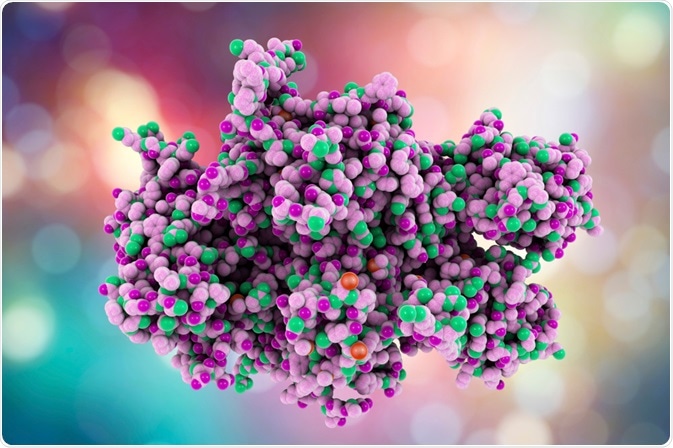
Image Credit: Kateryna Kon / Shutterstock.com
Types
There are four phenotypes of Von Willebrand disease that include:
- Type 1 is the most common type and involves reduced levels of vWF. Type 1 vWD is associated with mild bleeding.
- Type 2 involves vWF with abnormal structure and resulting function. The symptoms of type 2 vWD vary between cases with different bleeding patterns.
- Type 3 is characterized by the absence, or near absence, of vWF. Patients affected by this rare type have symptoms similar to moderate or severe hemophilia.
- Platelet type, also known as pseudotype, involves an abnormality of the platelets, rather than the vWF. In functionality and symptoms, this form of vWD is similar to type 2.
Pathophysiology
vWD is caused by a defect in the gene responsible for vWF production. The genetic fault can be inherited from either parent who carries the gene and may or may not be symptomatic.
While most types of vWD follow an autosomal dominant inheritance pattern, type 3 vWD is inherited in an autosomal recessive pattern, which means both parents need to pass on the defective gene for the child to be affected by this type.
Symptoms
Some people with vWD, particularly those affected by type 1, do not notice any symptoms due to their mild nature. Symptoms of the disease may include:
- Bruising easily
- Bleeding from mucous membranes (e.g. gums, nose, gastrointestinal tract)
- Prolonged bleed following minor cuts
- Post-operative bleeding excess
- Heavier menstruation for women
As these symptoms are usually only present when there is some cut or injury to the body, most people with vWD lead normal lives. For those with more severe symptoms, treatment can help.
What is von Willebrand Disease?
Diagnosis
Many people with vWD will not be diagnosed, as they do not suffer from any notable symptoms. If symptoms are evident and it is possible that deficiency of vWF could be a causative factor, referral to a hematologist is justified.
The patient's family history of vWD should be discussed, as it is a hereditary condition and affected family members can help in making a diagnosis. Confirmation of the diagnosis can be reached with blood tests, which may need to be conducted on several occasions, as the level of vWF can vary over time.
Management
In mild cases of vWD, pharmacological treatment may not be necessary, as small lifestyle changes may be sufficient to avoid situations that can lead to bleeding and/or bruising.
In more severe cases, significant lifestyle changes may be necessary. If bleeding poses a serious risk, contact sports and other situations that may result in injuries and should therefore be avoided.
The first-line treatment of vWD is desmopressin, which is available as a nasal spray or injection. Side effects may include facial flushing, palpitations, hypotension, headache, and fluid retention.
Alternative treatments include tranexamic acid, which is available as an oral dose or as an injection. vWF concentrate, which is purified from donated blood, can also be used in the treatment of vWD. This form of treatment must be administered intravenously to provide an immediate effect.
Some medications, such as non-steroidal anti-inflammatory drugs (NSAIDs) like ibuprofen and aspirin, may worsen symptoms, as they reduce the blood’s ability to clot even further.
Patients with vWD who need surgery or must have dental work done are likely to experience excessive bleeding due to surgical incisions. It is therefore imperative that the treating health professionals are informed of the condition and administer appropriate preventative measures, such as pharmacological treatment, prior to the operation.
References
Further Reading
Last Updated: Mar 17, 2021