Jun 3 2005
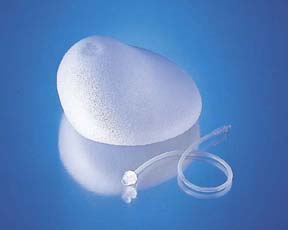 Although apparently uncommon, fungal contamination of saline-filled breast implants is readily preventable, according to a study in the July 1 issue of The Journal of Infectious Diseases, now available online.
The key steps are to use closed systems for filling the devices and to adhere to the strict moisture control and operating room ventilation standards in force at major hospitals. The potential benefits of these precautions could be considerable, since 265,832 women in the United States underwent cosmetic or reconstructive breast surgery in 2000 alone, and most received saline-filled implants. Moreover, increasing numbers of non-surgeons are performing cosmetic breast surgery in outpatient clinics, ambulatory surgery centers, or physician offices, where the risk of complications is especially likely without precautions. This study is a case in point.
The investigators, Marion A. Kainer, MBBS, MPH, and coworkers at the Centers for Disease Control and Prevention studied an outbreak in 2000-2001 that involved five women whose implants were found to contain black sediment during revision surgery for cosmetic breast augmentation; the sediment was subsequently identified as Curvularia, a fungus commonly found in soil. All women had been treated in 2000 at an ambulatory surgical facility, where an initial in-house investigation failed to find a source of contamination.
Dr. Kainer and colleagues conducted an extensive investigation to identify factors contributing to the outbreak. They found that sterile saline used to fill the implants was stored directly under a portion of ceiling sheetrock that had been water-damaged a few years before and was still moist. The investigators isolated Curvularia from an air sample taken from the supply room. They also discovered that air was flowing into the operating room associated with the contamination, rather than out of it as infection control guidelines stipulate. Furthermore, sterile saline was poured into a bowl in the operating room before the patient arrived and left exposed to the air until it was drawn into a syringe and injected into the implants.
The investigators concluded that "ambulatory or outpatient surgical centers need to:
- follow hospital recommendations for regular maintenance of HVAC systems and balancing of airflow in operating rooms;
- follow infection control guidelines; and
- include infection control staff in all stages of planning, construction, or renovation of healthcare facilities and HVAC systems."
They recommended as well that operating rooms be maintained at positive airflow pressure and that surgeons should always use closed systems to fill breast implants.
 New review reveals which baby foods carry the highest heavy metal risks