Acetylation is a chemical reaction that is called ethanoylation in the IUPAC nomenclature. It describes a reaction that introduces an acetyl functional group into a chemical compound. The opposite chemical reaction is called deacetylation – it is the removal of the acetyl group.
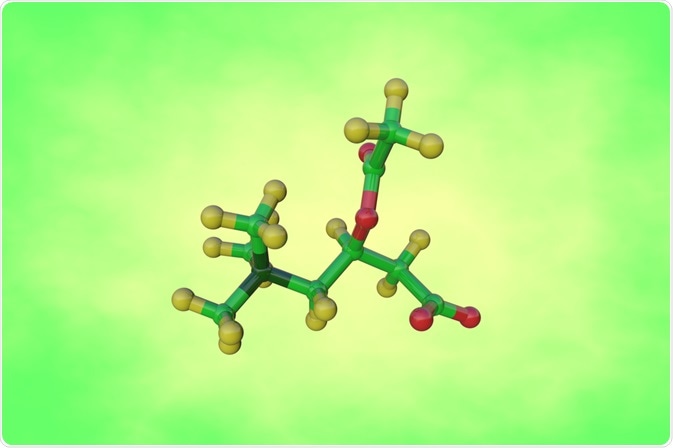 Image Credit: Maryna Olyak / Shutterstock.com
The process of introducing an acetyl group results in an acetoxy group. It involves the substitution of an acetyl group for an active hydrogen atom. A reaction involving the replacement of the hydrogen atom of a hydroxyl group with an acetyl group (CH3 CO) would then yield a specific ester, the acetate.
Which proteins undergo acetylation?
Most of the proteins in the human body undergo acetylation. The process of acetylation is important for several important chemical reactions in the body. This includes:-
- Protein formation
- Drug biotransformation - many drugs are processed in the body through the acetylation reaction, either by biotransformation into an effective compound or to be metabolized into substances that the body can excrete in a more simpler manner
- Regulation of deoxyribonucleic acid (DNA) and other genetic elements using histone acetylation. Proteins that replicate DNA and repair damaged genetic material are created directly by acetylation. Acetylation also helps in DNA transcription. Acetylation determines the energy that proteins use during duplication and this determines the accuracy of copying the genes. The erroneous zones while copying the DNA are removed by proteins and the segments are later attached. Less faulty pieces may be allowed to remain while the more flawed ones are removed. There is a way acetylation is triggered by cellular proteins. When the reaction begins, chemicals are added to the DNA-controlling proteins.
- Reactions triggered by acetyltransferases that can lead to cancer and other diseases
N-alpha-acetyltransferases
N-alpha-acetyltransferases help in mediating acetylation reactions. There are three common varieties of these enzymes. These are labeled A, B, and C and act within the cells to transfer molecules. They also control the proteins that build up the cellular structures.
Further Reading
Last Updated: Feb 23, 2023