Interleukin-6 (IL-6) is an endogenous chemical that is active in inflammation and in B cell maturation.
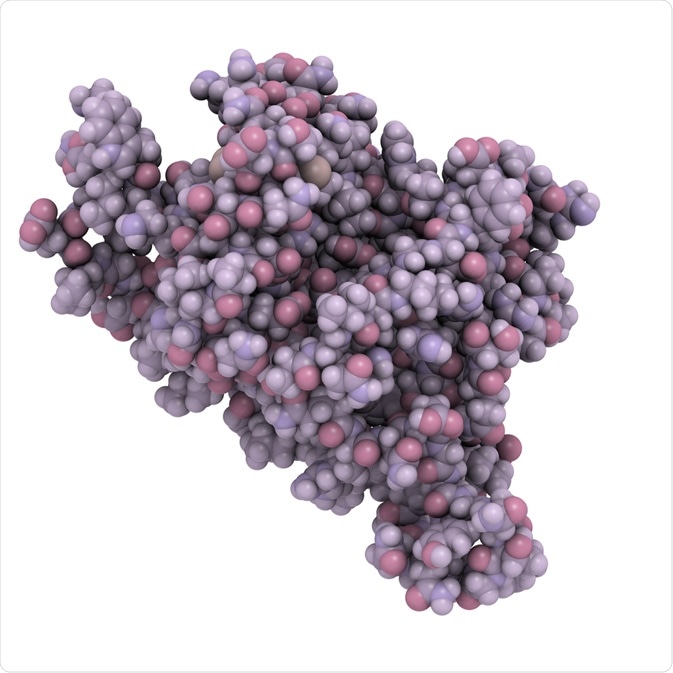
Image Credit: StudioMoleKuul / Shutterstock.com
IL-6 and inflammation
Besides being an immune protein, IL-6 is also a pyrogen and is responsible for fever in autoimmune, infectious, or non-infectious diseases. IL-6 is produced in the body, wherever there is inflammation, either acute or chronic. This includes situations such as trauma, burns, cancers, and infection. This chemical interacts with interleukin-6 receptor alpha, to induce transcription of inflammatory gene products.
IL-6 is implicated in a host of chronic disease conditions associated with inflammation. Interleukin-6 is also suspected to cause increased susceptibility to diabetes mellitus, as well as to the systemic form of juvenile rheumatoid arthritis.
IL-6 is released by monocytes and macrophages in response to other inflammatory cytokines which include IL-11 and tumor necrosis factor (TNF)-beta. The IL-6 receptor is present on normal T-lymphocytes in the resting phase, normally activated B-cells, and cells in the myeloid and hepatic cell lines. IL-6 is also found on B cells modified by the Epstein-Barr virus.
IL-6 produces inflammatory effects by inducing the transcription of factors in multiple pathways of inflammation. These may originate with protein kinase C, cAMP/ protein kinase A, and the release of calcium.
Additional functions of IL-6
IL-6 is a molecule with multiple forms and functions, depending on where it is secreted.
For example, IL-6 is associated with the stimulation of acute phase reactions. These promote the activation of innate immunity, keeping tissue damage at bay. When the liver secretes these acute phase reactants, other proteins like albumin and transferrin are necessarily secreted in lesser quantities.
Two major acute-phase proteins include C-reactive protein (CRP), and serum amyloid A (SAA). While CRP stimulates phagocytosis, IL-6 enhances the production of the clotting factor fibrinogen. The production of these acute-phase reactants causes the onset of fever, high glucocorticoid levels, activation of complement pathways, and of coagulation pathways, with a high ESR, which are other manifestations.
IL-6 also helps T-cells to differentiate early in their development. This chemical is required for progenitor cell development, as well as for T-cell and natural killer (NK) cell activation. In addition, IL-6 helps these cells to achieve pathogen lysis inside the cells.
IL-6 also helps B-cells differentiate, proliferate, and promote the formation of plasma cells from B-cells. In addition, as a growth factor for these cells, IL-6 enhances antibody release in the form of immunoglobulin A (IgA) and IgG.
IL-6 is also vital for the development of blood cells, whether white cells, red cells, or platelets. It appears that IL-6 plays an important role in the development of Kaposi’s sarcoma and multiple myeloma.
IL-6 also leads to the activation of osteoclasts and osteoporosis. Moreover, IL-6 induces the secretion of vascular endothelium growth factor (VEGF), which leads to the increased growth of blood vessels and vascular permeability in inflammation.
Defective IL-6
IL-6 participates in the short-term defense against infection or injury and warns the immune system against the source of inflammation. However, defective regulation of this molecule results in disease.
IL-6 deficiency has profound effects on immune activation and IgA antibodies. On the other hand, IL-6 overexpression has equally important effects.
Acting through different pathways, IL-6 creates an immunological imbalance between Th-17 cells and Treg cells, resulting in autoimmune pathology. Defective IL-6 regulation may also produce lymphoid malignancies, which may be due to a mutation in the IL-6 gene.
IL-6 as a drug target
Tocilizumab, a drug that inhibits the IL-6 receptor, has been studied as a therapeutic helper in a variety of chronic inflammatory disorders, including rheumatoid arthritis, juvenile rheumatoid arthritis, and Castleman’s disease.
IL-6 is also used as a biological response modifier, during which it is used to enhance the patient's response to chemotherapy by stimulating the immune response in cancer.
References
Further Reading
Last Updated: Mar 29, 2021
 Thymulin curbs age-related inflammation and slows breast tumors in mice