There are several precautionary steps that can aid in the prevention of lymphedema or provide relief of symptoms for those with the condition. This is particularly important for population groups that have a notably increased risk of lymphedema, such as those who have undergone treatment for breast cancer.
The appropriate care plan for lymphedema involves a combination of skincare techniques, a healthy diet, regular exercise, and compression bandages or garments.
Skincare
Patients with lymphedema are more susceptible to infection due to the accumulation of lymph fluid in affected areas. This risk is further increased if small injuries to the skin allow for the entry of bacteria that may cause an infection in the body.
As a result, certain steps should be taken for adequate skincare and to reduce the risk of infection. These include:
- Avoiding injections in the affected area
- Timely care of cuts and scratches with antiseptic cream
- Use of insect repellent to prevent insect bites
- Regular moisturizing of the skin
- Avoiding extreme heat from baths, showers, or sunbeds
- Skin protection from ultraviolet (UV) rays with sunscreen
- Appropriate protection for manual tasks, such as gloves while gardening
- Wearing shoes that provide support and fit correctly
- Avoiding tight-fitting clothes and jewelry
Lifestyle
Making healthy lifestyle choices is also important for the prevention and care of lymphedema, as it can help reduce symptoms for individuals currently living with this condition.
Consuming a nutritious diet can help to maintain a healthy weight, which is essential for lymphedema patients, as excess weight increases the risk of suffering from lymphedema. This involves eating balanced meals with fresh ingredients, preferably cooked at home so that there is more control over what ingredients are used. At least five servings of vegetables each day is recommended, and processed food high in salt and sugar should be avoided where possible.
Equally important in the care of lymphedema is that patients participate in adequate levels of physical activity. As the lymphatic system relies on the movement of surrounding muscles to push the lymph fluid around the body, regular exercise helps to prevent the accumulation of fluid and resulting lymphedema. Individuals at risk should be physically active for at least 30 minutes each day, in addition to targeted exercises to promote movement of affected areas.
Compression garments or bandages
Compression bandages are designed to fit around affected body parts that may become swollen due to lymphedema, helping to prevent the build-up of fluid. There are several different types of garments that may be of use including sleeves, gloves, stockings and tights.
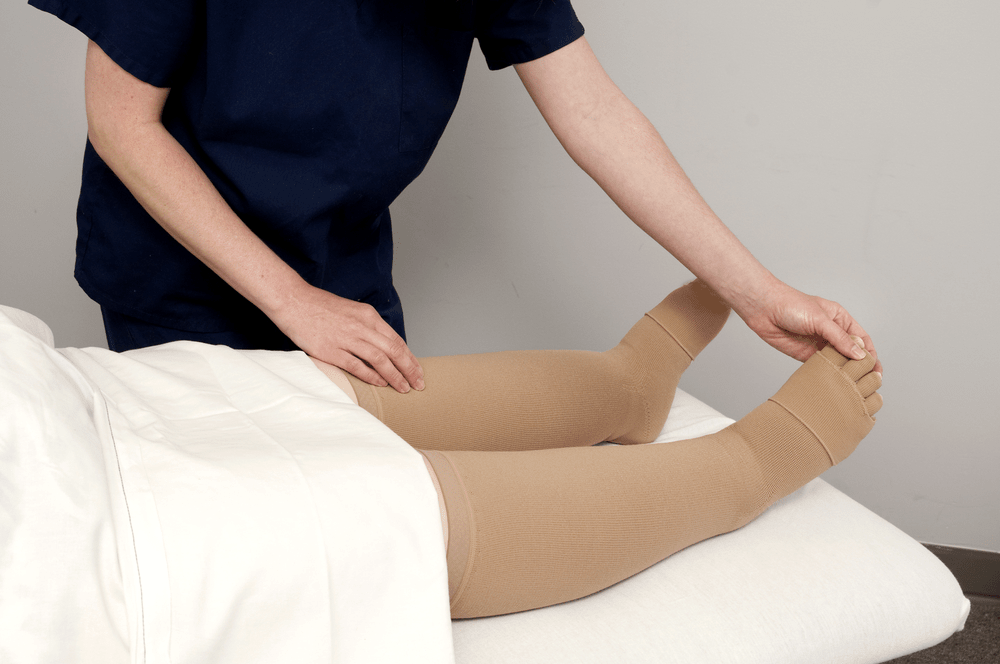
Image Credit: futurewalk / Shutterstock.com
As the garment or bandage supports the muscles in areas prone to the accumulation of fluid, the flow in the lymphatic system is promoted and pushes the fluid away to where it can be drained.
Early sign recognition
In addition to the preventative and management techniques, it is important for individuals at risk of lymphedema to be informed about the condition as well as the early signs of the condition so that they can seek medical treatment when appropriate.
Measuring the limbs that are likely to become swollen is a simple and effective way to monitor swelling associated with lymphedema. A measuring tape may be used to monitor changes in size, or a container of water that shows the volume of water displacement.
If the patient suspects lymphedema, they should seek medical advice as soon as possible to implement treatment and reduce the risk of complications.
References
Further Reading
Last Updated: Mar 6, 2023