Lymphedema is a health condition with a number of distressing symptoms, in addition to several complications that may affect some patients. These include cellulitis, musculoskeletal pain, psychological stress, and an increased risk of malignancy.
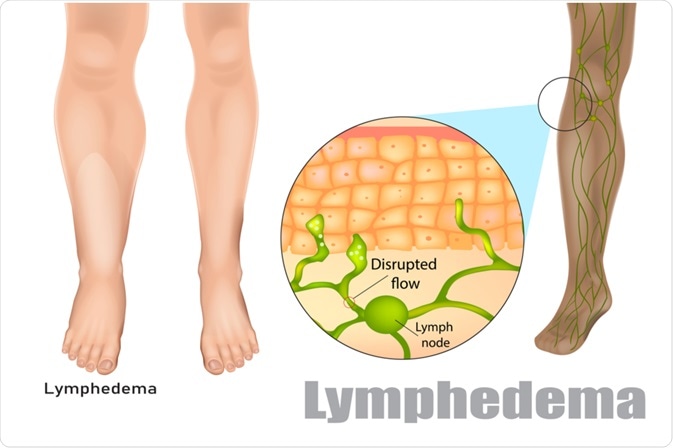
Image Credit: Sakurra / Shutterstock.com
Each of these complications can be managed or prevented with different techniques, as outlined in more detail below.
Cellulitis
Cellulitis is a bacterial infection of the dermis and subcutaneous tissues underneath the skin and is the most common complication associated with lymphedema.
Cellulitis can both cause and result from lymphedema and may cause repeated episodes of discomfort, referred to as erysipelas, in individuals with a health condition.
Signs and symptoms of cellulitis may include:
- Reddening of skin
- Feeling of heat in the skin
- Pain and discomfort in the affected area
- Fever
- Chills
- Vomiting
- Headache
The management of cellulitis usually occurs with oral antibiotics. If this is the first case of cellulitis as a complication of lymphedema, a short course is usually sufficient to clear the infection. For erysipelas or recurrent infections, a long-term course of antibiotics may be prescribed to prevent future cases.
More severe cases of cellulitis may require specialized medical care in a hospital environment to manage the infection and reduce the severity of outcomes.
Musculoskeletal pain
It is common for people with chronic lymphedema to suffer from secondary musculoskeletal problems as a result of the condition, such as back and joint pain. This discomfort can lead to a reduction in the patient’s quality of life.
Often, excess weight is a causative factor for musculoskeletal complications in lymphedema patients. If the patient is overweight or obese, healthy eating and physical activity recommendations should be made to encourage the individual to lose weight and relieve the stress on the bones and joints.
Lymphedema Complications: Be Prepared
Psychological distress
Lymphedema is a chronic condition that has a significant effect on the physical appearance of the individual. This can make an impact on the self-confidence of the individual, affect the relationships they have with others, and lead to periods of depression.
It is important for patients with lymphedema to be aware of these risks and have a strong support network to reach out to when feeling down. It is often reassuring for patients to understand that the symptoms associated with lymphedema are usually short-lived and can be adequately managed with the appropriate treatment techniques.
Some individuals may require pharmacological treatment to help in the management of depression, although it is recommended to seek help with therapy initially.
Malignancy risk
Rare cases have been reported of cutaneous malignancy associated with lymphedema. This is thought to arise as a result of altered immune surveillance in the area affected by lymphedema.
Lymphangiosarcoma is the most common form of cancer linked to the disease but other cases have also been reported including basal cell carcinoma, squamous cell carcinoma, lymphoma, malignancy melanoma, and Kaposi’s sarcoma.
References
Further Reading
Last Updated: Feb 24, 2023