The term neurodegeneration is a combination of two words - "neuro," referring to nerve cells and "degeneration," referring to progressive damage. The term "neurodegeneration" can be applied to several conditions that result in the loss of nerve structure and function.
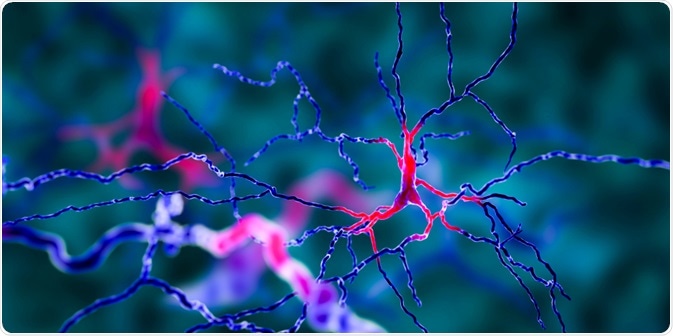 Image Credit: Kateryna Kon / Shutterstock.com
This deterioration gradually causes a loss of cognitive abilities such as memory and decision making. Neurodegeneration is a key aspect of a large number of diseases that come under the umbrella of “neurodegenerative diseases.” Of these hundreds of different disorders, so far attention has been mainly focused on only a handful, with the most notable being Parkinson’s disease, Huntington's disease and Alzheimer’s disease. A large proportion of the less publicized diseases have essentially been ignored.
All of these conditions lead to progressive brain damage and neurodegeneration. Although all three of the diseases manifest with different clinical features, the disease processes at the cellular level appear to be similar.
For example, Parkinson's disease affects the basal ganglia of the brain, depleting it of dopamine. This leads to stiffness, rigidity and tremors in the major muscles of the body, typical features of the disease. In Alzheimer's disease, there are deposits of tiny protein plaques that damage different parts of the brain and lead to progressive loss of memory. Huntington's disease is a progressive genetic disorder that affects major muscles of the body leading to severe motor restriction and eventually death.
Causes of neurodegeneration
Only an extremely small proportion (less than 5%) of neurodegenerative diseases are caused by genetic mutations. The remainder are thought to be caused by the following:
- A build-up of toxic proteins in the brain
- A loss of mitochondrial function that leads to the creation of neurotoxic molecules
Although the cause may vary, experts generally agree that the result is the promotion of apoptosis or programmed cell death, which is deliberate suicide of the cell for the purpose of protecting other nearby neurons from toxic substances.
Neurodegeneration: from molecules to medicines | Professor Giovanna Mallucci
Treatment of neurodegeneration
There are currently no therapies available to cure neurodegeneration. For each of the diseases, medication can only alleviate symptoms and help to improve patients’ quality of life. For example, memantine and donepezil can sometimes slow the progression of dementia symptoms in some people with Alzheimer’s disease and Levodopa can increase the brain’s dopamine level to help relieve some of the main symptoms of Parkinson’s disease.
The incidence of these diseases is on the rise, yet there is a paucity of effective therapies to treat them. Research focuses on the similarities in neurodegeneration that occur in each of these three diseases.
Through identifying these parallels, researchers hope to understand the mechanisms of disease in order to improve their chances of developing new therapies and strategies that may benefit patients suffering from any of the conditions. Aside from this integrated understanding of the neurodegenerative disease process, other core research objectives include the following:
- Improved understanding of the genetics behind neurodegeneration
- Improved understanding of the initial symptoms and signs associated with neurodegeneration
- Improved tests for identifying the conditions so they can be detected before too much neuronal loss has occurred
- The identification of sub-populations that have the best response to certain treatments so that the disease can be stopped as early as possible in responsive patients
References
Further Reading
Last Updated: Aug 12, 2022
 Scientists traced a hidden immune route that may worsen tau-linked brain damage