Ulcerative colitis affects a large population worldwide. Severe conditions may damage the gut walls, leading to several health problems, including bowel obstruction and gut perforation, requiring bowel surgery.
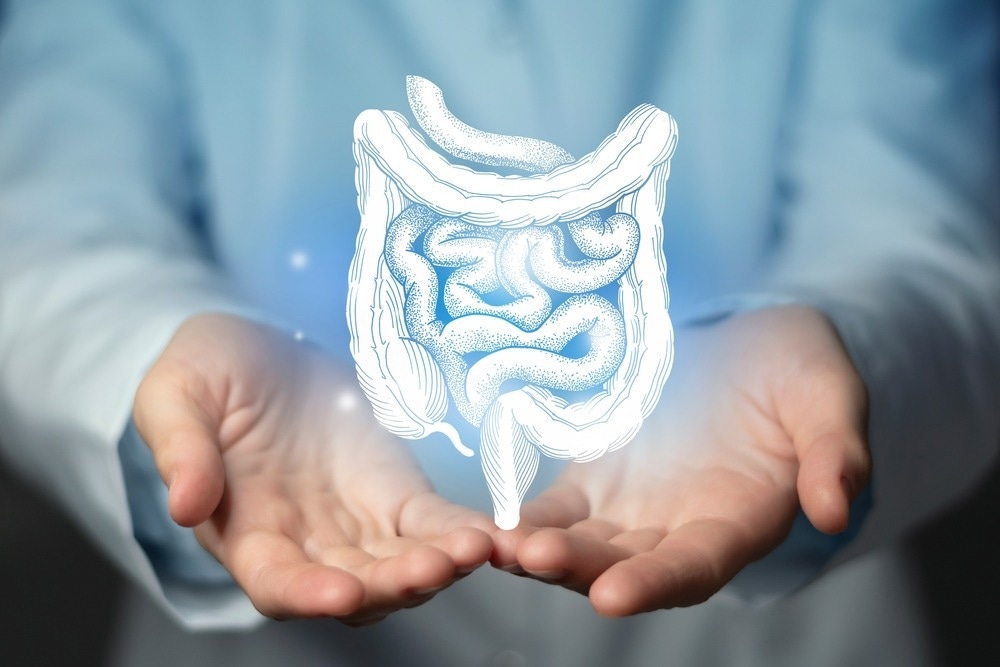
Image Credit: mi_viri/Shutterstock.com
In addition, ulcerative colitis also raises the risk of bowel cancer. Overall, this condition and its symptoms, flare-ups, and possible complications may severely affect the quality of life of the sufferers.
Research in ulcerative colitis
NIDDK, through the Division of Digestive Diseases and Nutrition, undertakes several research projects in inflammatory bowel diseases, including ulcerative colitis. One of the areas of focus is the exact mechanism by which the immune system gets activated and goes into overdrive to affect the friendly bacteria in the gut, followed by its lining, leading to severe damage to the colon walls.
Once the precise molecular mechanisms and signaling pathways underlying the immune system dysregulation are elucidated, it may be feasible to design targeted therapies to reverse the pathological state. These targeted therapies may be more specific and thus may be hoped to be more effective without causing side effects damaging other organs.
Currently, numerous clinical trials are being conducted that are investigating ulcerative colitis. People participating in these new clinical trials help to understand the effectiveness of the new targeted therapies in ulcerative colitis.
A large number of participants, especially of different genetic makeup and racial, ethnic, and geographical variety, can also help predict the differences in responses among populations. (More details on new recruiting clinical trials may be found at http://www.clinicaltrials.gov/).
Complementary and alternative approaches to ulcerative colitis treatment
Many people suffering from inflammatory bowel diseases seek complementary and alternative medicine to relieve their symptoms. These include traditional Chinese or Ayurvedic medicine, acupuncture, reflexology, homeopathy, and aromatherapy.
Few reliable scientific studies have proven the effectiveness of these methods alone in patients with ulcerative colitis.
Some effective methods given alongside traditional medicine, especially in mild to moderate ulcerative colitis, include acupuncture and herbs like Aloe vera, Boswellia serrata, curcumin (turmeric), wheatgrass juice, etc.
Other methods that have shown minor benefits when used alongside traditional allopathic medicines include bovine colostrum enemas, nicotine patches, omega-3 fatty acids (such as fish oil), probiotics, etc. However, these are not recommended by prescribers as their safety and efficacy have not been fully evidenced yet. These have the potential to be toxic and may interact with other drugs.
Fecal Microbiota Transplantation (FMT)
Fecal microbiota transplantation (FMT) is a promising therapeutic approach for treating ulcerative colitis, with the ability to induce remission and restore a healthy gut microbiota. FMT is safe and effective in ulcerative colitis, showing a low risk of serious adverse events. Recent research suggests that FMT may work by transferring specific donor bacteria to ulcerative colitis patients, such as Odoribacter splanchnicus, which can protect against inflammation and promote healing. FMT is a promising new treatment option for ulcerative colitis, but further research is needed to optimize its use and elucidate (if any) long-term effects.
New biomarkers
Biomarkers are endogenous or exogenous biomolecules that can be measured in the blood or stool to indicate the presence or severity of a specific disease. Biomarkers are widely used in diagnosing and monitoring digestive diseases, including ulcerative colitis and Crohn's disease. Researchers have identified different types of biomarkers for ulcerative colitis capable of improving the prognosis and treatment of the disease. Some of these biomolecules include:
- Fecal lactoferrin (FLF) is a protein produced by activated neutrophils (one type of immune white blood cell) in inflammatory diseases that affect the gastrointestinal tract. It is a non-invasive and sensitive biomarker for patients with ulcerative colitis, which can be used to diagnose the disease, monitor disease activity, and predict relapse.
- Fecal calprotectin (FCP) is another protein produced by neutrophils whose levels are increased in the stool of patients with ulcerative colitis. FCP is commonly used in clinical settings to discriminate between inflammatory bowel disease and irritable bowel syndrome. FCP is also a non-invasive and sensitive biomarker for ulcerative colitis, and it can be used to diagnose the disease or predict relapse. It has been shown that FCP levels are associated with how well patients with moderate to severe ulcerative colitis respond to tofacitinib, a medication drug widely used to treat ulcerative colitis; however, FCP concentration alone is not a reliable way to predict how a patient will respond. FCP is a better predictor of relapse in patients with ulcerative colitis than FLF, especially in those using mesalamine as maintenance therapy.
- Serum amyloid A (SAA) is an endogenous biomarker secreted by different cell types, including hepatocytes, macrophages, vascular endothelial cells, and adipocytes, in response to inflammation. SAA can be used to monitor disease activity, being a better marker than the traditionally used C-reactive protein for predicting ulcerative colitis in patients in clinical remission.
- Serum anti-Saccharomyces cerevisiae antibodies (ASCA). Antibodies are proteins that recognize a specific antigen. When an antigen enters the body, the immune system produces antibodies that specifically bind to that antigen. This binding process marks the antigen for destruction by other immune cells. ASCA are antibodies that target a type of yeast. They are a non-invasive biomarker for ulcerative colitis, capable of distinguishing ulcerative colitis and Crohn's disease, another inflammatory bowel disease.
- Serum anti-neutrophil cytoplasmic antibodies (ANCA) target neutrophils and monocytes. They are non-invasive biomarkers to differentiate ulcerative colitis and Crohn's disease.
References
- (No date) NHS Choices. NHS. Available at: https://www.nhs.uk/conditions/ulcerative-colitis/treatment/ (Accessed: 5 October 2023).
- http://digestive.niddk.nih.gov/ddiseases/pubs/colitis/ulcerativecolitis.pdf
- Homepage: Crohn’s & Colitis Foundation (no date) Homepage | Crohn’s & Colitis Foundation. Available at: https://www.crohnscolitisfoundation.org/ (Accessed: 5 October 2023).
- https://www.med.upenn.edu/gastro/documents/ACGguidelinesforulcerativecolitis.pdf
- (2023) The National Association of Catholic Chaplains. Available at: https://www.nacc.org/ (Accessed: 5 October 2023).
- Cui, Bota, et al. "Step-up fecal microbiota transplantation strategy: a pilot study for steroid-dependent ulcerative colitis." Journal of translational medicine 13 (2015): 1-12.
- Lima, Svetlana F., et al. "Transferable immunoglobulin A–Coated Odoribacter splanchnicus in responders to fecal microbiota transplantation for ulcerative colitis limits colonic inflammation." Gastroenterology 162.1 (2022): 166-178.
- Sandborn, William J., et al. "Correlation between concentrations of fecal calprotectin and outcomes of patients with ulcerative colitis in a phase 2 trial." Gastroenterology 150.1 (2016): 96-102.
- Yamamoto, Takayuki, et al. "Fecal calprotectin and lactoferrin as predictors of relapse in patients with quiescent ulcerative colitis during maintenance therapy." International journal of colorectal disease 29 (2014): 485-491.
- Wakai, Masaki, et al. "Serum amyloid A is a better predictive biomarker of mucosal healing than C-reactive protein in ulcerative colitis in clinical remission." BMC gastroenterology 20 (2020): 1-9.
- Omes, Claudia, et al. "Calprotectin as a novel diagnostic approach to screen male infertility risk: A pilot study." Immunobiology 227.6 (2022): 152291.
Further Reading
Last Updated: Jul 10, 2024
 Western diet fuels IBD by derailing the microbiome - can precision nutrition turn the tide?