Sep 6 2005
If mothers of preschoolers perceive their neighborhood as unsafe, their children tend to watch more television, but differ little in amounts of outdoor play or overweight, compared to peers in safer neighborhoods. Drawing from a study of three-year-olds in 20 U.S. cities, researchers reported these findings in the September issue of Pediatrics.
"This is the first study to examine, in a national sample, the relationship between parental perception of neighborhood safety and obesity, physical activity and television viewing in preschool children," said study leader Hillary Burdette, M.D., a pediatrician at The Children's Hospital of Philadelphia. "Because television viewing is associated with aggression and poorer academic performance in school-aged children, and TV-viewing patterns are established early in life, we decided to study such patterns in preschoolers."
The researchers tested the hypothesis that if mothers perceived their neighborhoods as unsafe, they would tend to keep their children indoors, and the children would have less outdoor play time and more television viewing time. They further reasoned that decreased outdoor activity would raise the preschoolers' body mass index (BMI) and prevalence of obesity.
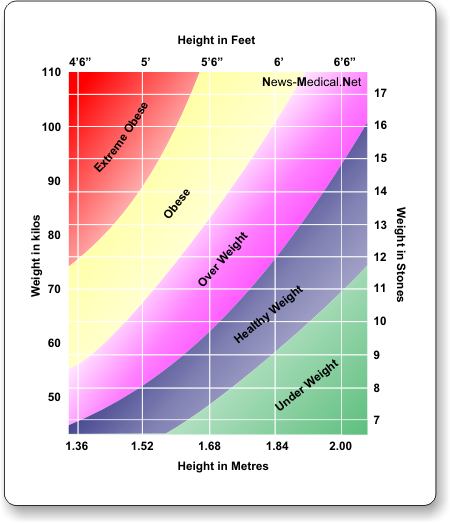
In fact, Dr. Burdette found no significant effect on outdoor play time or obesity in the preschoolers. "Although other studies have found some evidence that TV viewing is associated with higher BMI in children, this may only be true in older children for whom the average daily television viewing time is greater," said Dr. Burdette. "An impact on child BMI may not occur until an energy imbalance is sustained over several years."
The researchers used data from the Fragile Families and Child Wellbeing Study, a birth cohort study of nearly 5,000 children born in 20 large U.S. cities from 1998 to 2000. A follow-up study collected data from approximately 3,330 mothers when their children were three years old. Three-quarters of the parents were unmarried at the child's birth, and 35 percent of the children were from households with incomes below the federal poverty level. Demographically, about half the mothers were black, one quarter were white and one quarter were Hispanic.
Dr. Burdette assessed the mothers' perception of neighborhood safety with a questionnaire that asked the mother how often she saw gang activity, adult loitering, drug dealers, and other signs of potentially unsafe activity.
Almost two-thirds of the children watched more than two hours of television daily, with children in neighborhoods thought unsafe watching approximately 10 percent more TV (about 20 minutes a day) than children in neighborhoods perceived as safer. Obesity prevalence and outdoor play time did not differ significantly between children in safe and unsafe neighborhoods.
Dr. Burdette also mentions that one reason that outdoor play may not have been related to BMI is that outdoor play is not a direct measure of physical activity as some children can be physically active while playing indoors.
The researchers maintain that increasing children's outdoor play time and making neighborhoods safer for children are two objectives that, if achieved, may still have beneficial impacts on children's well-being, even if the two objectives are unrelated and even if neither improves fitness or reduces fatness. In the face of the obesity epidemic, it is intuitive to provide a prescription for parents to turn off the television and encourage their children to play outdoors.
 Obesity drives shared genetic risk behind many chronic disease combinations