The term fibrosis describes the development of fibrous connective tissue as a reparative response to injury or damage. Fibrosis may refer to the connective tissue deposition that occurs as part of normal healing or to the excess tissue deposition that occurs as a pathological process. When fibrosis occurs in response to injury, the term “scarring” is used. Some of the main types of fibrosis that occur in the body are described below.
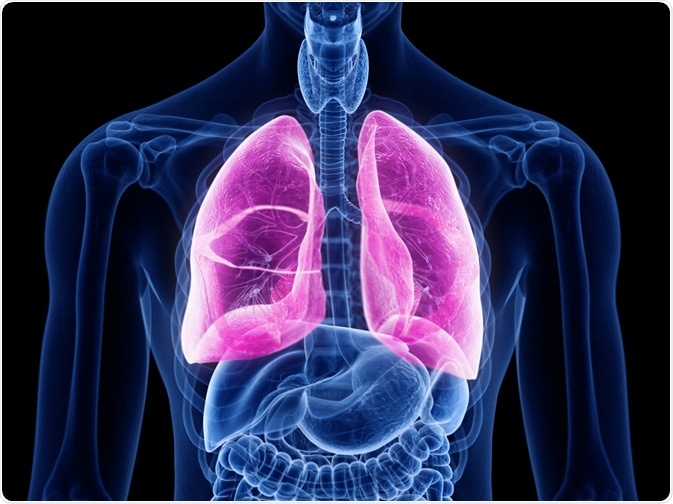 Image Credit: SciePro/Shutterstock.com
Pulmonary fibrosis
Pulmonary fibrosis refers to a number of conditions that cause interstitial lung damage, followed by fibrosis and eventually loss of lung elasticity. These conditions lead to symptoms such as persistent cough, chest pain, difficulty breathing and fatigue. Pulmonary fibrosis may occur as a secondary condition in various other diseases, but in many cases, the underlying cause is not clear and the term idiopathic pulmonary fibrosis is used.
Pulmonary fibrosis can be divided into the following three types:
- Replacement fibrosis – This occurs in response to lung damage caused by infarction or an infection such as pneumonia or tuberculosis.
- Focal fibrosis – This occurs as a response to irritation by substances that are inhaled and then carried to nearby lymph tissue by macrophages. In the lymph tissue, the process of fibrosis begins. Occupational exposure to silica or asbestos is a common example of exposure to substances that can cause this form of pulmonary fibrosis.
- Diffuse parenchymal lung disease (DPLD) – This occurs in cases of fibrosing alveolitis, which manifests in idiopathic pulmonary fibrosis. DPLD also occurs in extrinsic allergic alveolitis, where there is a diffuse inflammation of the lung tissue in response to inhalation of dust antigens such as animal dander.
In many cases, the underlying condition that causes pulmonary fibrosis develops over many years, meaning people often develop the condition later on in life, with the incidence peaking between 50 and 70 years of age. The condition appears to affect males and females equally.
Some of the risk factors for pulmonary fibrosis include:
Many cases of pulmonary fibrosis can be managed with a combination of preventive measures and medications, although some patients may require a lung transplant.
Examples of preventive measures include stopping smoking, avoiding exposure to known irritants, attending any flu jabs and oxygen therapy. Some of the drugs that may be used include immunosuppressive agents such as corticosteroids or antifibrotic agents such as ciclosporin or colchicine. Where patients who do not respond to any of these measures, a physician may discuss the option of a lung transplant.
Liver cirrhosis
Cirrhosis refers to the scar tissue and nodules that replace liver tissue and disrupt liver function. The condition is usually caused by alcoholism, fatty liver disease, hepatitis B or hepatitis C.
The liver is responsible for several essential functions such as detoxifying certain substances in the body, producing essential nutrients and cleaning the blood. Every time the liver undergoes stress or injury, it tries to regenerate and produces scar tissue in the process. As the scar tissue builds up, liver function worsens and when cirrhosis is advanced, the liver no longer works properly. Cirrhosis does not give rise to symptoms until the damage has become extensive, at which point it may cause a wide range of symptoms. Examples include:
- Tendency to bleed or bruise early
- Fatigue
- Jaundice or yellowing of the skin and eyes
- Ascites or fluid build up in the abdomen
- Weight loss
- Itchy skin
- Nausea
- Swelling in the legs
- Disorientation and drowsiness
- Slurred speech
- The development of spider-like vessels underneath the skin surface
If liver cirrhosis is detected and diagnosed during the early stages of the disease, any further damage to the liver may be prevented. Treatment depends on the stage of the disease and the underlying cause of the cirrhosis, but the overall goal is to slow disease progression and relieve symptoms. This might include the following approaches:
- Treating alcohol dependency, often through rehabilitation programs for alcohol addicts
- Weight loss plans for people with cirrhosis caused by non-alcoholic fatty liver disease
- Medication that can help prevent liver damage caused by hepatitis B or C
- Drugs to alleviate symptoms such as pain, tiredness and itching
When liver cirrhosis is advanced, a liver transplant using a donor organ may be the only option for some patients. A patient due to receive a transplant needs to undergo extensive testing to ensure they are healthy enough to undergo the procedure. Patients who have alcohol-related disease will also need to abstain from drinking alcohol for at least six months.
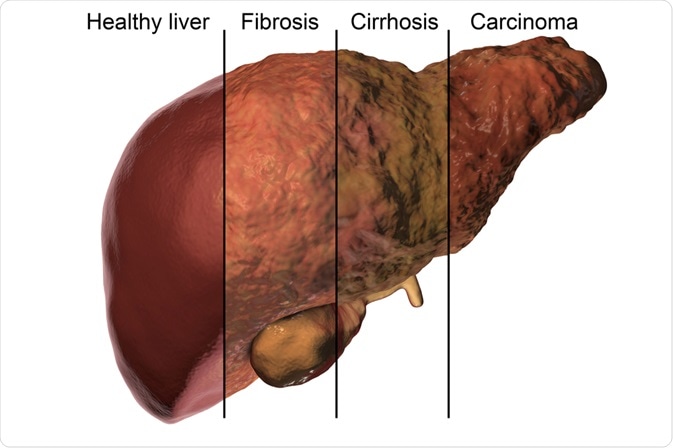 Image Credit: Kateryna Kon/Shutterstock.com
Cardiac fibrosis
Areas of the heart that have become damaged due to myocardial infarction may undergo fibrosis. Cardiac fibrosis can affect the valves in the heart as well as the muscle, which becomes stiff and less compliant. This can increase the risk of heart failure.
Fibrocytes usually secrete collagen and are therefore essential for structural support of the heart. However, when these cells are over-activated, fibrosis and thickening of the tricuspid valve and pulmonary valve can occur. This loss of flexibility in the valves can eventually cause valvular dysfunction and heart failure.
A compound present in red wine called resveratrol has been shown to slow the progression of cardiac fibrosis and other techniques such as microRNA inhibition are currently being studied in animal models of the disease.
References
Further Reading
Last Updated: Feb 24, 2023
 Study tests chronotype’s liver link and finds no significant association