Pancreatitis refers to inflammation of the pancreas, which is the organ responsible for producing digestive enzymes and the hormone insulin, which is required for controlling blood sugar levels. The pancreas is found in the upper portion of the abdomen, behind the stomach.
Pancreatitis can cause severe abdominal pain and compromise the body’s ability to absorb nutrients from food. Other symptoms of this condition can include vomiting, a general feeling of malaise, fever, and a swollen abdomen.
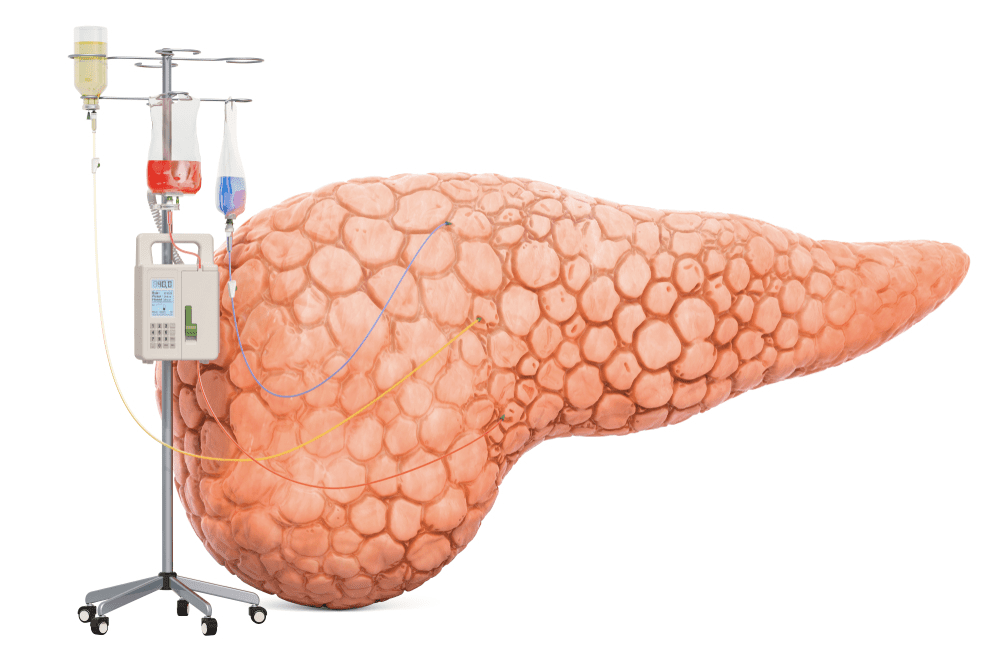
Image Credit: AlexLMX / Shutterstock.com
Acute vs. chronic pancreatitis
There are two forms of pancreatitis, the acute and the chronic form. Alcohol consumption is thought to be the underlying cause of acute pancreatitis in around a third of cases, whereas gallstones account for another third.
About half of those who experience one episode of acute pancreatitis due to alcohol consumption goes on to develop further episodes in the future. Ongoing alcohol consumption is a risk factor for relapse, with the increase in risk being directly proportional to the more alcohol is consumed. Prolonged excess alcohol consumption causes ongoing damage to the pancreas, thus leading to the eventual development of chronic pancreatitis.
In chronic pancreatitis, the organ is persistently inflamed, which leads to permanent pancreatic damage and scarring. This type of damage to the pancreas can reduce the production of both digestive enzymes and insulin, which can lead to malnutrition and diabetes, respectively.
In cases of necrotizing pancreatitis, where the pancreatic tissue starts to die, cyst-like pockets known as pseudocysts, may form. Pseudocysts are prone to infection, rupture, and bleeding. In severe cases, toxins and enzymes leak from the pancreas into other areas of the abdomen, which can lead to vascular damage and internal bleeding.
What is Pancreatitis? | Q&A
Prognosis in acute pancreatitis
Acute pancreatitis usually improves independently of when dietary changes are made. Patient outcomes are often very positive and people usually make a full recovery. Alcohol intake should be eliminated, even in cases where alcohol was not the cause of the condition. Smoking should also be stopped, as it acts as a stressor to the body’s defense mechanisms against inflammation. In cases where gallstones are identified as the cause, the gallbladder is surgically removed to prevent any further episodes.
Ranson’s prognostic signs can be used to predict a patient’s prognosis. Of these, some of the signs that can be identified at the time of hospital admission include the following:
- Age over 55 years
- A plasma glucose level higher than 200 mg/dL
- A serum lactate dehydrogenase (LDH) level higher than 350 IU/L
- An aspartate aminotransferase level higher than 250 UL
- A white blood cell (WBC) count higher than 16,000/μL
Six additional signs can be established within two days of hospital admission to assist in determining a patient's prognosis, of which include:
- A decrease in hematocrit of more than 10%
- An increase in blood urea nitrogen (BUN) of more than 5 mg/dL
- A serum calcium level less than 8 mg/dL
- A partial pressure of oxygen in arterial blood of less than 60 mmHg
- A base deficit of less than 4 mEq/L
- An estimated fluid sequestration of more than 6 L
Mortality due to acute pancreatitis is increased as the number of present prognostic signs increases. The mortality rate is less than 5% among those with less than three signs, whereas it can increase to up to 20% among those with three signs or more.
Prognosis in chronic pancreatitis
In the chronic form of this condition, episodes of pancreatitis tends to become more severe over time. The overall 10-year and 20-year survival rates are estimated to be about 70% and 45%, respectively.
For some people, a diagnosis of chronic pancreatitis can mean a lifetime of pain and gastrointestinal symptoms. Around half of chronic pancreatitis patients suffer from pain that is severe enough to require surgical intervention, which may be used to drain pseudocysts, remove gallstones, place stents in a blocked duct or remove some or all of the pancreas.
Patients with chronic pancreatitis are advised to follow a low-fat diet, refrain from smoking and drinking alcohol and avoid any abdominal trauma. Pancreatic enzyme supplements may be prescribed along with a proton pump inhibitor to prevent their breakdown by acid. Chronic pancreatitis will also require patients to recieve insulin to compensate for that which is lost by the condition.
Patients with chronic pancreatitis are at an increased risk of developing pancreatic cancer and should be fully evaluated if symptoms worsen, particularly if duct stricture develops. Some examples of the tests that may be carried out to confirm a pancreatic cancer diagnosis include analysis of stricture biopsy, as well as an assessment of serum markers CA 19-9 and carcinoembryonic antigen.
References
Further Reading
Last Updated: Mar 18, 2021
 GLP-1 drugs promise wider health benefits, but experts urge caution on use