Recent advances in cell biology have transformed how we model human disease. From patient-derived induced pluripotent stem cells (iPSC) to three-dimensional organoids and precise gene editing using CRISPR/Cas9, researchers now have access to increasingly sophisticated tools that better reflect real human biology.
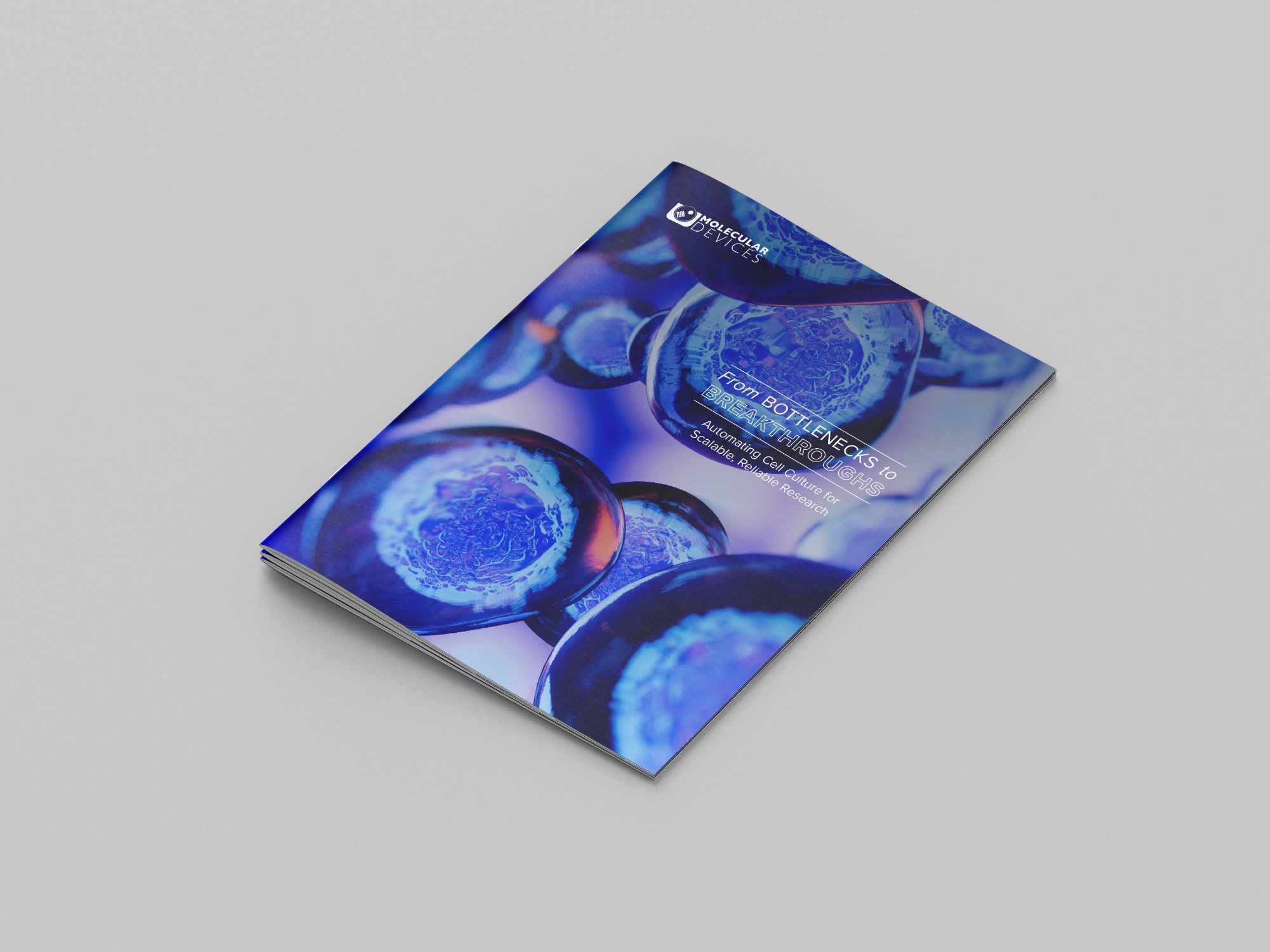
But as these models become more complex, manual workflows quickly become a bottleneck.
While skilled technicians can execute these processes with precision, translating them into high-throughput drug discovery environments presents new challenges. Increased plate volume, greater workflow complexity, and tighter reproducibility requirements demand a more scalable solution.
This is where lab automation becomes essential.
Why automation is becoming critical
Lab automation enables instruments and workflows to operate with minimal human intervention. It allows laboratories to culture more cells, handle more plates, and manage increasingly complex 2D and 3D cell models with greater control.
The benefits extend far beyond convenience:
- Reduced human-induced variability
- Increased productivity and throughput
- Greater experimental consistency
- Improved sample tracking and traceability
- Enhanced data integrity across studies
- Reduced burden on laboratory personnel
Routine tasks such as cell culture maintenance, media exchanges, and plate handling can be automated, freeing scientists to focus on experimental design, data interpretation, and strategic decision-making.
As biological models become more sophisticated, automation is no longer a luxury; it is essential. It is a foundational requirement for scalability.
Bridging the gap between innovation and throughput
The transition from manual workflows to automated systems is not simply about speed. It is about control.
High-throughput drug discovery environments demand:
- Reproducible results across hundreds or thousands of plates
- Consistent environmental conditions for sensitive cell models
- Accurate and reliable sample tracking
- Standardized processes that minimize operator-dependent variation
Without automation, maintaining this level of consistency becomes increasingly difficult.
With automation, labs can scale 2D monolayer cultures and complex 3D organoids alike, while maintaining tighter control over process variables and data quality.
Inside the eBook
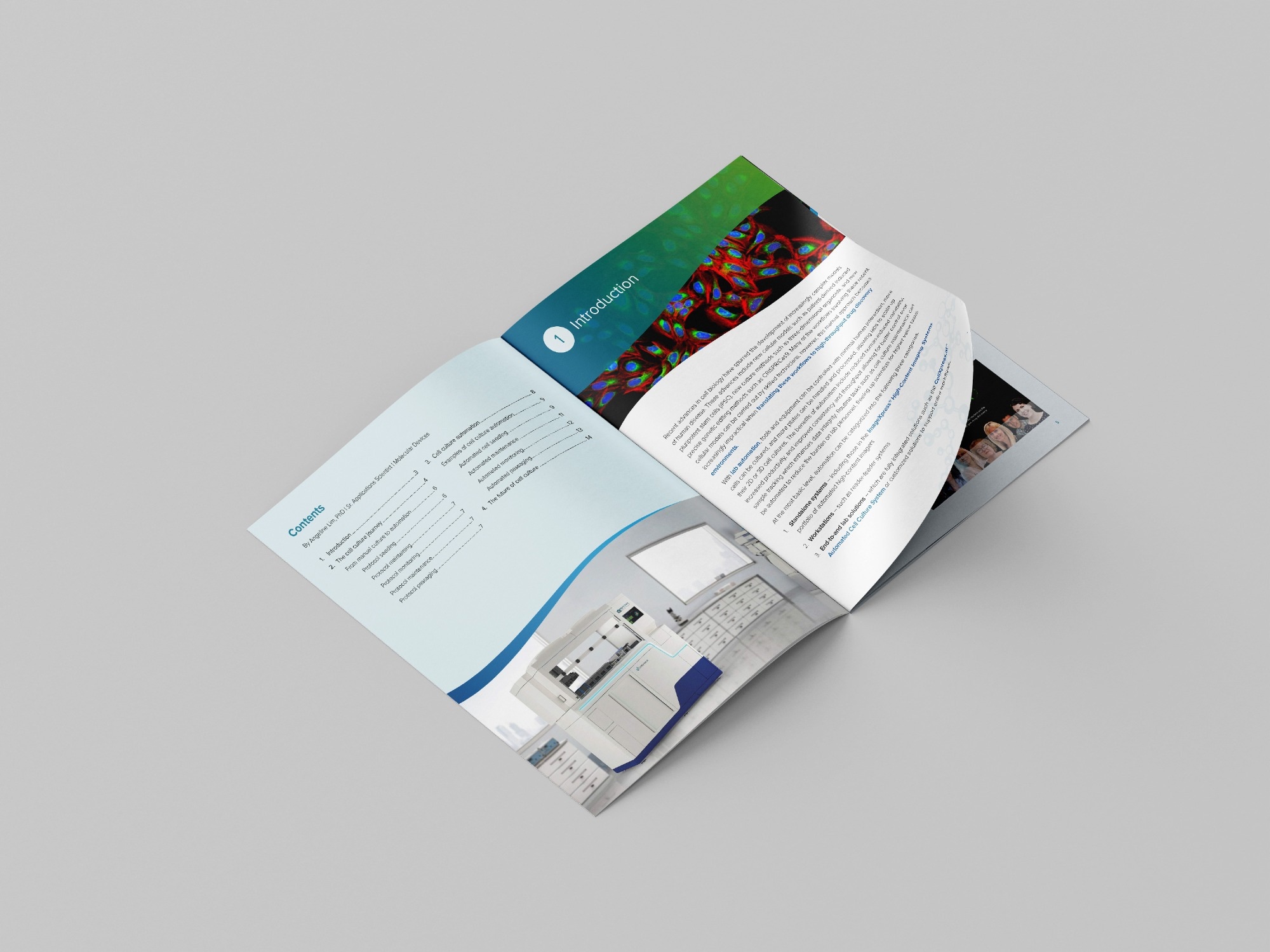
This eBook provides a clear and practical exploration of how automation supports modern cell biology workflows.
You will gain insight into:
- How automation enables the transition from technician-led workflows to scalable systems
- Where variability most commonly arises in manual cell culture processes
- How automated plate handling and environmental control improve repeatability
- Why sample tracking becomes critical as throughput increases
- The three core categories of lab automation and how each supports different levels of scale and complexity
Whether you are optimizing existing workflows or planning a new automation strategy, this guide offers a structured framework to support informed decision-making.
About Molecular Devices UK Ltd
Molecular Devices is one of the world’s leading providers of high-performance bioanalytical measurement systems, software and consumables for life science research, pharmaceutical and biotherapeutic development. Included within a broad product portfolio are platforms for high-throughput screening, genomic and cellular analysis, colony selection and microplate detection. These leading-edge products enable scientists to improve productivity and effectiveness, ultimately accelerating research and the discovery of new therapeutics. Molecular Devices is committed to the continual development of innovative solutions for life science applications. The company is headquartered in Silicon Valley, California, with offices around the globe. For more information, please visit www.moleculardevices.com.
Sponsored Content Policy: News-Medical.net publishes articles and related content that may be derived from sources where we have existing commercial relationships, provided such content adds value to the core editorial ethos of News-Medical.net, which is to educate and inform site visitors interested in medical research, science, medical devices and treatments.