This article is based on a poster originally authored by Min Lu, Jiawen Xu, Chunhong Dai, Lei Wen, and Fang He.
Making early, informed decisions about cardiac safety remains a critical challenge in drug development.
The work described in this article presents a comprehensive in vitro platform that enables mechanistic and functional evaluation of cardiovascular toxicity across key biological processes with varying degrees of translational relevance.
- Cell line models (boxes 1 and 2): Simple, fast, high-throughput
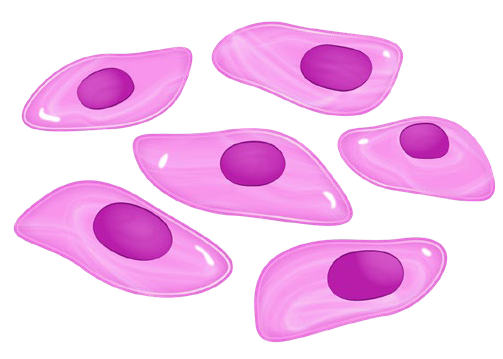
Image Credit: Pharmaron
-
- Methods include patch clamping (box 1), fluorescence experiments, radioligand binding, and trafficking readouts (box 2)
- Identifies ion-channel block and trafficking interference early on
- Useful for identifying mechanistic electrophysiological risks and guiding chemistry
- 2D hiPSC-cardiomyocyte models (box 3): Moderate complexity, scalable, functional
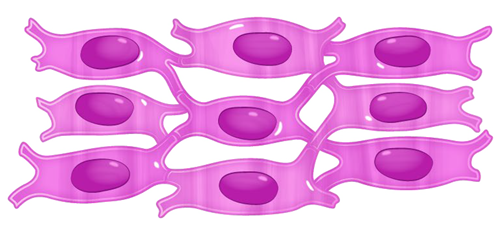
Image Credit: Pharmaron
-
- Measurements include action and field potentials, calcium transients, contractility, and viability
- Suitable for assessing functional cardiac effects, such as repolarization delays and beat instability
- Useful for linking ion-channel effects to whole-cell human physiology
- 3D hiPSC-cardiomyocyte spheroids (box 4): Higher complexity, mid-throughput
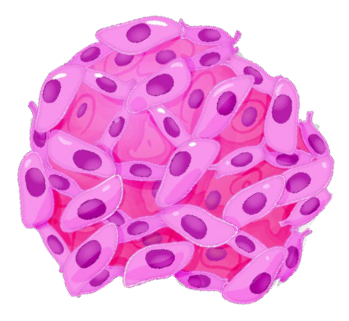
Image Credit: Pharmaron
-
- Assesses field potential, viability, mitochondrial function, and calcium dynamics in 3D tissue architectures
- Suitable for detecting both structural and metabolic cardiotoxicity
- Useful for identifying functional and structural injury mechanisms
- Cardioids (human heart organoids; box 5): Most complex, organ-like, high biological relevance
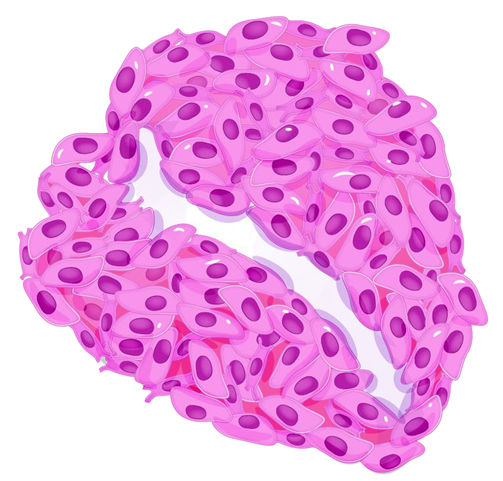
Image Credit: Pharmaron
-
- Self-organized 3D cardiac microtissues exhibit multicellular organization and chamber-like characteristics
- Suitable for research that requires tissue-level background and multicellular interaction
- Useful for identifying complex cardiotoxicity phenotypes
This strategy holds significant promise for reducing late-stage attrition and improving the cardiac safety profile of novel therapeutic medicines.
1. Multi-ion channel profile
Source: Pharmaron
| |
ICH guideline |
NMPA guideline |
Pharmaron |
| Ikr (hERG) |
+ |
+ |
+ |
| INa,Late (Nav1.5 late) |
+ |
+ |
+ |
| INa,peak (Nav1.5 peak) |
+ |
+ |
+ |
| ICa,L (L-type; Cav1.2) |
+ |
+ |
+ |
| Ito (Kv4.3) |
|
+ |
+ |
| Iks (KCNQ1+KCNE1) |
|
+ |
+ |
| IK1 (Kir2.1) |
|
+ |
+ |
| IKur (Kv1.5) |
|
+ |
+ |
2. Trafficking-dependent cardiotoxicity
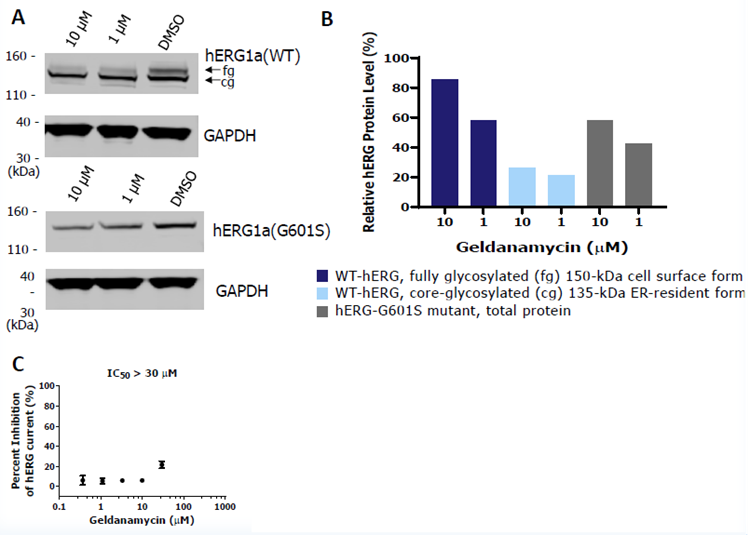
Image Credit: Pharmaron
Geldanamycin, an HSP90 inhibitor, had no acute effect on hERG current amplitude (C), but it affected hERG channel trafficking (A/B), preventing functional channels from being expressed at the surface after 24 hours of treatment.
3. Integrated cardiac function in 2D hiPSC-cardiomyocyte models
- Electrophysiological recording by manual patch clamp
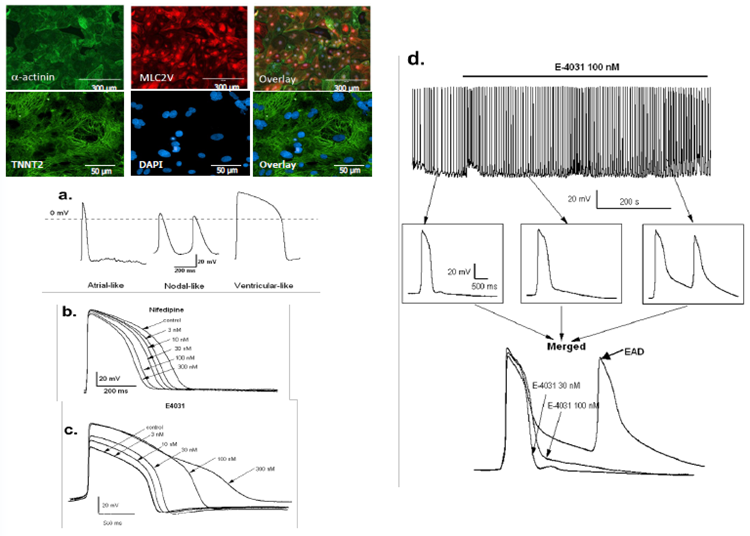
Image Credit: Pharmaron
Human iPSC-derived cardiomyocytes showed different action potential morphologies for atrial-like, nodal-like, and ventricular-like subtypes (a). Nifedipine reduced action potential duration (APD) in a concentration-dependent manner, whereas E-4031 extended APD and caused early afterdepolarization (EAD) events at 100 nM (b-e).
- Contractility assessment using FLEXcyte
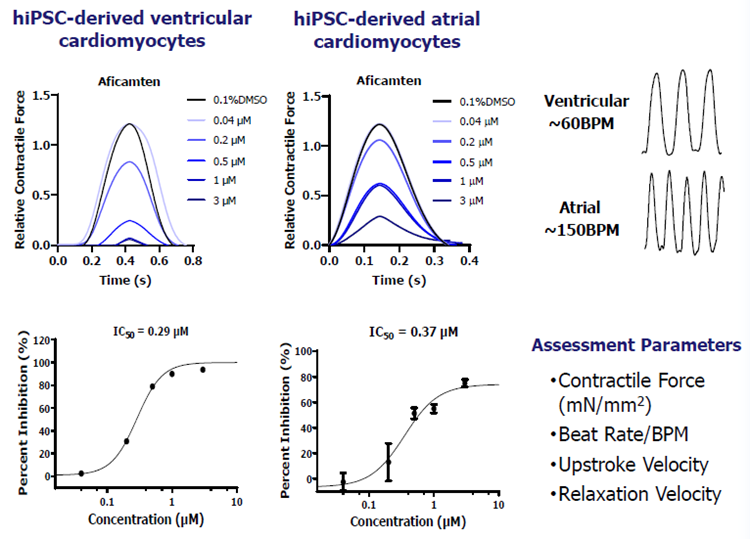
Image Credit: Pharmaron
Aficamten, a specific cardiac myosin inhibitor, reduced contractile force in human iPSC-derived ventricular and atrial cardiomyocytes.
- Field potential recording using a multi-electrode array (MEA)
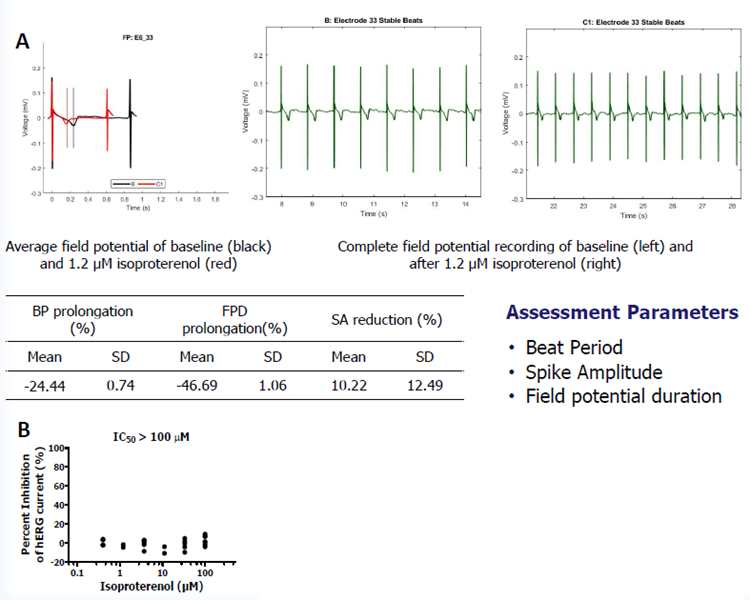
Image Credit: Pharmaron
Isoproterenol, a non-selective β-adrenergic receptor agonist, reduces beat period and field potential duration (A) without affecting the hERG potassium channel (B).
- Calcium transient assay using FLIPR
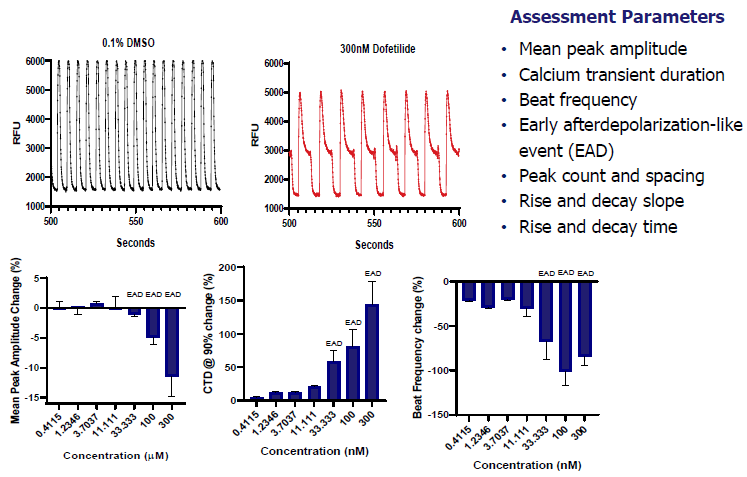
Image Credit: Pharmaron
Dofetilide, a hERG blocker, prolongs calcium transient duration in a dose-dependent manner. Early afterdepolarization (EAD) events, which are indicative of proarrhythmic risk, appeared at higher concentrations.
4. 3D hiPSC-derived cardiomyocyte spheroid model for structural cardiotoxicity evaluation
Generation of hiPSC-derived cardiomyocyte spheroids
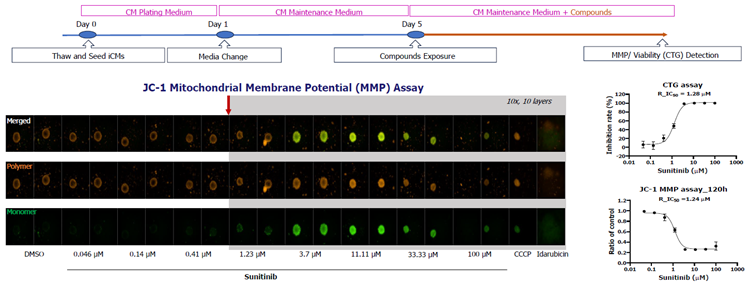
Image Credit: Pharmaron
Sunitinib demonstrated clear dose-dependent mitochondrial dysfunction and cytotoxicity in 3D human cardiomyocyte spheroids.
5. Integrated cardiac function in a 3D hiPSC-derived human cardioids model
Generation of functional hPSC-derived human cardioids
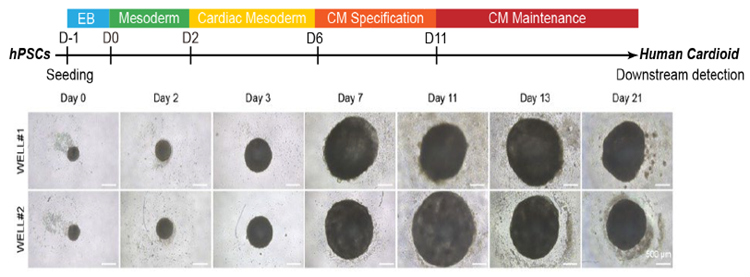
Image Credit: Pharmaron
Field potential assessment in human cardioids using MEA assay
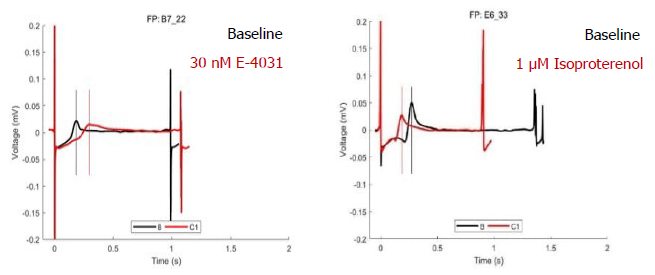
Image Credit: Pharmaron
Characterization of hPSC-derived human cardioids by immunofluorescence staining
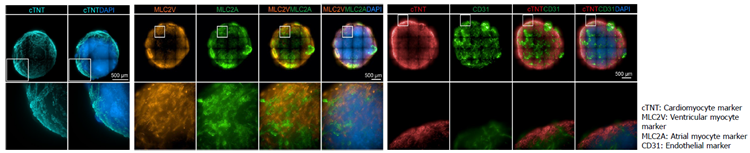
Image Credit: Pharmaron
Calcium transient assay in human cardioids
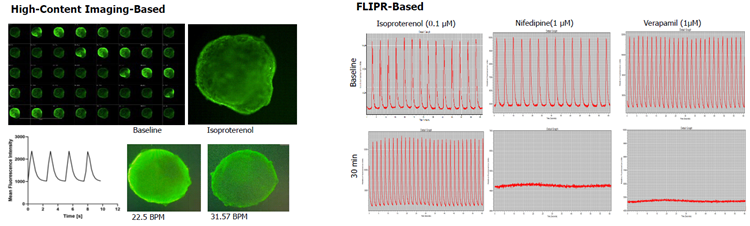
Image Credit: Pharmaron
The researchers demonstrate that hPSC-derived human cardioids mimic important morphological, electrophysiological, and pharmacological features found in human heart tissue. They present a predictive 3D model for detecting compound-induced cardiovascular toxicity, bridging the gap between traditional 2D assays and in vivo research.
Acknowledgments
Produced using materials originally authored by Min Lu, Jiawen Xu, Chunhong Dai, Lei Wen, and Fang He from Pharmaron Beijing Co., Ltd.
About Pharmaron
Pharmaron is a premier R&D service provider for the life sciences industry. Founded in 2004, Pharmaron has invested in its people and facilities, and established a broad spectrum of research, development and manufacturing service capabilities throughout the entire drug discovery, preclinical and clinical development process across multiple therapeutic modalities, including small molecules, biologics and CGT products. With over 17,000 employees and operations in China, the U.S., and the U.K., Pharmaron has an excellent track record in the delivery of R&D solutions to its partners in North America, Europe, Japan and China.
Sponsored Content Policy: News-Medical.net publishes articles and related content that may be derived from sources where we have existing commercial relationships, provided such content adds value to the core editorial ethos of News-Medical.net, which is to educate and inform site visitors interested in medical research, science, medical devices and treatments.
Last Updated: Nov 18, 2026