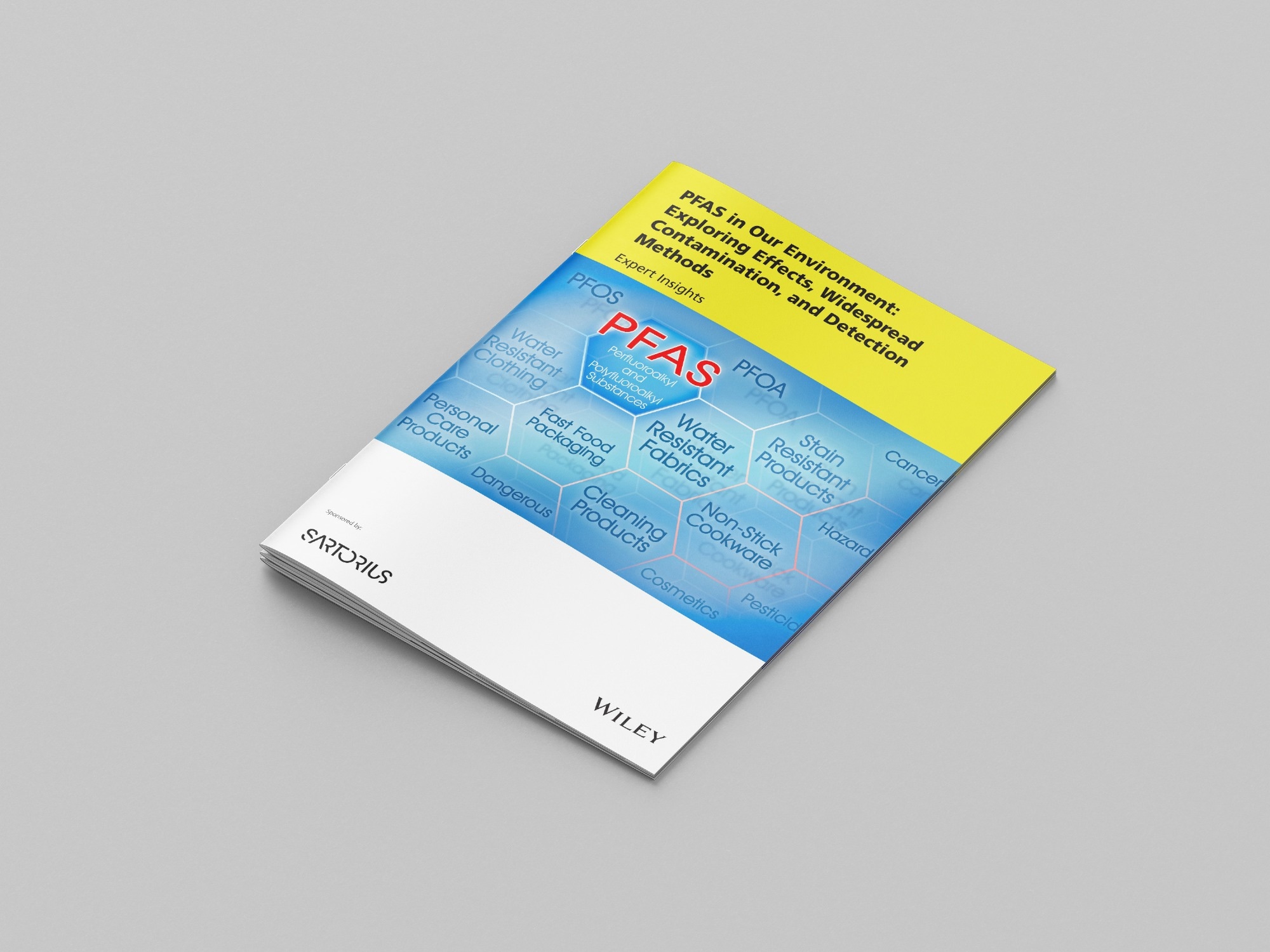
This eBook features expert analysis that goes deep into the diverse realm of per- and polyfluoroalkyl substances (PFAS): a class of man-made chemicals used extensively in industrial and manufacturing processes for almost a century.
PFAS are highly resistant to degradation, which has contributed to their widespread presence in the environment and increased human exposure.
The consequences of such exposure have been documented as extensive, including severely impacting fertility, developmental anomalies, and cholesterol levels, as well as impeding immune function and leading to an increased risk of certain cancers.
Beyond their toxicological effects, PFAS are a growing global concern, as regulatory agencies and researchers strive to develop effective methods for detection and mitigation to better understand the full extent of their impact.
This eBook examines PFAS contamination in air, soil, and water, highlighting the complex environmental challenges associated with these persistent chemicals.
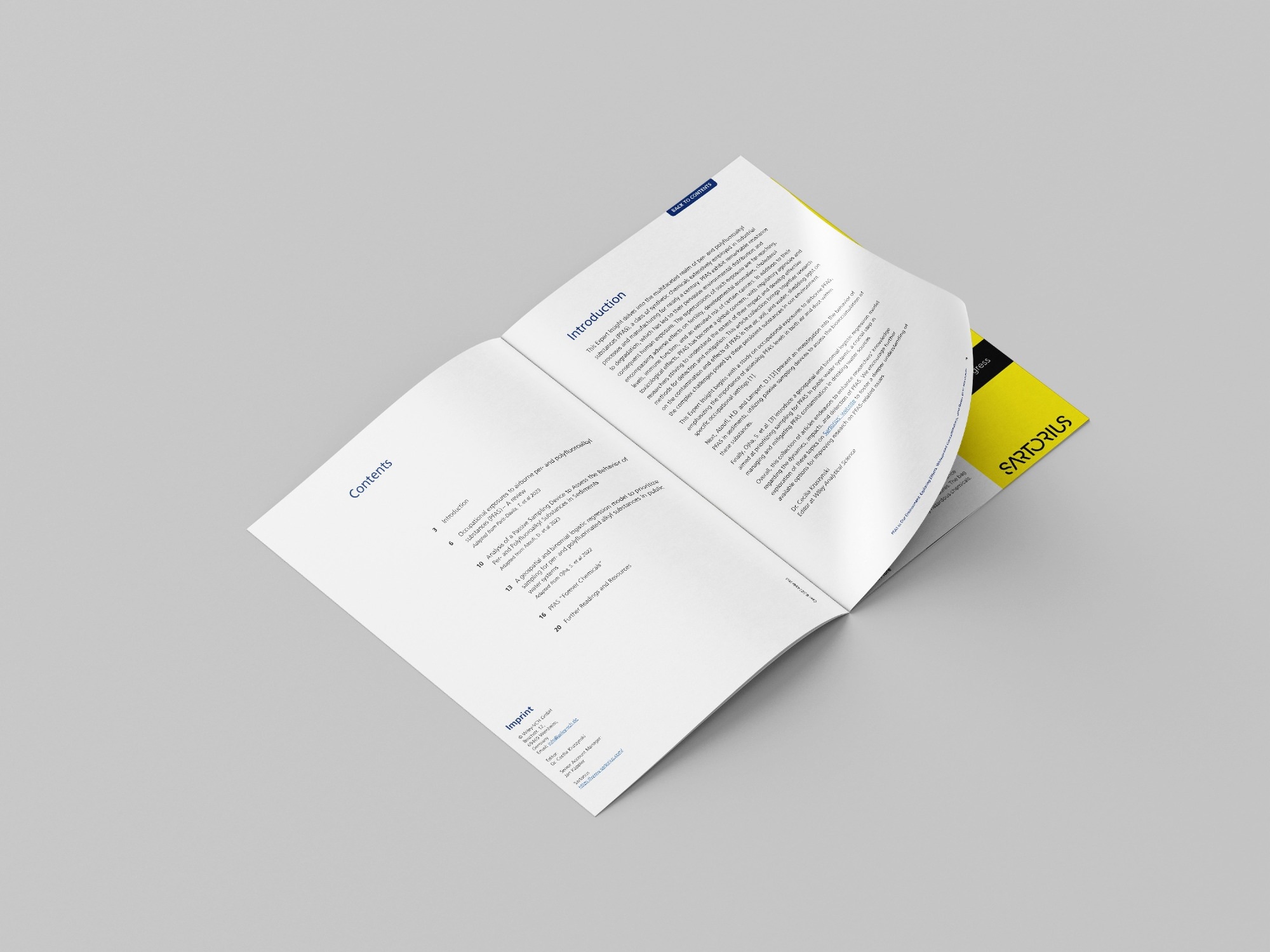
The expert insights begin with an investigation into the risks associated with occupational exposures to airborne PFAS, highlighting the vital need to detect and analyze PFAS levels in both air and dust within certain occupational settings.1
Next, Atoufi, H.D. and Lampert, D.J. investigate the behavior of PFAS in sediments, using passive sampling devices to evaluate the bioaccumulation of these substances.2
Finally, Ojha, S. et al. present a geospatial and binomial logistic regression model intended to prioritize PFAS sampling in public water systems, a key step in monitoring and mitigating PFAS contamination in drinking water sources.3
Together, these articles aim to expand our understanding of PFAS behavior, impacts, and detection. Readers are encouraged to explore these topics further on Sartorius’ website to learn more about available tools and approaches for advancing PFAS-related research.
References and further reading
- Paris‐Davila, T., et al. (2023). Occupational exposures to airborne per‐ and polyfluoroalkyl substances (PFAS) - A review. American Journal of Industrial Medicine. DOI: 10.1002/ajim.23461. https://onlinelibrary.wiley.com/doi/10.1002/ajim.23461.
- Atoufi, H.D. and Lampert, D.J. (2023). Analysis of a Passive Sampling Device to Assess the Behavior of Per‐ and Polyfluoroalkyl Substances in Sediments. Environmental toxicology and chemistry, 42(10), pp.2171–2183. DOI: 10.1002/etc.5705. https://academic.oup.com/etc/article/42/10/2171/7729664.
- Ojha, S., et al. (2022). A geospatial and binomial logistic regression model to prioritize sampling for per‐ and polyfluorinated alkyl substances in public water systems. Integrated Environmental Assessment and Management, 19(1), pp.163–174. DOI: 10.1002/ieam.4614. https://onlinelibrary.wiley.com/doi/abs/10.1002/ieam.4614.
About Sartorius Lab Instruments GmbH & Co. KG
The Sartorius Group is a leading international partner of life science research and the biopharmaceutical industry.
With innovative laboratory instruments and consumables, the Group’s Lab Products & Services Division concentrates on serving the needs of laboratories performing research and quality control at pharma and biopharma companies and those of academic research institutes.
The Bioprocess Solutions Division with its broad product portfolio focusing on single-use solutions helps customers to manufacture biotech medications and vaccines safely and efficiently. The Group has been annually growing by double digits on average and has been regularly expanding its portfolio by acquisitions of complementary technologies.
In fiscal 2021, the company earned sales revenue of some 3.45 billion euros. At the end of 2021, nearly 14,000 people were employed at the Group’s approximately 60 manufacturing and sales sites, serving customers around the globe.
Sponsored Content Policy: News-Medical.net publishes articles and related content that may be derived from sources where we have existing commercial relationships, provided such content adds value to the core editorial ethos of News-Medical.net, which is to educate and inform site visitors interested in medical research, science, medical devices and treatments.