Despite being the targets of around 60% of all approved drugs, membrane proteins remain among the most challenging proteins to analyze. Andreas Kronberg discusses how a new automated, detergent-free workflow for membrane protein purification transforms the process into a rapid, easy and reproducible routine. The workflow preserves native protein structure and can be completed in less than three hours in standard laboratories.
To get started, what functions do membrane proteins perform, and why are they such important drug targets?
Membrane proteins are the gatekeepers of human biology. Firmly embedded within the bilayer of lipids in human cells, they detect external signals such as hormones, nutrients, or signaling molecules and translate them into cellular responses. In this way, they control how cells communicate with their environment, regulate which molecules enter or leave the cell, and orchestrate critical signaling pathways involved in metabolism, immune processes, and growth.
Their importance is reflected in drug development: despite representing only around 30% of human proteins, membrane proteins are targeted by approximately 60% of all approved drugs. From cancer immunotherapies to the latest GLP-1 treatments for obesity and diabetes, many of today's most successful medicines work by modulating membrane proteins.
What role do membrane proteins play across different therapeutic areas?
Membrane proteins form a direct link between fundamental biological mechanisms and the development of medicines and are relevant across nearly all therapeutic areas. They are targeted by classical small molecules, biologics, and new emerging therapeutic modalities.
The main protein classes include receptors, ion channels, transporters and membrane-bound enzymes.G-protein-coupled receptors (GPCRs) are the largest and most versatile class of targets, primarily due to their cell-surface accessibility. Many established therapies act on these receptors, including treatments for metabolic disorders, cardiovascular diseases, pain, and inflammation
Transporters, for example, play a role in antidepressant therapies and innovative cancer treatments, such as CAR-T cell therapies, target enzymes, cell receptors, or markers. Overall, around 60% of all approved drugs act on membrane proteins.
Despite their immense pharmacological significance, membrane proteins are considered very difficult targets. Why is this the case?
Membrane proteins are among the most important drug targets in modern medicine, yet they remain among the most technically challenging proteins to analyze. Around
30 % of all protein types in the human body are membrane proteins, but fewer than 10% have been characterized.
This remarkable gap is largely due to their dependence on the native lipid environment. Once removed from the lipid bilayer of the cell, they often lose their structure and become unstable or inactive. As amphipathic proteins, they cannot simply be extracted in aqueous systems and rather require detergents or lipid mimetics, processes that are time-consuming, labor-intensive, and often compromise stability.
Furthermore, membrane proteins are often available only in small quantities, and determining their structure can be challenging. Many, such as ion channels and transporters, are highly dynamic and adopt multiple conformational states, making it difficult to define a clear target structure.
Structure and stability appear to be key challenges. How can the loss of protein structure during purification affect downstream results?
Stability, structural integrity and functionality are essential for all downstream applications: membrane proteins with altered structures may be unsuitable for further analysis, rendering the entire extraction process ineffective.
Even more challenging are cases in which the extracted proteins appear intact yet are structurally altered. In such situations, drug candidates may be optimized against incorrect target conformations, with errors often only becoming apparent in later stages of development. This can lead to significant delays and substantial financial losses.
Analytik Jena is collaborating with Cube Biotech on a new workflow to simplify membrane protein purification. What makes this process fundamentally different?
This new workflow addresses two of the most critical bottlenecks in membrane protein research: the loss of native protein structure and the complexity of purification.
Membrane proteins can now be isolated in their native 3D structure in less than three hours, whereas traditional extraction workflows could take days or even weeks. These workflows frequently rely on special facilities such as cool rooms, extensive manual handling, and expert knowledge, and resulting in highly variable outcomes.
Our new approach enables fully automated, detergent-free processing. It combines automatic liquid handling with the CyBio FeliX platform and Cube Biotech's advanced, polymer-based purification technology PlateXTM. The process is straightforward, reproducible, and suitable for standard laboratories. Users only load samples and reagents, while the system handles the remaining steps, delivering consistent results and significantly higher yields.
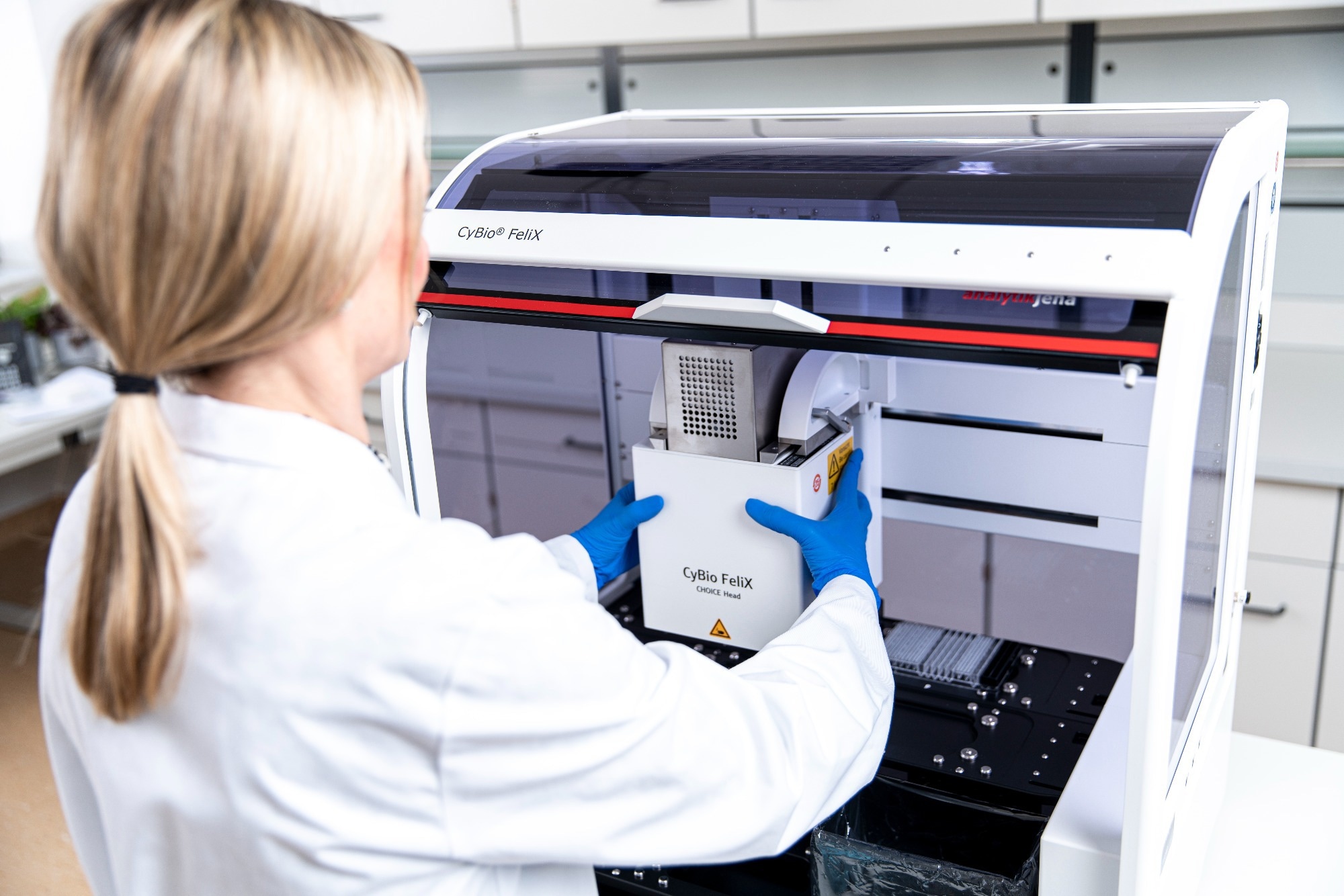
Image Credit: Analytik Jena GmbH
How does Cube Biotech’s new biochemical assay help maintain the native structure of membrane proteins?
The method is based on a detergent-free extraction strategy that replaces conventional detergents with copolymers. While detergents can disrupt membrane structure and remove essential lipids, these copolymers gently solubilize membrane proteins together with portions of their surrounding lipid bilayer.
This allows the proteins to remain embedded in nanodisc-like structures that preserve their native lipid environment. This is critical for maintaining correct folding, structural integrity, and biological function, allowing proteins to remain much closer to their natural state than with traditional purification approaches.
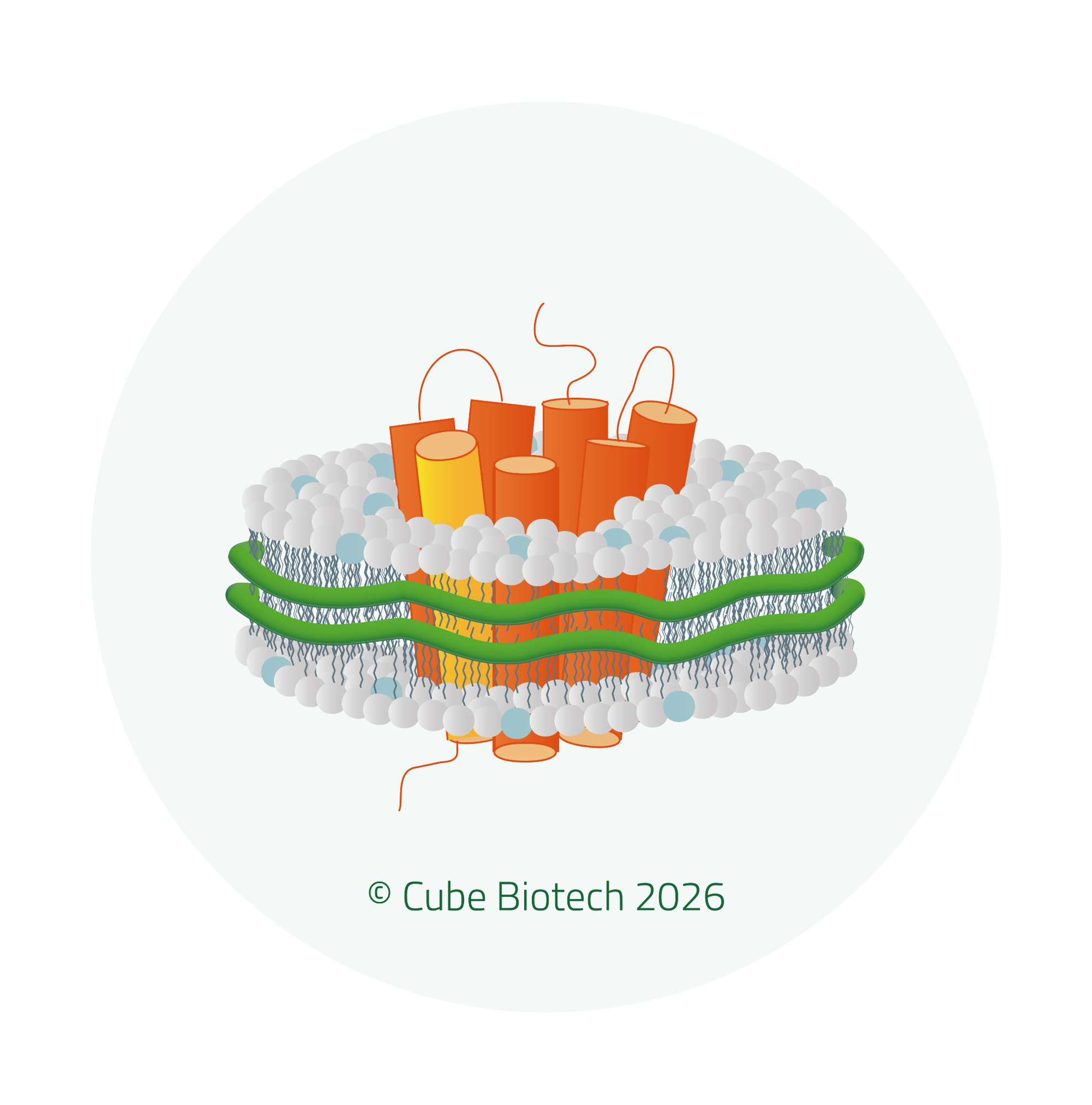
Image Credit: Cube Biotech GmbH
Automation appears to be a key factor in this workflow. What role does the CyBio FeliX platform play in new purification workflow?
Automation is essential for making this workflow robust and reproducible. On the CyBio FeliX platform, critical steps such as solubilization, binding, and washing are performed in a highly standardized manner.
One major advantage is the quality of mixing. Reproducible, homogeneous mixing ensures efficient interaction between sample, copolymers, and beads, something difficult to achieve manually, and contributes to higher and more consistent yields.
At the same time, automation reduces user‑to‑user variability and minimizes manual handling steps. This improves reproducibility and reduces the risk of protein loss or degradation.
How do Analytik Jena and Cube Biotech bring together complementary strengths in automation and biochemical assay development?
Our partnership combines complementary expertise in biochemistry and automation, but what really makes it effective is the continuous exchange between both sides. We invest time in understanding each other’s challenges and capabilities, essentially “training” one another to optimally align chemistry and automation.
This is a key difference: rather than simply transferring protocols into scripts, we co-develop the workflow with a deeper understanding of the underlying processes. The result is a solution that delivers reliable, high-quality outcomes and truly supports scientists in their work.
Membrane protein purification has traditionally taken days or even weeks. What changes when this process can now be completed in just a few hours?
Native membrane proteins can be generated quickly and reproducibly, significantly reducing technical risk and resource requirements. In short, the workflow turns what has traditionally been a high-risk project into a routine experiment.
Researchers can move from hypothesis to experimental validation much faster, allowing them to evaluate more targets, compare more variants, and make decisions earlier in the discovery process.
Predictable workflows also simplify project planning and reduce uncertainty. Lower technical and financial risks make it easier to justify new membrane protein projects and may improve access to research funding, particularly in academia.
For pharmaceutical companies, how could a faster and simpler purification workflow influence early-stage drug discovery and target validation?
Processes that were previously high risk become predictable, scalable, and cost-effective. Faster screening cycles and greater consistency in results lead to more reliable data. This enables better-informed decisions in early-stage drug discovery, particularly during target validation.
Overall, development timelines can be shortened, time-to-market accelerated, and investments translated into results more quickly.
What is driving the current interest in membrane protein research, and where does purification fit in?
Recent years have seen major technological advances, including cryo-electron microscopy and AI-assisted structure prediction, which have significantly expanded our understanding of membrane proteins and revealed new therapeutic targets. At the same time, new therapeutic formats, such as antibodies and more precise small-molecule approaches, are emerging.
However, identifying promising targets is only part of the challenge. Researchers still need experimental access to native proteins to validate biological hypotheses and test potential drug candidates.
This is where purification plays a critical role. While target discovery and structural analysis have advanced rapidly, obtaining native, functional membrane proteins has remained a major bottleneck. Simplifying this step helps translate scientific insights into experimental results and ultimately into therapeutic innovation.
Membrane proteins are already connected to many blockbuster therapies. How could easier access to purified membrane proteins shape future therapies?
In recent years, the proportion of active substances targeting membrane proteins has risen sharply among top-selling medicines. Targets such as PD-1 in cancer immunotherapy and the GLP-1 receptor in metabolic disorders have been particularly influential, triggering a veritable surge in innovation and market growth.
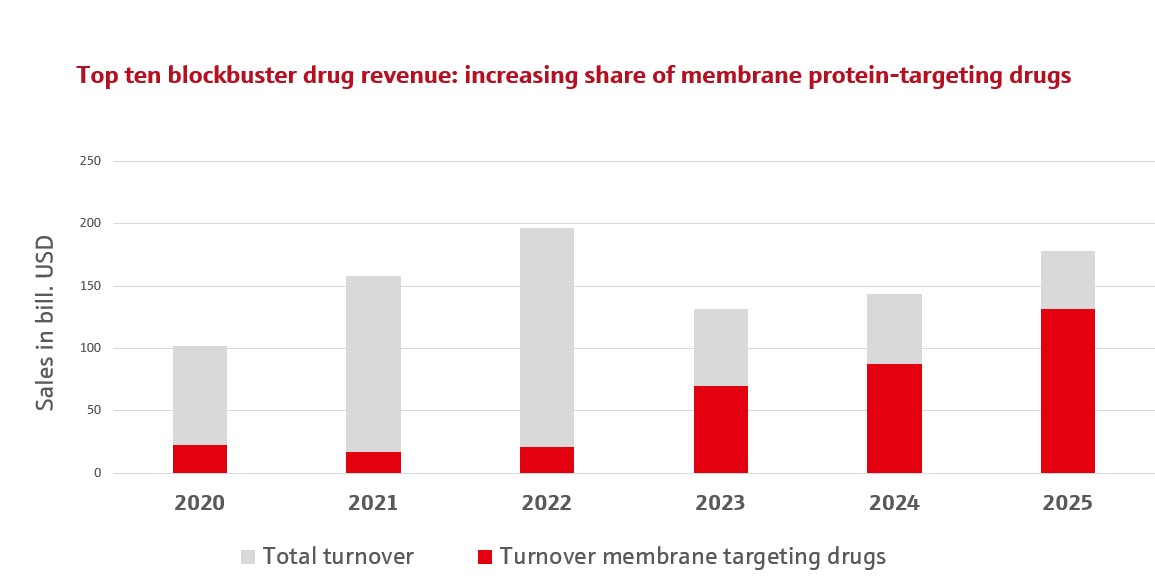
Image Credit: Analytik Jena
Sources: Fierce Pharma, Drug Discovery Trends, Pharmazeutische Zeitung
Improved access to purified, native membrane proteins will further accelerate this trend. Faster validation of new targets and lower technical and financial risks make research on higher-complexity targets or lower-economic-relevance targets more attractive.
In the long term, this could contribute not only to the emergence of further blockbuster therapies, but also to the development of therapies for smaller patient populations and rare diseases. At the very least, this would be highly desirable.
About Andreas Kronberg 
Andreas Kronberg holds a BSc and MSc in Biotechnology from Hochschule Anhalt. He is the Strategic Sales Manager at Analytik Jena, where he has progressed through life science sales and commercial business development roles, managing PCR/qPCR, DNA/RNA extraction applications, strategic partnerships, OEM customers, and global sales collaborations.
About Analytik Jena
Analytik Jena is a provider of instruments and products in the areas of analytical measuring technology and life science. Its portfolio includes the most modern analytical technology and complete systems for bioanalytical applications in the life science area.
Comprehensive laboratory software management and information systems (LIMS), service offerings, as well as device-specific consumables and disposables, such as reagents or plastic articles, complete the Group’s extensive range of products.
Analytik Jena: Your partner for chemical analysis and life science
About Life Science
The Life Science product area demonstrates the biotechnological competence of Analytik Jena AG. We provide a wide product spectrum for automated total, as well as individual solutions for molecular diagnostics. Our products are focused on offering you quality and reproducibility of your laboratory results. This will surely ease your daily work and speed up your work processes in a certain way.
Altogether, we support you through the complete process of the lab work. We offer customized solutions and are able to adapt our products to your needs. Automated high-throughput screening systems for the pharmaceutical sector are also part of this segment’s extensive portfolio.
About Analytical Instrumentation
Analytik Jena has a long tradition in developing high-performance precision analytical systems that date back to the inventions made by Ernst Abbe and Carl Zeiss. We have grown to become one of the most innovative manufacturers of analytical measuring technology worldwide.
Our business unit Analytical Instrumentation offers excellent competencies in the fields of optical spectroscopy, sum parameters, and elemental analysis. Being proud of our core competency, we grant all our customers a long-term warranty of 10 years for our high-performance optics.
About Lab Automation
With more than 25 years of market experience, Analytik Jena, with its CyBio® Product Line, is a leading provider for high-quality liquid handling and automation technologies. In the pharmaceutical and life science industries, our products enjoy the highest reputation for precision, reliability, robustness, and simplicity.
Moreover, the Automation Team designs, produces, and installs fully automated systems tailored to our clients' application, throughput, and capacity requirements. From stand-alone CyBio® Well up to fully customized robotic systems, we handle your compounds, biomolecules, and cells with great care.