The ImageXpress™ Pico Automated Cell Imaging System transcends conventional digital microscopy, combining high-resolution capture with comprehensive data processing. Suitable for fluorescence and brightfield assays, the automated platform contains a wide selection of preconfigured assay profiles to decrease setup duration and speed up trial initialization.
Video Credit: Molecular Devices UK Ltd
Featuring live Digital Confocal 2D on-the-fly deconvolution, auto-focusing, real-time preview options, multi-wavelength cell assessment, and optional pairing with IN Carta® Image Analysis Software, this space-saving, economical device expands analytical boundaries.
Get started quickly
Optimize lab imaging using the icon-driven, user-friendly CellReporterXpress® Image Acquisition and Analysis Software. Start gathering images and compiling data with nominal onboarding time.
Do more than cell counting
Broaden experimental scope with over 25 preset analysis templates for apoptosis studies, mitochondrial monitoring, 3D cellular structures, live-cell/time-lapse, multi-wavelength scoring, and neurite tracing.
Automate imaging affordably
Bypass core facilities by executing automated image acquisition and quantification directly at the workstation. Tailored setups using Digital Confocal add-ons, environmental chambers, and Z-stack imaging fit exact goals.
ImageXpress Pico Automated Imaging System Virtual Tour. Video Credit: Molecular Devices UK Ltd
Features
Multiple imaging modes
Lenses spanning 4x to 63x power the ImageXpress Pico, accommodating colorimetric, brightfield, fluorescence, or live 2D Digital Confocal deconvolution modes.
Preconfigured analysis protocols
The system features more than two dozen ready-to-use analysis methods, from basic cell enumeration to advanced neurite tracking. Using capabilities such as the 'click-to-locate' feature, analysis settings can be fine-tuned by selecting only a few cells that meet specific requirements.
Plate-to-individual cell view
Information can be displayed across various scales, from a comprehensive plate summary to specific cellular details. Numerous data display instruments, spanning plate-level and cell-level analysis, enable users to extract maximum insights from their captured visuals and experimental tests.
Z-stack acquisition
Z-stack acquisition creates clearer images, allowing for more precise segmentation. Users can capture a sequence of images at various focal planes to gather more detail than a single slice; after this, operators can either use all slices or choose particular ones for the final projection.
Quickly and easily identify regions of interest
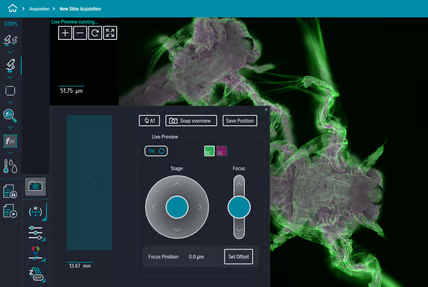
Live Preview streamlines the process of identifying areas of interest, enabling users to navigate the sample and adjust focus interactively using a virtual joystick, thereby conserving time and effort.
Environmental control
Long-term, kinetic, and live-cell tracking runs reliably using built-in environmental systems that regulate humidity, CO2, and O2. Designed to counteract focal drift, the software provides live environmental status updates to ensure optimal assay conditions.
CellReporterXpress software for ImageXpress Pico
Easy-to-learn software optimized for automated digital microscopy
The CellReporterXpress software is an intuitive, user-friendly platform for quantitative image analysis of automated microscopy captures, incorporating features such as Digital Confocal 2D real-time deconvolution, Autofocus, and Live Preview to facilitate advanced region-of-interest detection.
This software supports distributed image analysis to boost throughput and is perfectly suited for scaling digital microscopy imaging across slides or microplates. Its icon-based, linear operational flow, complete with numerous predefined protocols, ensures a highly efficient user experience.
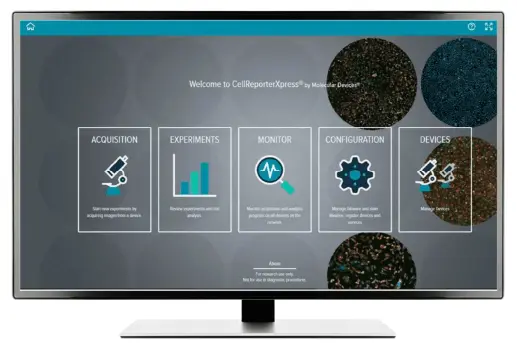
Image Credit: Molecular Devices UK Ltd
IN Carta image analysis software
Modern machine learning, high-content image analysis software
Robust analytical tools paired with an easy-to-use interface streamline processes for image examination and phenotypic characterization. Cutting-edge capabilities offer the functionality essential for analyzing data in two, three, and four dimensions at scale, providing instant insights without requiring intricate pre- or post-processing steps.
Enhance the precision of image analysis processes by employing the SINAP deep learning component and discover that 'Segmentation Is Not A Problem'. Leverage machine learning effectively and conduct intricate phenotypic examinations in the intuitive Phenoglyphs module.
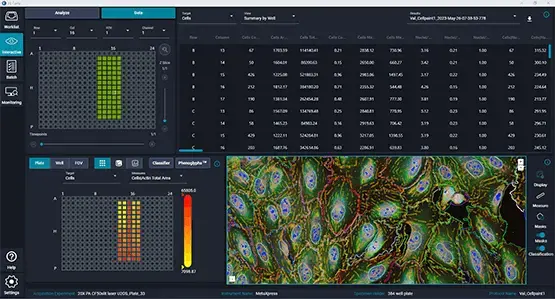
Image Credit: Molecular Devices UK Ltd
Different configurations for ImageXpress™ Pico
ImageXpress™ Pico standard configuration
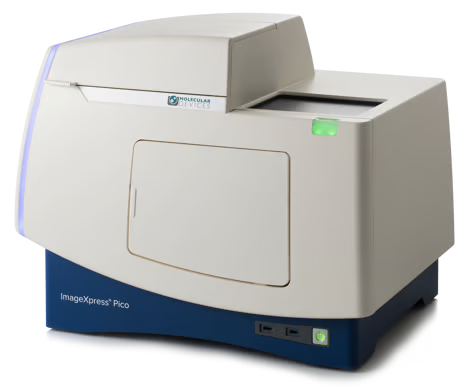
Image Credit: Molecular Devices UK Ltd
Objectives: Leica HC PL Fluotar 4× (NA 0.13) and 10× (NA 0.32); transmitted-light capability
Filter cubes: FITC filter cube for fluorescence imaging
Light source: The solid-state light source and optical train make a large imaging field of view possible.
Labware: Microtiter plate adapter (six- to 384-well) and four-slide adapter
Software: A CellReporterXpress Software license is provided, allowing five simultaneous logins from a desktop or laptop, and up to two logins from a tablet per desktop login. The license permits the use of up to 10 computer cores for distributed image analysis.
Analysis: The standard image analysis algorithms comprise 17 modules, including cell counting, cell scoring, apoptosis, and other analyses.
Service: System includes a one-year MDCare PhD Technical Support Plan and a one-year warranty covering parts and labor.
ImageXpress Pico with Environmental Control
Objectives: Leica HC PL Fluotar 4× (NA 0.13) and 10× (NA 0.32); transmitted-light capability
Filter cubes: FITC filter cube for fluorescence imaging
Light source: The solid-state light source and optical train make a large imaging field of view possible.
Environmental Control: Maintains incubation temperatures up to 40 °C, regulates CO2 levels between ambient and 15%, controls O2 levels between 1% and 15% alongside ambient O2, and manages humidity to reduce evaporation.
Labware: Microtiter plate adapter (six- to 384-well) and four-slide adapter
Software: A license is provided for CellReporterXpress Software, allowing for five simultaneous logins from either a desktop or laptop, along with a maximum of two logins from a tablet for each desktop login. The license permits the use of 10 computer cores for distributed image analysis.
Analysis: The standard image analysis algorithms comprise 17 modules, including cell counting, cell scoring, apoptosis, and other analyses.
Service: The system includes a one-year MDCare PhD Technical Support Plan and a one-year warranty covering parts and labor.
Additional options
Objectives: Leica HC PL FLUOTAR 20× (NA 0.40), 40× (NA 0.60), 63× (NA 0.70)
Filter cubes: CFP, DAPI, Texas Red, TRITC, Cy5
CellReporterXpress analysis: Advanced analysis module, Z-stacking, multi-wavelength cell scoring, translocation analysis algorithm, neurite tracing algorithm, granularity analysis algorithm
(Z-stacking is included with Environmental Control, and translocation analysis algorithm, neurite tracing algorithm, and granularity analysis algorithm are included with advanced analysis module)
Metaxpress Analysis:
- MX Basic Software bundle
- MDCStore Xchange service
- Translocation
- Neurite outgrowth
- Angiogenesis
- Count nuclei
- Granularity
- Transfluor
- Live/dead
- Cell health
- Cell scoring
- Multiwavelength cell scoring
- Monopole detection
- Cell cycle
- Nuclear translocation HT
- Cell proliferation HT
- Transfluor HT
- Multiwavelength translocation
- Micronuclei
- Mitotic index
Explore the ImageXpress Pico in more detail: The front view
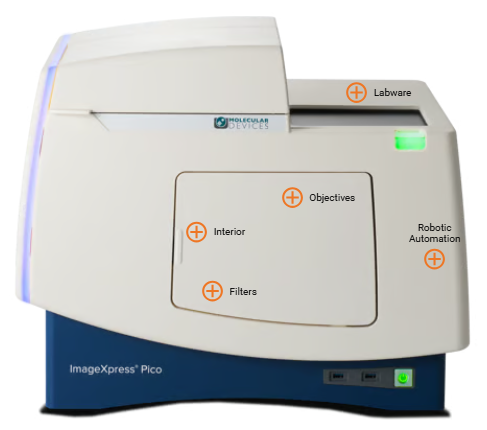
Image Credit: Molecular Devices UK Ltd
Labware
Flexibility to expand
The ImageXpress™ Pico system accommodates various laboratory apparatus, including microplates with well capacities varying from six to 384, both single- and multiple-slide holders, as well as holders for 35 mm culture dishes, among other instruments.
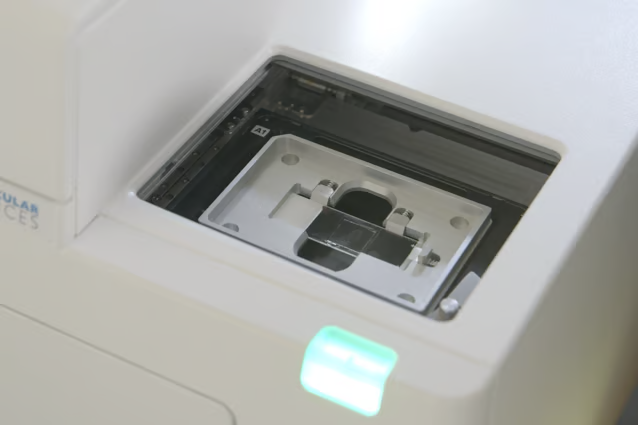
Single Slides. Image Credit: Molecular Devices UK Ltd
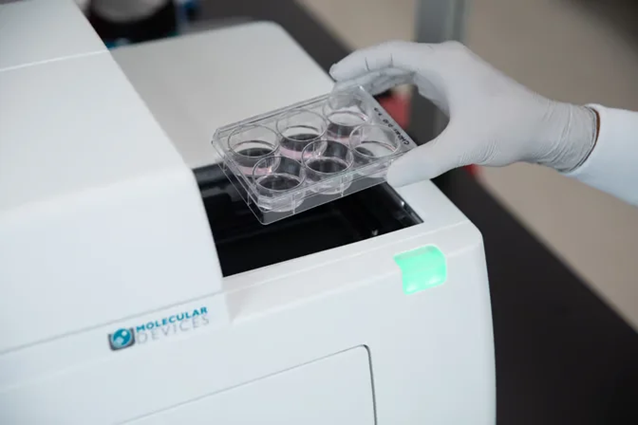
Six-well Cell Culture Plates. Image Credit: Molecular Devices UK Ltd
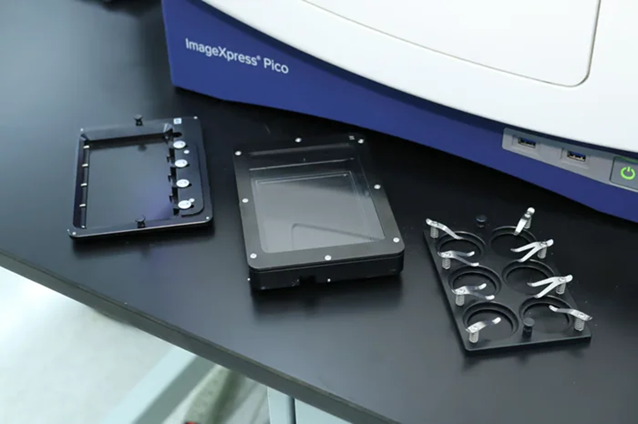
Accommodates a wide variety of labware including four slide holders, environmental control cassettes, and 35 mm culture dish holders. Image Credit: Molecular Devices UK Ltd
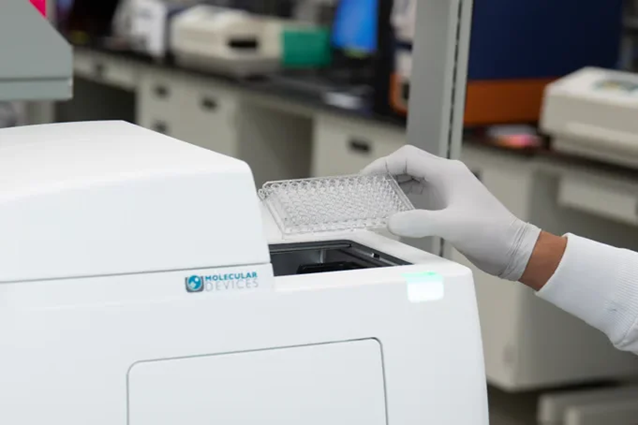
96-well Microplates. Image Credit: Molecular Devices UK Ltd
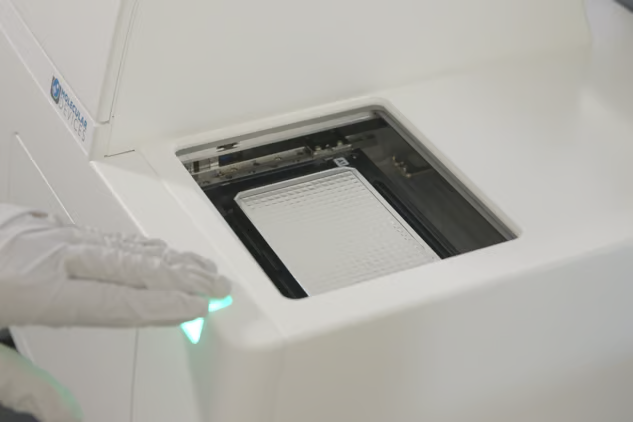
384-well Microplates. Image Credit: Molecular Devices UK Ltd
Objectives
ImageXpress™ Pico includes user-exchangeable HC PL Fluotar air objectives that offer extended working distances. These objectives are supplied by Leica Microsystems and are mounted on an automated turret with six positions.
4× NA 0.13
The 4× NA 0.13 is best suited for slides, low-well-number plates (e.g., six-well or 12-well plates), and whole-well imaging.
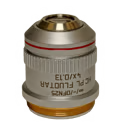
4× NA 0.13. Image Credit: Molecular Devices UK Ltd
4× Leica PL Fluotar objective (NA 0.13)
PLF Fluotars are powerful universal objectives with outstanding chromatic correlation for at least three wavelengths, which makes them suitable for fluorescence imaging. Field planarity (PL) is computed for a 25 mm field of view. They are made of special glass to enable maximum transmission. This makes them powerful photon collectors in fluorescence microscopy. Image Credit: Molecular Devices UK Ltd
10× NA 0.32
The 10× NA 0.32 is designed for applications that involve whole organisms, cell counting (proliferation assessments), live/dead analysis, and apoptosis studies.
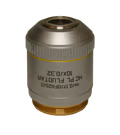
10× NA 0.32. Image Credit: Molecular Devices UK Ltd
10× Leica PL Fluotar objective NA 0.32 / Free working distance: 11.13 mm
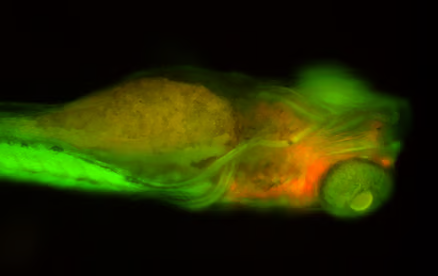
Image Credit: Molecular Devices UK Ltd
20× NA 0.40
The 20× NA 0.40 is ideal for cellular, neuron/neurite tracing, puncta counting, and cell scoring.
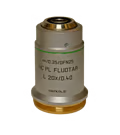
20× NA 0.40. Image Credit: Molecular Devices UK Ltd
20× Leica PL Fluotar objective NA: 0.40 / Free working distance: 7.45 mm
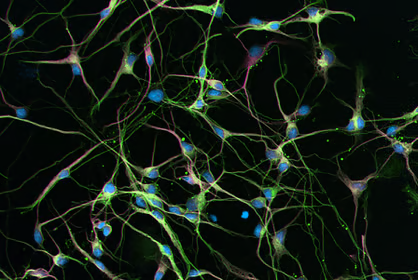
Image Credit: Molecular Devices UK Ltd
40× NA 0.60
The 40× NA 0.60 is best for organelles, puncta counting for small puncta (internalization, endocytosis, phagocytosis), and studies concerning organelles for quantifying or examining organelle shape and morphology.
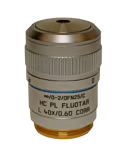
40× NA 0.60. Image Credit: Molecular Devices UK Ltd
40× Leica PL Fluotar objective NA: 0.60 / Free working distance: 3.0 mm Correction Collar
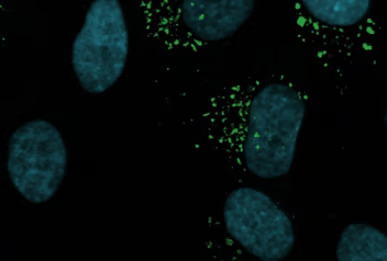
Image Credit: Molecular Devices UK Ltd
63× NA 0.70
The 63× NA 0.70 is ideal for assessing viral titer, imaging small objects (such as yeast, phytoplankton, and bacteria), and visualizing small molecules (including RNA in situ hybridization).
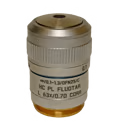
63× NA 0.70. Image Credit: Molecular Devices UK Ltd
63× Leica PL Fluotar objective NA: 0.70 /Free working distance: 2.0 mm Correction Collar
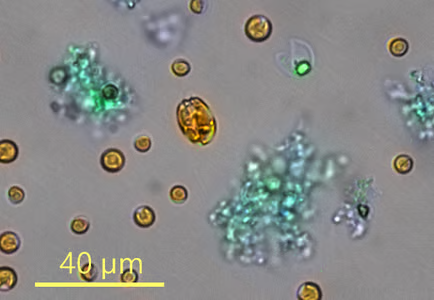
Image Credit: Molecular Devices UK Ltd
Interior
The ImageXpress™ Pico uses easily accessible filter cubes that users can replace, as well as Leica objectives.
Filters
ImageXpress™ Pico utilizes user-exchangeable filter cubes
The ImageXpress™ Pico Filter Cubes feature a magnetic pin that helps align the filter cube, enabling users to replace it effortlessly.
DAPI filter cube
Excitation range: 350–390/Emission range: 419–482
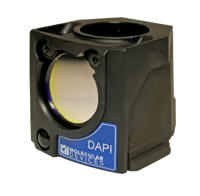
DAPI. Image Credit: Molecular Devices UK Ltd
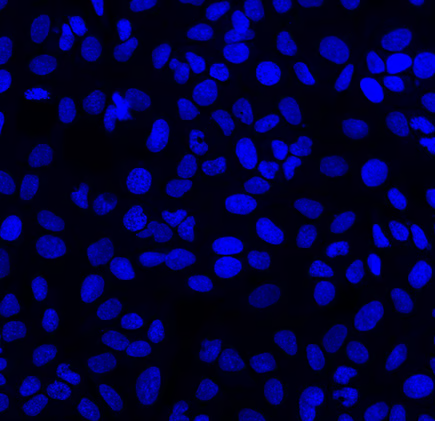
DAPI - 20X U2OS cells with Hoechst-stained nuclei. Image Credit: Molecular Devices UK Ltd
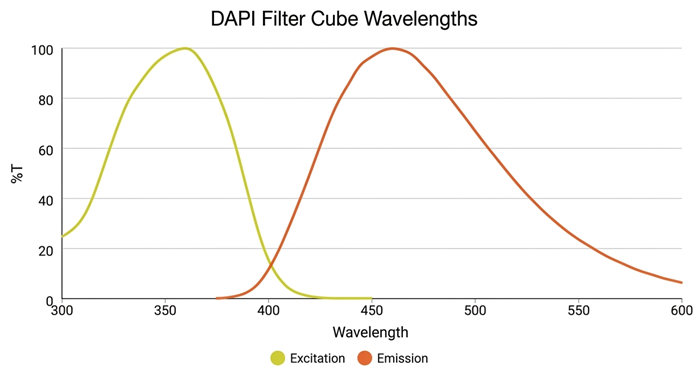
Image Credit: Molecular Devices UK Ltd
CFP filter cube
Excitation range: 350–390/Emission range: 419–482
CFP. Image Credit: Molecular Devices UK Ltd
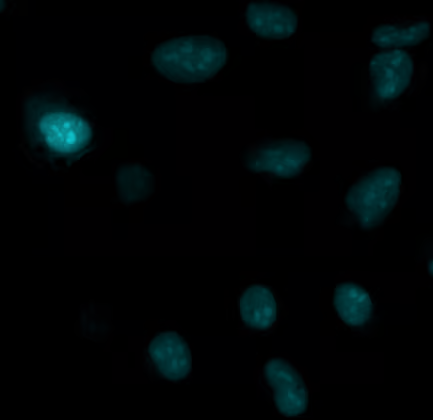
CFP - 40X U2OS cells transduced with bacmam nucleus. Image Credit: Molecular Devices UK Ltd
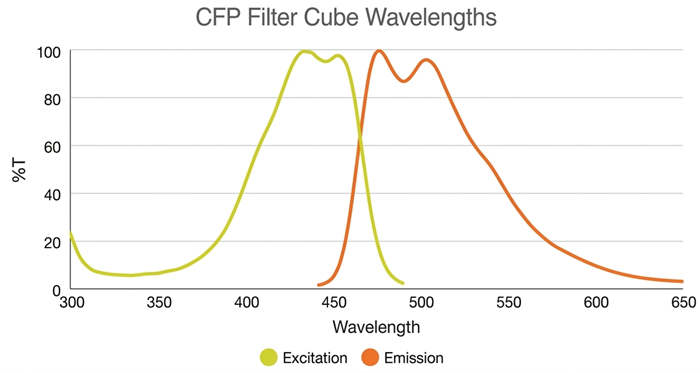
Image Credit: Molecular Devices UK Ltd
FITC filter cube
Excitation range: 445–485/Emission range: 509–539
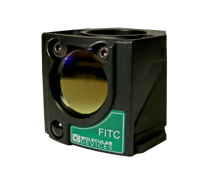
FITC. Image Credit: Molecular Devices UK Ltd
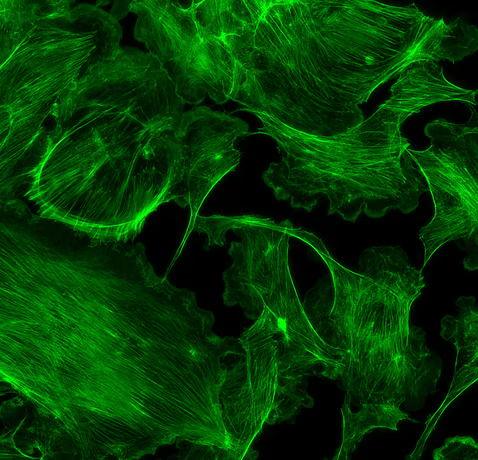
FITC - 40X BPAE cells stained with AlexaFluor 488 phalloidin (actin stain). Image Credit: Molecular Devices UK Ltd
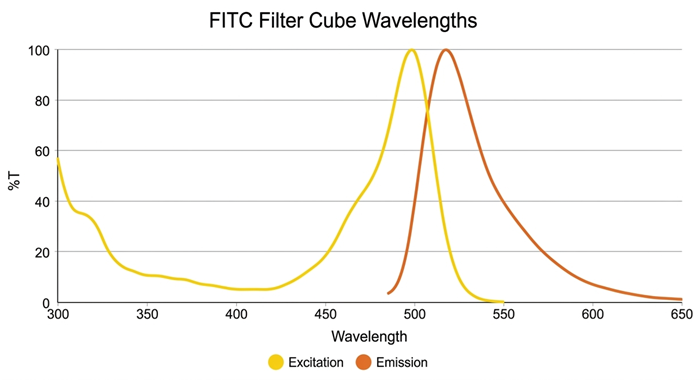
Image Credit: Molecular Devices UK Ltd
TRITC filter cube
Excitation range: 509–552/Emission range: 573–613
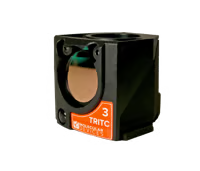
TRITC. Image Credit: Molecular Devices UK Ltd
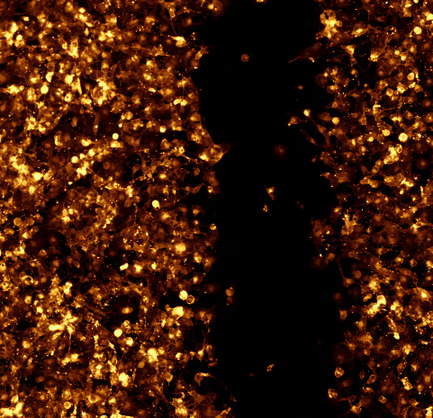
Image Credit: Molecular Devices UK Ltd
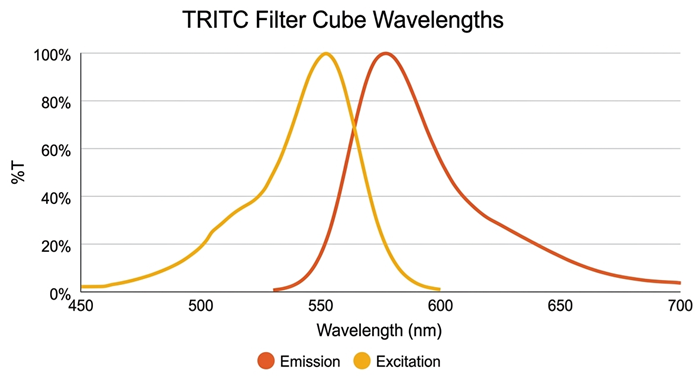
Image Credit: Molecular Devices UK Ltd
Texas Red filter cube
Excitation range: 350–390/Emission range: 419–482
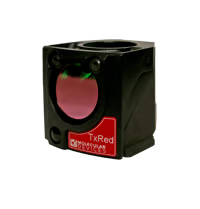
Texas Red. Image Credit: Molecular Devices UK Ltd
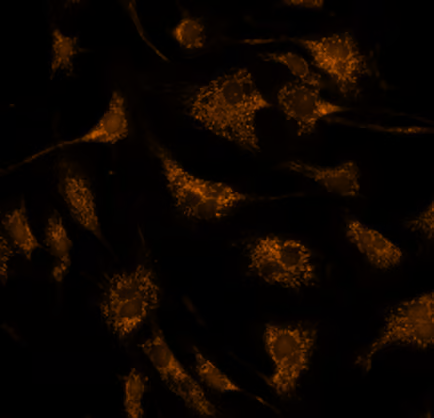
Texas Red - MitoTracker Red stained BPAE cells (mitochondria). Image Credit: Molecular Devices UK Ltd
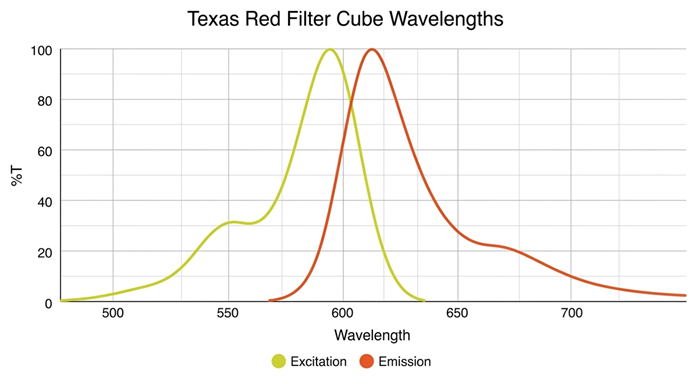
Image Credit: Molecular Devices UK Ltd
Cy5 filter cube
Excitation range: 610–650/Emission range: 675–720
Cy5. Image Credit: Molecular Devices UK Ltd
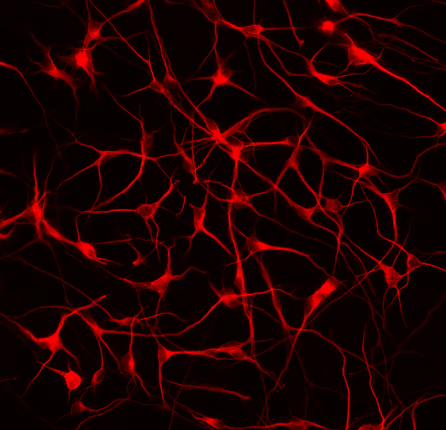
Cy5 - 40X iPSC-derived neurons stained for MAP2B zoomed in. Image Credit: Molecular Devices UK Ltd
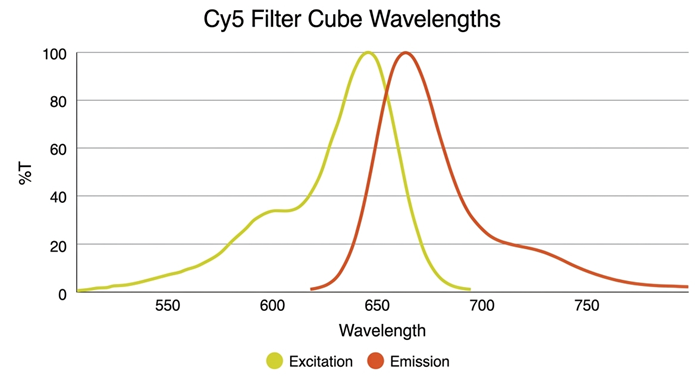
Image Credit: Molecular Devices UK Ltd
Robotic automation
Customizable to meet user’s research needs
The Molecular Devices ImageXpress™ Pico, when used together with the S-Lab automated plate handler from PAA, has been meticulously crafted to function efficiently as a cohesive system, offering a reliable approach for sample analysis without the need for oversight. This integration results in increased productivity, reduced costs, and consistent performance.
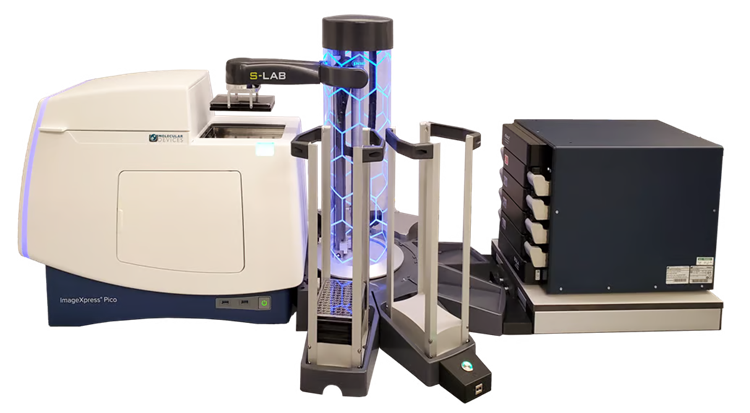
Four-plate incubator shown. Additional configurations are available. Image Credit: Molecular Devices UK Ltd
Explore the ImageXpress Pico in more detail: The back view
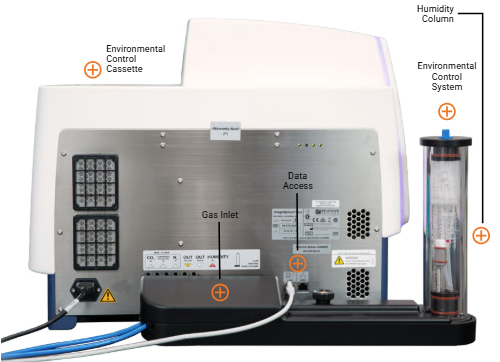
Image Credit: Molecular Devices UK Ltd
Environmental control cassette and gas inlet
The ImageXpress Pico™ allows users to perform live-cell experiments with integrated environmental control features.
Environmental control system
The cutting-edge environmental control cassette chamber, secured with magnets, manages gas and humidity levels while reducing gas usage in relation to flooding the entire system.
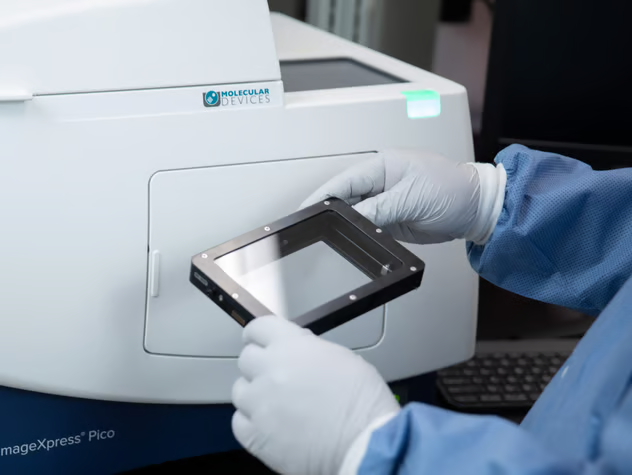
Image Credit: Molecular Devices UK Ltd
Environmental regulation mimics conditions inside cells, enabling researchers to conduct experiments spanning several days, monitor time-lapse events, and perform live-cell assays. By leveraging the CellReporterXpress™ software, the ImageXpress™ Pico Automated Cell Imaging System provides clarity about the environmental control settings during the acquisition phase, ensuring that the system functions properly.
The environmental control system is integrated right into the rear of the ImageXpress™ Pico, saving essential lab countertop space. Users can easily add water without disrupting ongoing experiments to support extended studies over several days.
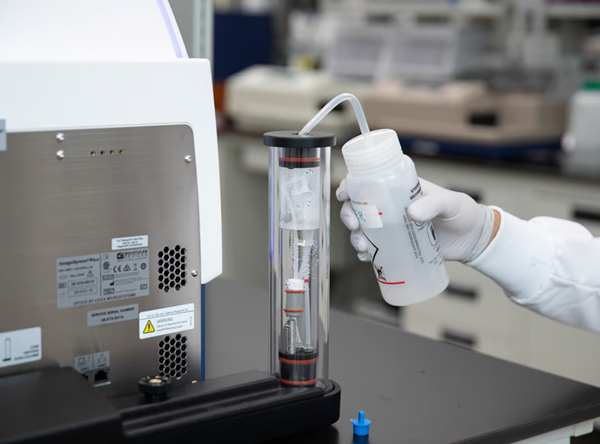
Image Credit: Molecular Devices UK Ltd
Humidity column
The integrated humidity column can be quickly and easily refilled to maintain an 85% humidity level without disrupting the experiment.
Data access
ImageXpress™ Pico is integrated with CellReporterXpress, a browser-based software for image acquisition and analysis.
The CellReporterXpress Software, functioning through a web browser, enables users to access their data remotely and control the ImageXpress™ Pico system from any place, even when they are away from the lab.
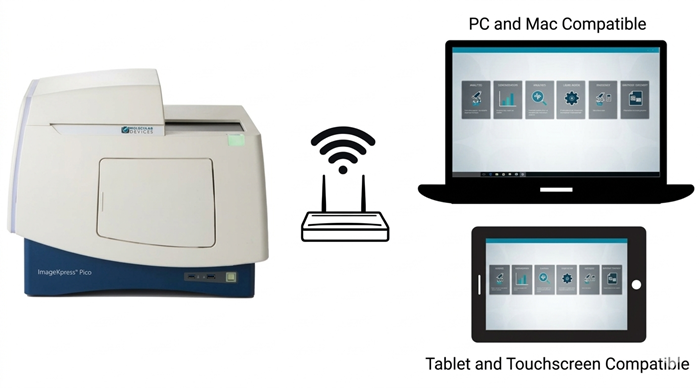
Image Credit: Molecular Devices UK Ltd
Explore CellReporterXpress in more detail: The software powering ImageXpress™ Pico
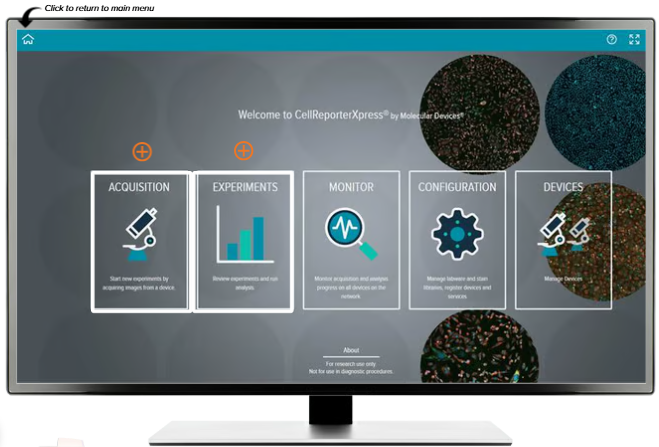
Image Credit: Molecular Devices UK Ltd
Acquisition on the CellReporterXpress
Choose from an array of pre-defined protocols–from simple cell enumeration to intricate neurite mapping–crafted to yield the sharpest images, or customize them to fit specific research needs.
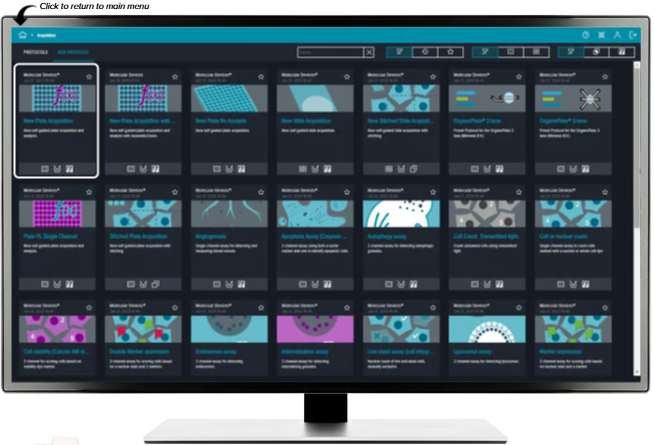
Image Credit: Molecular Devices UK Ltd
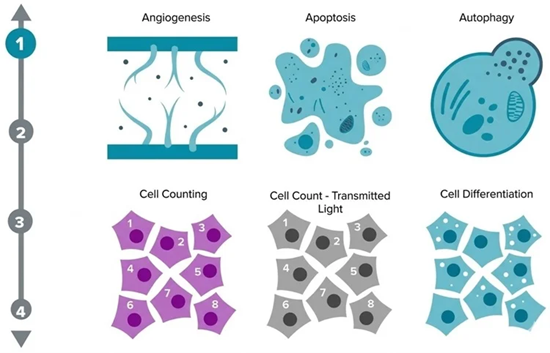
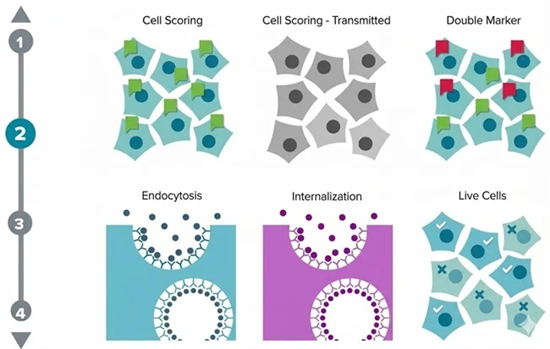
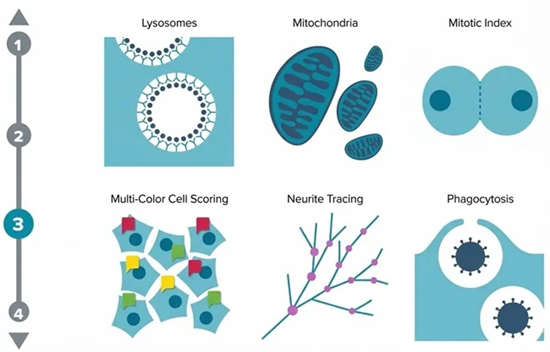
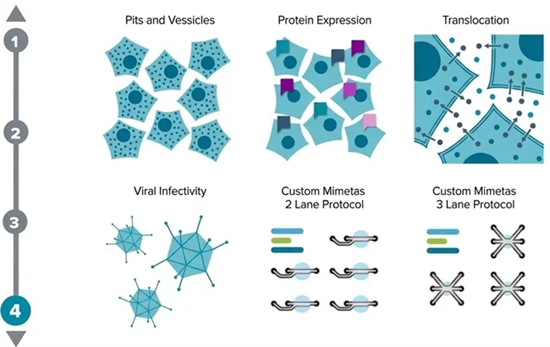
Image Credit: Molecular Devices UK Ltd
Easily adjust settings to customize cell image acquisition to meet the study's specific needs.

Image Credit: Molecular Devices UK Ltd
Easily change plate format or accept defaults
The ImageXpress™ Pico system accommodates various options for lab equipment, including slide holders, 35 mm culture dish holders, and other supplementary accessories.
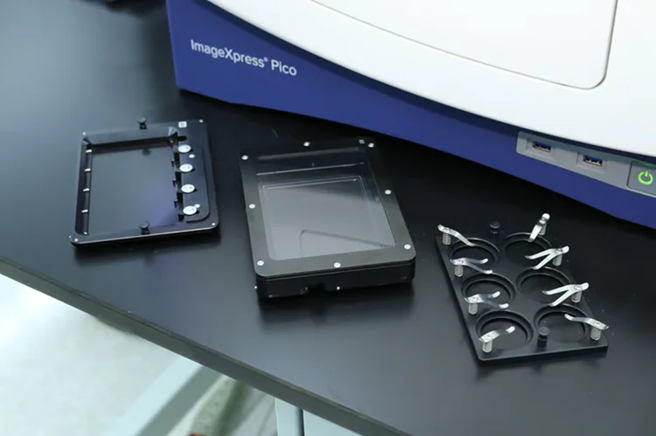
Image Credit: Molecular Devices UK Ltd
Easily adjust image intensity settings, including activating digital confocal 2D on-the-fly image deconvolution
Digital Confocal option
Significantly improve both resolution and assay quality with Digital Confocal 2D real-time deconvolution. The Digital Confocal capability restores light to its original source, allowing users to shorten exposure times and increase the statistical significance of their results.
Adjust region selection settings quickly
Live Preview mode
Live Preview mode simplifies ROI (regions of interest) identification. The user can examine the specimen before its capture by using the virtual joystick to navigate around it and actively adjust the focus. The Live Preview, featuring a "click-to-center" function, continuously updates the image, enabling users to easily investigate the specimen to find the exact field of view they require.
Whether the user is working with 96-well microplates, slides, or 35 mm culture plates, the Live Preview helps users quickly and efficiently focus on the essential elements of their research.
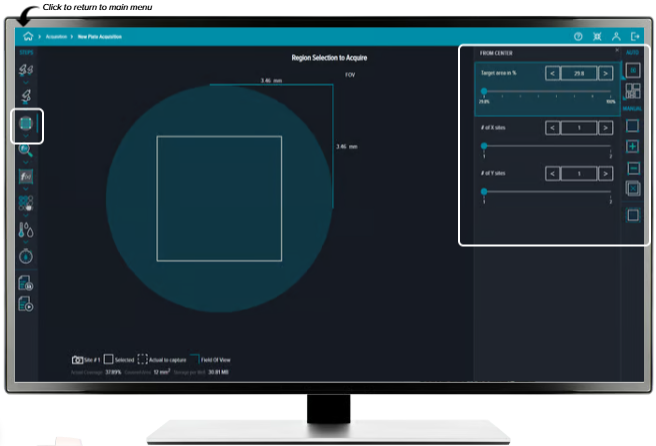
Image Credit: Molecular Devices UK Ltd
Instant analysis can be performed by selecting from the array of predefined analysis modules without returning to the main menu.
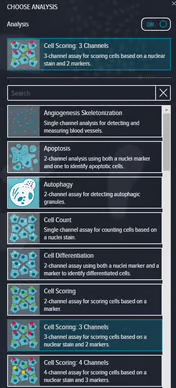
Image Credit: Molecular Devices UK Ltd
The whole acquisition area can be analyzed, or a specific area can be selected.
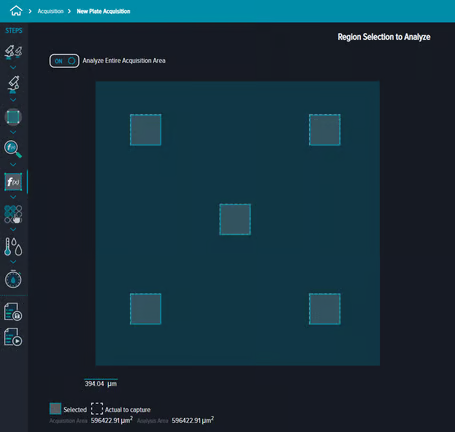
Image Credit: Molecular Devices UK Ltd
Choose an entire plate or specific, individual wells.
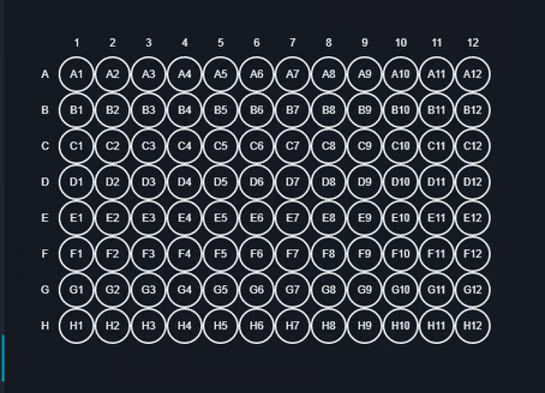
Image Credit: Molecular Devices UK Ltd
Set up a time-lapse series, comprising intermittent time-lapses, to create movies and dynamic charts.
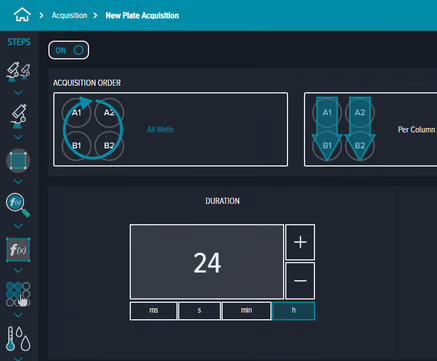
Image Credit: Molecular Devices UK Ltd
Saving unique protocol settings enables convenient future access; they can be accessed from any network-connected browser.
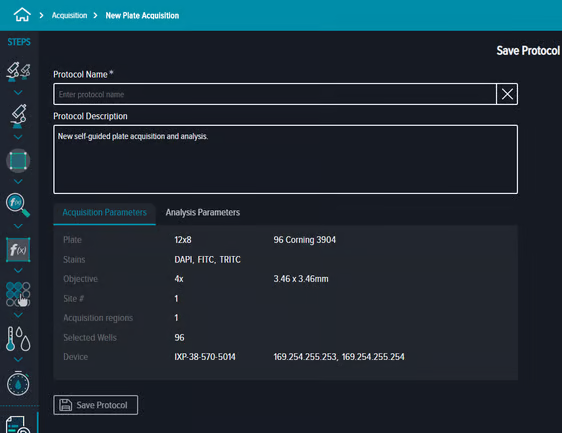
Image Credit: Molecular Devices UK Ltd
Experiments on the CellReporterXpress
Earlier experiments can be located for analysis by choosing from a list, running a search, or filtering by specific criteria.
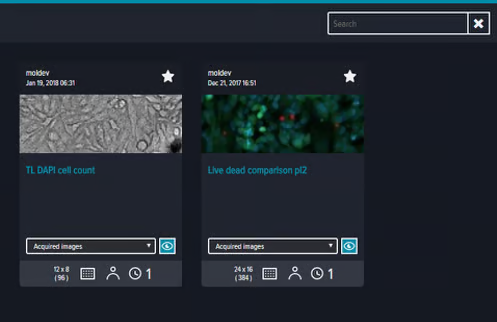
Image Credit: Molecular Devices UK Ltd
Experimental results can be analyzed in a variety of views: plate time view, images, plate view, and data summary.
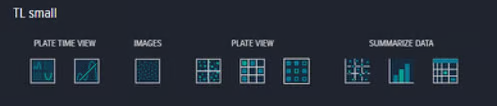
Image Credit: Molecular Devices UK Ltd
Users can efficiently switch between the different visualization options:
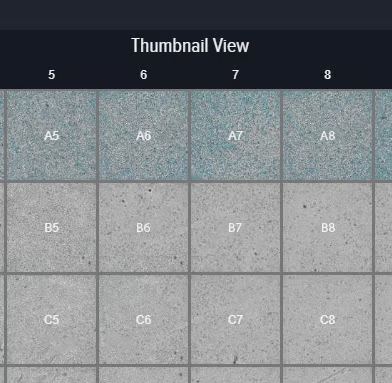
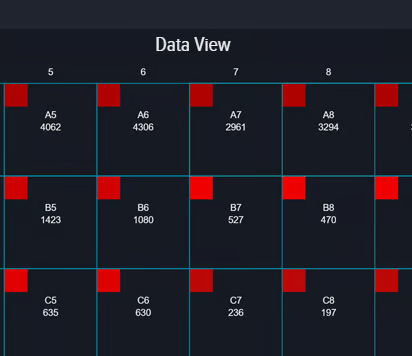
Image Credit: Molecular Devices UK Ltd
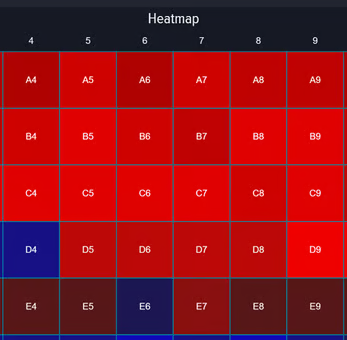
Image Credit: Molecular Devices UK Ltd
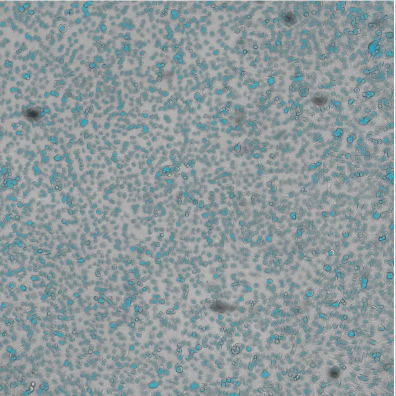
Image Credit: Molecular Devices UK Ltd
Scatter plots, tables, bar graphs, and even movies can be automatically generated for data visualization.
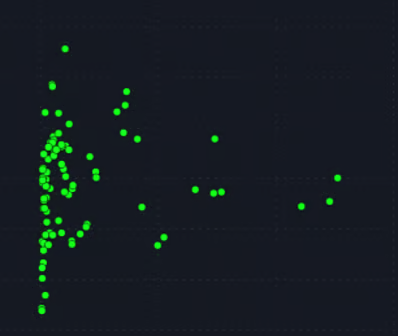
Image Credit: Molecular Devices UK Ltd
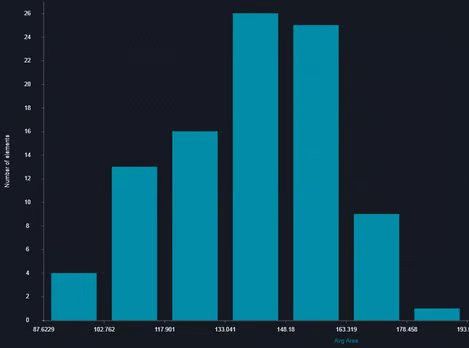
Image Credit: Molecular Devices UK Ltd
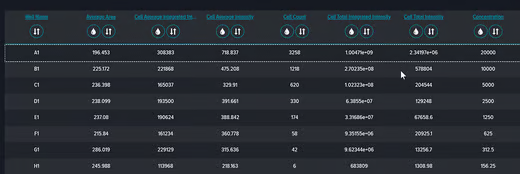
Image Credit: Molecular Devices UK Ltd
Applications of the ImageXpress Pico automated cell imaging system
Apoptosis analysis
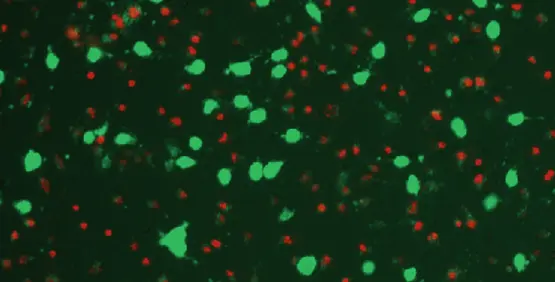
Image Credit: Molecular Devices UK Ltd
Apoptosis is a programmed cell death mechanism crucial for diverse physiological processes, such as embryonic morphogenesis and normal tissue homeostasis. Disrupted apoptotic regulation constitutes a core feature of multiple diseases, including cancer.
Specific biochemical pathways drive characteristic morphological alterations, such as cellular shrinkage, nuclear cleavage, chromatin condensation, and mRNA decay, ultimately leading to cell death. Apoptosis is initiated via either intrinsic or extrinsic pathways, both of which mediate cell destruction by activating caspases.
COVID-19 and infectious disease research
Core areas in infectious disease investigation include host cell line development, binding affinity measurement, viral neutralization assays, viral titer determination, and associated techniques, emphasizing the characterization of SARS-CoV-2 to advance COVID-19 therapeutic approaches across vaccines, treatments, and diagnostics.
Cardiomyocytes
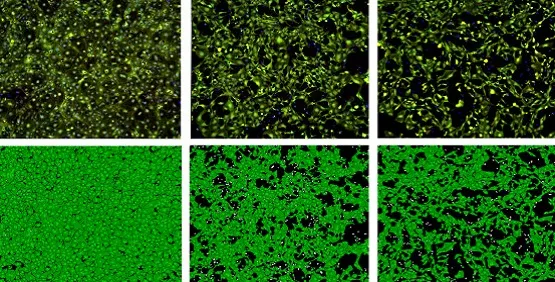
Image Credit: Molecular Devices UK Ltd
Cardiomyocytes generated from stem cells permit early detection of harmful drug toxicities, avoiding resource allocation to prospective therapies prone to clinical trial failure due to cardiac side effects.
Cell counting
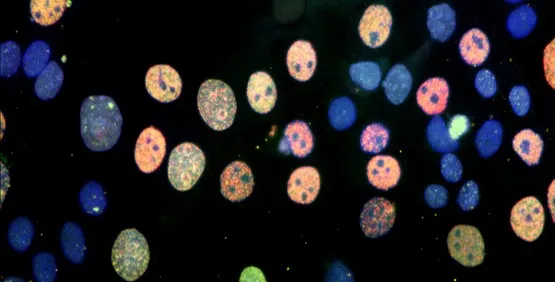
Image Credit: Molecular Devices UK Ltd
Cell counting is a core necessity in various biological studies. Experiments assessing compound toxicity, cell proliferation, and cell division inhibition explicitly rely on calculating cell numbers or densities within sample wells.
Digital confocal
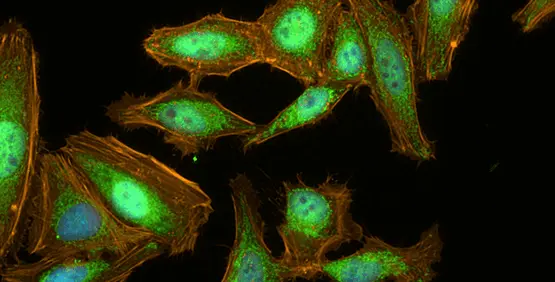
Image Credit: Molecular Devices UK Ltd
The capacity of cells to adjust to their surroundings is governed by highly regulated signaling networks. In many instances, the triggering of these pathways by external signals, for example hormones or cytokines, results in proteins moving from the cytoplasm into the nucleus.
Upon reaching the nucleus, these proteins can govern the transcription of specific genes. Assays that require precise identification of subcellular structures or molecules within distinct cellular compartments can benefit from image deconvolution's ability to refine detection of the specific fluorescence signal, even amid substantial background noise from out-of-focus light.
The ImageXpress Pico system, equipped with Digital Confocal 2D on-the-fly deconvolution, facilitates the measurement of protein relocation from the cytoplasm to the nucleus, exemplified by NF-κB's shift after TNF-α stimulation. Improved image resolution and the preservation of quantitative data, both derived from image deconvolution, contribute to increased statistical significance in nuclear translocation analyses.
Disease modeling
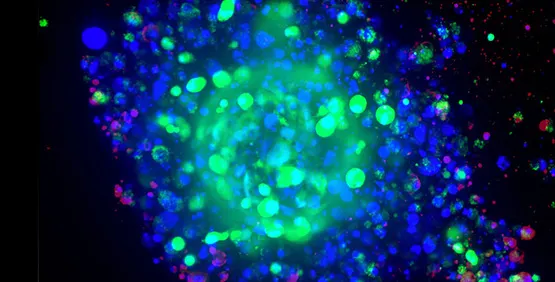
Image Credit: Molecular Devices UK Ltd
Disease modeling frameworks differ in scale and complexity, ranging from simple 2D cell cultures to complete animal systems. Whole-animal setups offer in vivo context yet incur elevated expenses and frequently misrepresent human biology.
Alternatively, traditional 2D culture platforms, regardless of extensive historical adoption, fail to replicate the complex 3D organization and cellular communications present in living tissue.
In this light, 3D culture models have become a powerful option for disease simulation.
Drug discovery and development
In drug discovery and development, high-content imaging serves to evaluate how cells react to various compounds through numerous biological measurements.
By acquiring large-scale quantitative, image-based data, scientists can assess phenotypic effects, mechanism-related alterations, and cellular toxicity throughout preclinical research.
Live-cell imaging
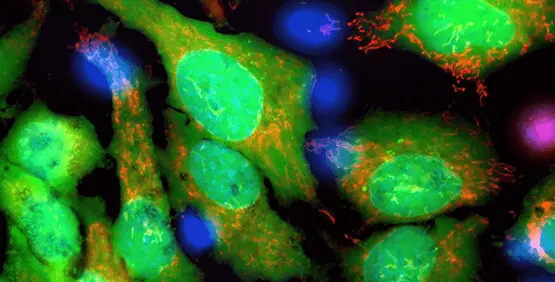
Image Credit: Molecular Devices UK Ltd
Live-cell imaging facilitates continuous observation of physiological processes in viable cells across extended durations within controlled environmental conditions.
This approach permits researchers to monitor dynamic events, such as alterations in cellular morphology, motility, or behavioral responses throughout an experiment. Standard live-cell workflows depend on built-in environmental management alongside automated time-lapse image acquisition.
Neurite outgrowth/tracing
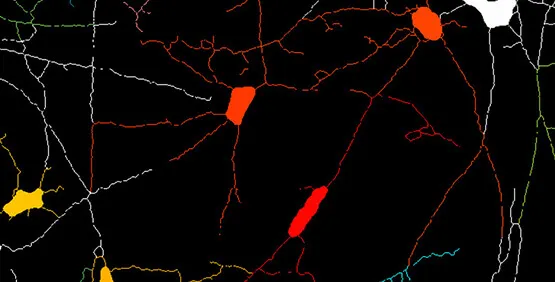
Image Credit: Molecular Devices UK Ltd
Neurite extension analysis assesses the elongation and branching of neuronal projections during development or following experimental treatments.
High-content imaging enables automated neurite tracing and parameter quantification, such as length, branching complexity, and overall neuronal morphology, across targeted cell populations.
Oncology
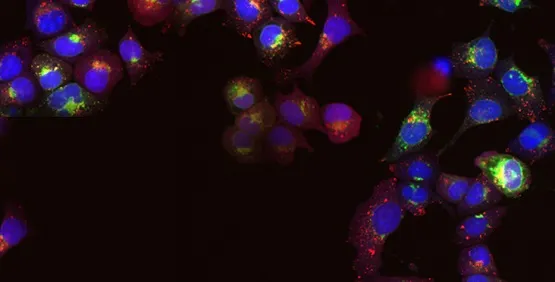
Image Credit: Molecular Devices UK Ltd
In cancer research, high-content imaging investigates malignant cell behavior, structural characteristics, and phenotypic responses at single-cell resolution.
This approach facilitates the evaluation of heterogeneous cell populations, driving image-based analysis of phenotypic variability, cell cycle dynamics, and treatment-induced responses within tumor models.
Stem cell research
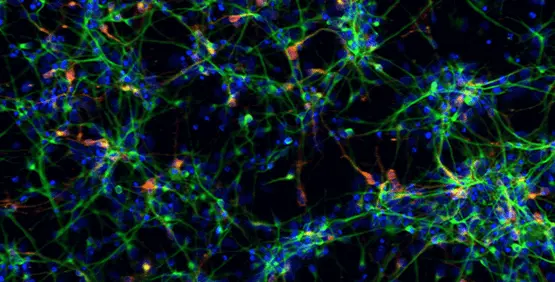
Image Credit: Molecular Devices UK Ltd
Pluripotent stem cells serve as models in developmental biology or undergo differentiation into specialized cell types for live- or fixed-cell-based assays conducted on slides or in microplates. The ImageXpress system supports every phase of the stem cell research pipeline, ranging from tracking lineage differentiation to quality assurance and functional assessment of specific cell types.
Toxicology
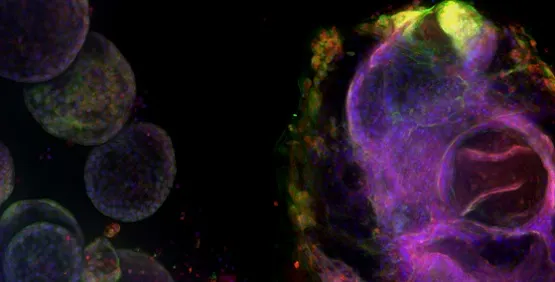
Image Credit: Molecular Devices UK Ltd
Toxicology investigates the adverse effects of natural or man-made chemicals on biological organisms. This field represents a growing priority in contemporary scientific research due to expanding environmental and commercial exposure to chemical substances.