This article and associated images are based on a poster originally authored by Karthik Mohanraj, Mireya Vazquez-Prada, Frederique Gill, Christopher Saunter and Fozia Saleem and presented at ELRIG Drug Discovery 2026 in affiliation with Magnitude Biosciences Ltd.
This poster is being hosted on this website in its raw form, without modifications. It has not undergone peer review but has been reviewed to meet AZoNetwork's editorial quality standards. The information contained is for informational purposes only and should not be considered validated by independent peer assessment.


A demonstration of how Magnitude Biosciences helps partners move from high-throughput whole-organism screening to functional and mechanistic evidence – so they can prioritize the right candidates with confidence. Image Credit: Karthik Mohanraj et al., in partnership with ELRIG (UK) Ltd.
1. VivoScan™ screen - Lifespan measurement
High-throughput, whole-organism screening
A library of compounds was screened with VivoScan™ to identify doses that reproducibly promoted longevity.
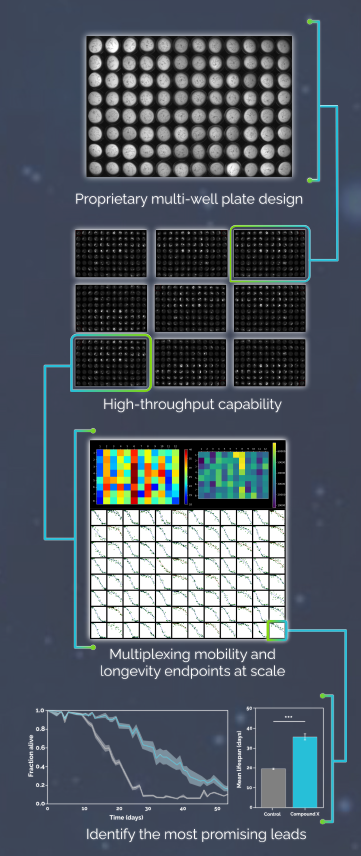
Image Credit: Karthik Mohanraj et al., in partnership with ELRIG (UK) Ltd.
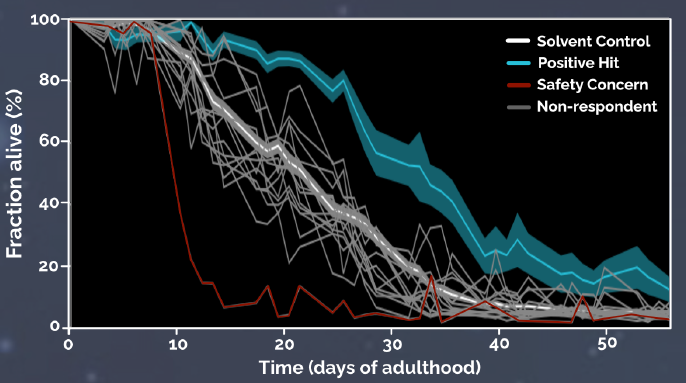
Fig 1. Survival curves across a compound library. Image Credit: Karthik Mohanraj et al., in partnership with ELRIG (UK) Ltd.
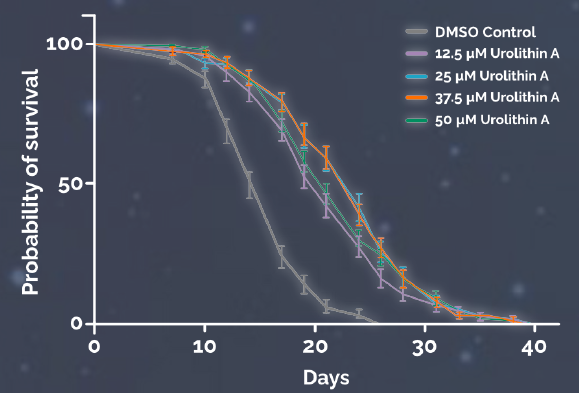
Fig 2. Survival curves across a dose range of Urolithin A vs. DMSO control (0–40 days). Image Credit: Karthik Mohanraj et al., in partnership with ELRIG (UK) Ltd.
2. WormGazer™ validation - Mobility readouts
Rapid, high-content functional phenotyping
In just seven days, WormGazer™ revealed a significant, dose-dependent improvement in neuromuscular function, matching the resolution of a manual lifespan assay.
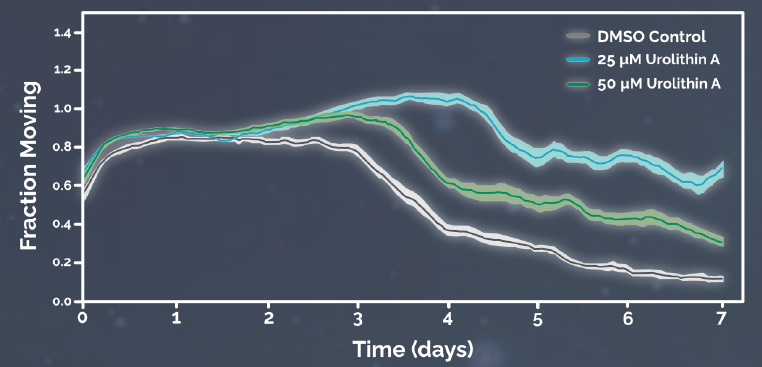
Fig 3. Mobility profile (fraction of population moving) over 7 days. Image Credit: Karthik Mohanraj et al., in partnership with ELRIG (UK) Ltd.
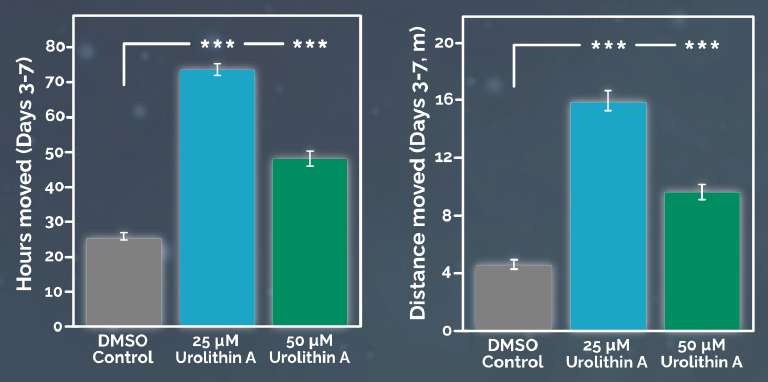
Fig 4. Hours moved and distance traveled, Days 3–7 (*** p < 0.001 vs. control). Image Credit: Karthik Mohanraj et al., in partnership with ELRIG (UK) Ltd.
3. Functional assay - Mitochondrial health
Urolithin A induces mitophagy and improves muscle function in C. elegans
C. elegans body-wall muscle mitochondria were fluorescently labeled and scored for network morphology.
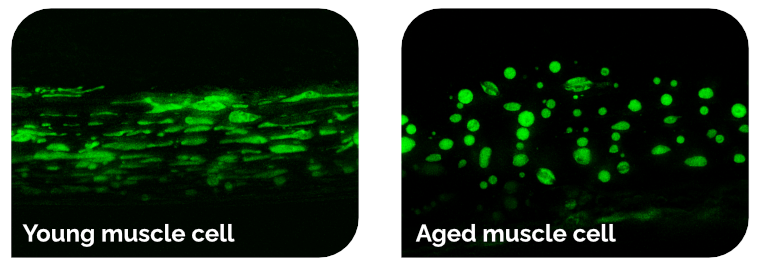
Fig 5. Fluorescently labeled mitochondrial networks: young vs. aged muscle cell. Image Credit: Karthik Mohanraj et al., in partnership with ELRIG (UK) Ltd.
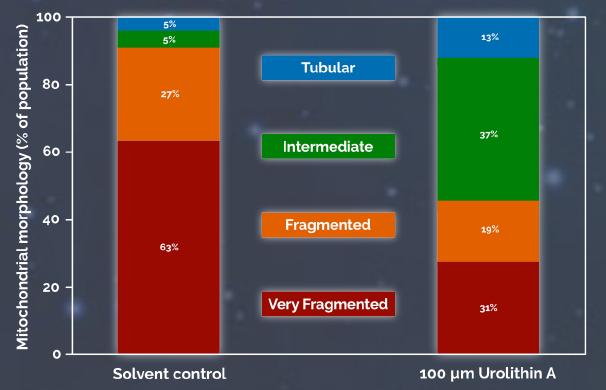
Fig 6. Distribution of mitochondrial morphology phenotypes. Image Credit: Karthik Mohanraj et al., in partnership with ELRIG (UK) Ltd.
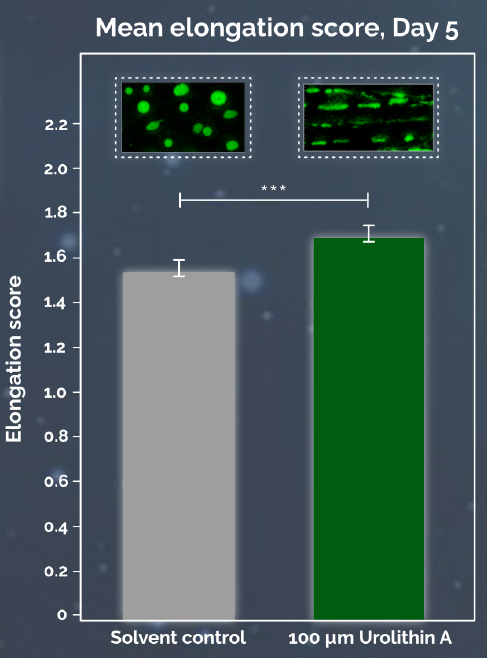
Fig 7. Mean elongation scores in body-wall muscle mitochondria. Image Credit: Karthik Mohanraj et al., in partnership with ELRIG (UK) Ltd.
Urolithin A supplementation produced more tubular mitochondrial phenotypes and significantly higher elongation scores than age-matched controls – a direct readout of protection against age-associated decline.
4. Mechanistic characterization and human translatability
UA Supplementation increases expression of genes belonging to pathways related to mitochondria, muscle contraction, and cytosolic ribsosomes
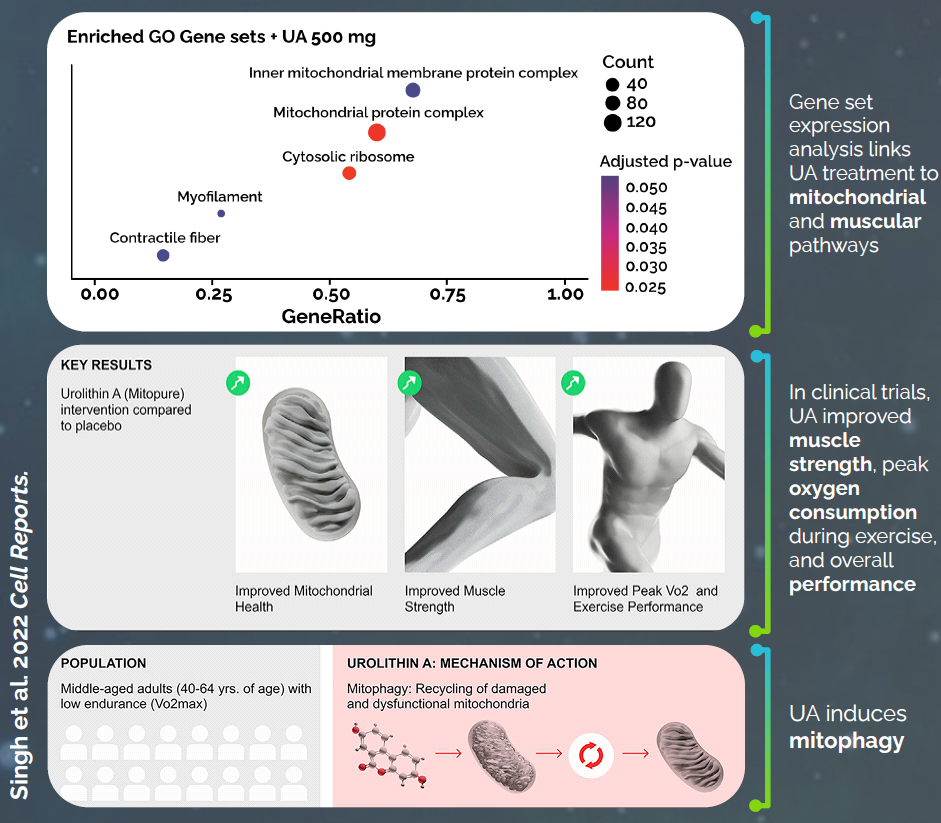
Image Credit: Karthik Mohanraj et al., in partnership with ELRIG (UK) Ltd.
5. Key takeaways
Weeks, not months.
VivoScan™ and WormGazer™ de-risk candidates ahead of costly rodent or clinical studies.
A mechanistic story, not just a hit.
The translatable mechanistic characterization helps build biological confidence in the phenotype, helping partners make informed decisions on which candidates to progress.
Aligned with literature.
Findings are consistent with, and add to, the established evidence that Urolithin A supports mitochondrial health through mitophagy in humans.
A repeatable pipeline.
Urolithin A demonstrates the approach; the same end-to-end pipeline can be applied to any candidate.
About Magnitude Biosciences Ltd.
We are a specialist Contract Research Organisation (CRO) who help industry and academia progress their research projects via our team of expert scientists, C. elegans services and unique automated imaging technology. Our C. elegans studies are customised to answer your key research questions and generate high-quality, reproducible data to accelerate your research project to the next stage.
We were founded in 2018 by a team of the world’s leading C. elegans and automated imaging experts who shared the vision of bringing the benefits of this unique research approach to industry, helping to play our part in accelerating the development of new drug therapies and other research advances to improve human and environmental health. Although there are many C. elegans academic labs around the world, there are very few commercial labs that exist to apply the benefits of C. elegans research to the biotechnology and consumer goods industries.
We help biotechnology companies, pharmaceutical companies, health products companies, manufacturing (including agri-manufacturing and green manufacturing) and anyone else doing Research and Development (R&D) who can benefit from our C. elegans healthspan technology and expertise.
Our key research areas include early preclinical drug discovery projects, microbiome, ageing, neurodegeneration and neurodegenerative diseases, environmental toxicity, reproductive toxicity, and C. elegans transgenics.
About ELRIG (UK) Ltd.
The European Laboratory Research & Innovation Group (ELRIG) is a leading European not-for-profit organization that exists to provide outstanding scientific content to the life science community. The foundation of the organization is based on the use and application of automation, robotics and instrumentation in life science laboratories, but over time, we have evolved to respond to the needs of biopharma by developing scientific programs that focus on cutting-edge research areas that have the potential to revolutionize drug discovery.
Comprised of a global community of over 12,000 life science professionals, participating in our events, whether it be at one of our scientific conferences or one of our networking meetings, will enable any of our community to exchange information, within disciplines and across academic and biopharmaceutical organizations, on an open access basis, as all our events are free-of-charge to attend!
Our values
Our values are to always ensure the highest quality of content and that content will be made readily accessible to all, and that we will always be an inclusive organization, serving a diverse scientific network. In addition, ELRIG will always be a volunteer led organization, run by and for the life sciences community, on a not-for-profit basis.
Our purpose
ELRIG is a company whose purpose is to bring the life science and drug discovery communities together to learn, share, connect, innovate and collaborate, on an open access basis. We achieve this through the provision of world class conferences, networking events, webinars and digital content.
Sponsored Content Policy: News-Medical.net publishes articles and related content that may be derived from sources where we have existing commercial relationships, provided such content adds value to the core editorial ethos of News-Medical.net, which is to educate and inform site visitors interested in medical research, science, medical devices and treatments.
Last Updated: Oct 29, 2026