From SelvitaReviewed by Olivia Frost
This article and associated images are based on a poster originally authored by Winn, K., Dadacz-Narloch, B., Leśniak, K., Gostyńska, N., Lempart, Z. Novokmet, M., Milutinović, V., Srakočić, S., Butorac, A., Pavičić, N., Stražić Geljić, I., Kruczek, S. and Olszewski, M.B. and presented at ELRIG Drug Discovery 2026 in affiliation with Selvita.
This poster is being hosted on this website in its raw form, without modifications. It has not undergone peer review but has been reviewed to meet AZoNetwork's editorial quality standards. The information contained is for informational purposes only and should not be considered validated by independent peer assessment.

Average lifespans are, on the whole, increasing worldwide, but people are continuing to face poor health as they age. Understanding the pathologies underlying the aging process and the possibility of intervening early with new or repurposed medications could reduce the financial burden of healthcare and extend the time we can live productively and in good health.
Although the 12 proposed hallmarks of aging, including the influence of the microbiome, have been widely discussed, fully understanding these underlying biological processes and defining areas where chronic therapies can safely intervene is key.
High content screening (HCS) technologies, including microscopy and mass spectrometry-based imaging (MSI), comprise a powerful set of analytical methods, yielding biologically relevant, statistically robust data that are amenable to high-throughput analysis.
Such technologies enable screening of novel types of phenotypic and disease-relevant assays in a multiplexed manner. When coupled with artificial intelligence (AI) and omics platforms using disease-relevant patient tissues, they can prove a powerful tool for broadening understanding of healthy aging and identifying therapeutic interventions.
This research outlines case study examples of where HCS can be applied to explore a selection of pathologies associated with aging, including senescence, mitochondrial dysfunction, and epigenetic changes.
Cellular senescence: Models of replicative senescence
Monitoring cellular senescence via measurement of multiple biomarkers
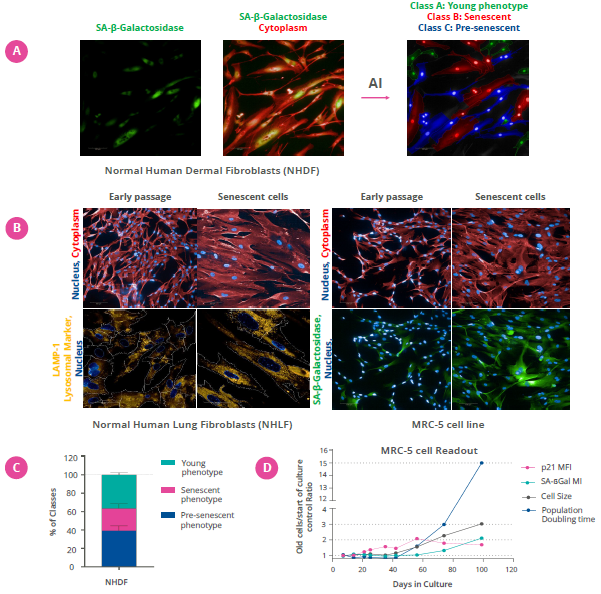
Figure 1. Identification of senescence using high-content screening and a human-supervised AI model. Image Credit: Image courtesy of Winn, K. et al., in partnership with ELRIG (UK) Ltd.
- A) NHDFs were cultured over time, and the senescence phenotype monitored (SA-β-Galactosidase intensity, nuclear shape and DNA content, and cellular morphology).
- B) Cell types assessed included NHDF, NHLF, and MRC-5 cells. Cells were monitored at different passages for senescence.
- C) Different cell populations were identified via an AI model.
- D) The phase of senescence was characterized via multiple markers.
Epigenetics: Post-transcriptional modifications
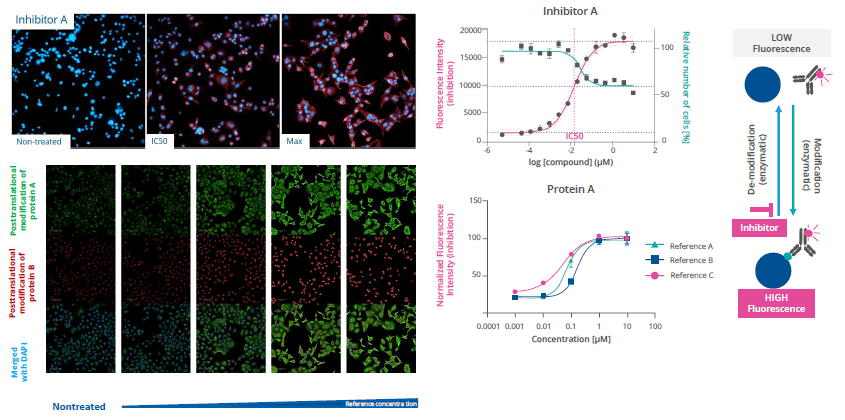
Figure 2. Testing inhibitors of PTMs. Image Credit: Image courtesy of Winn, K. et al., in partnership with ELRIG (UK) Ltd.
Post-translational modifications of proteins such as histones can play a key role in epigenetic changes associated with aging
Altered cellular communication: Inflammaging
Monitoring of glial morphology changes and NFκB translocation
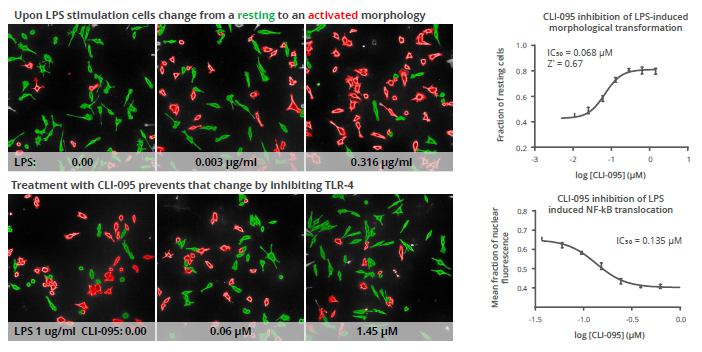
Figure 3. Assessing morphological changes associated with inflammatory and stress responses. Image Credit: Image courtesy of Winn, K. et al., in partnership with ELRIG (UK) Ltd.
In the elderly, LPS-induced immune activation is a trigger that can result in an exaggerated production of proinflammatory cytokines in the brain. These heightened inflammatory and stress responses during aging activate NFκB.
This study demonstrates measurement of LPS-induced NFκB translocation and its inhibition by CLI-095. Cellular models of inflammation, measurement of cytokines, chemokines, intracellular signaling events, and immune cell activation using primary immune cells are used to assess inflammaging.
Mitochondrial dysfunction: AI-supported classification of mitochondrial structures
Human-supervised AI model building in Harmony-PhenoLOGIC software (Revvity)
AI training and analysis workflow
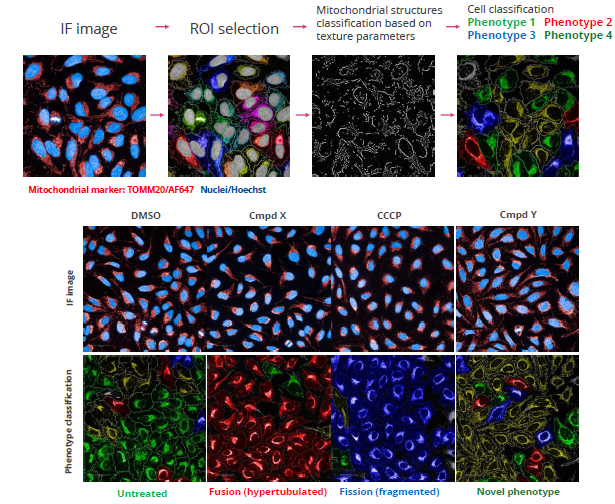
Figure 4. Human-supervised AI model of mitochondrial dysfunction. Image Credit: Image courtesy of Winn, K. et al., in partnership with ELRIG (UK) Ltd.
Dysfunctional mitochondria and oxidative stress are meaningful hallmarks of senescence and aging: impaired mitochondrial morphology, changes in mitochondrial mass and membrane potential, and disturbance of the fusion-fission process are characteristic of senescent cells.
A human-supervised AI model, based on the analysis of texture parameters, aided the classification of mitochondrial structures and the identification of novel phenotypes.
Mitochondrial membrane potential
TMRE (tetramethylrhodamine ethyl ester) assay
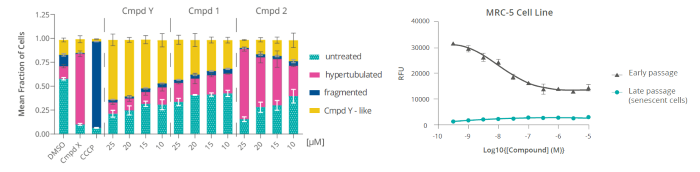
Figure 5. Measurement of mitochondrial depolarization. Image Credit: Image courtesy of Winn, K. et al., in partnership with ELRIG (UK) Ltd.
TMRE is a cell-permeant, positively charged, red-orange dye that accumulates in active mitochondria. Depolarized or inactive mitochondria have decreased membrane potential and fail to sequester TMRE.
Mitochondrial dysfunction and MAFLD
Chronic overload of liver free fatty acids (FFAs) impairs mitochondrial ATP and electron transport chain function
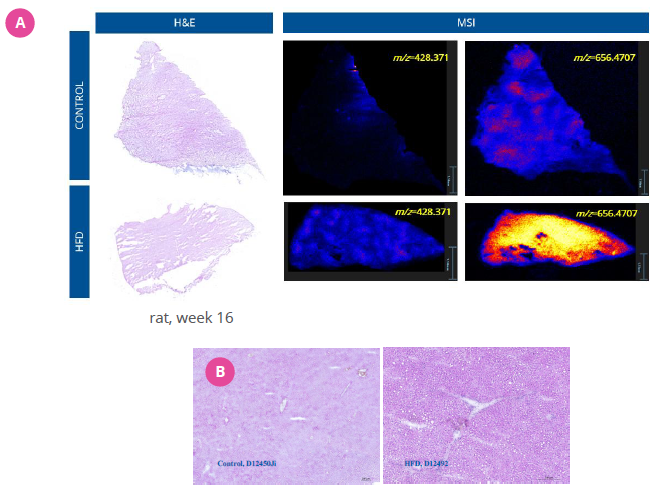
Figure 6. Spatial analysis of lipid biomarkers in control and MASH livers using mass spectrometry imaging (MSI). Image Credit: Image courtesy of Winn, K. et al., in partnership with ELRIG (UK) Ltd.
MAFLD is linked to oxidative damage from significant accumulation of ROS following mitochondrial damage.
- A) CAR 18:0 (m/z 428.371; putative annotation) is elevated in the liver in a MASH animal model (rat DIO week16). It is a marker for MASH in human plasma and plays a pathophysiological role in human NASH/HCC; fatty acid oxidation in mitochondria. Other, more aging-specific CARs can also be measured in tissues, such as C18:1 / 3 / 4.
- B) Livers from diet-induced obesity (DIO) fed D12492 vs. D12450Ji control.
Summary
Profiling molecules with the potential to modulate or delay the progression of aging-related morbidities is an exciting area of drug discovery. The discovery of broad-spectrum agents that are well tolerated and efficacious would show real promise in tackling age-related chronic conditions.
Selvita is well-placed to support projects to identify new targets, explore disease pathology, deliver translational models, and search for new therapeutics in the healthy aging space, particularly via translational technologies such as high-content imaging and MSI.
About Selvita
Selvita is a leading European CRO supporting pharma and biotech companies with flexible, science-driven R&D services. We offer integrated or standalone solutions in drug discovery, preclinical studies, and GMP/GLP-compliant analytical development. With strong expertise across early to late development stages, we help accelerate new therapies by delivering high-quality data that enables smart decisions and faster time to market.
About ELRIG (UK) Ltd.
The European Laboratory Research & Innovation Group (ELRIG) is a leading European not-for-profit organization that exists to provide outstanding scientific content to the life science community. The foundation of the organization is based on the use and application of automation, robotics and instrumentation in life science laboratories, but over time, we have evolved to respond to the needs of biopharma by developing scientific programmes that focus on cutting-edge research areas that have the potential to revolutionize drug discovery.
Comprised of a global community of over 12,000 life science professionals, participating in our events, whether it be at one of our scientific conferences or one of our networking meetings, will enable any of our community to exchange information, within disciplines and across academic and biopharmaceutical organizations, on an open access basis, as all our events are free-of-charge to attend!
Our values
Our values are to always ensure the highest quality of content and that content will be made readily accessible to all, and that we will always be an inclusive organization, serving a diverse scientific network. In addition, ELRIG will always be a volunteer led organization, run by and for the life sciences community, on a not-for-profit basis.
Our purpose
ELRIG is a company whose purpose is to bring the life science and drug discovery communities together to learn, share, connect, innovate and collaborate, on an open access basis. We achieve this through the provision of world class conferences, networking events, webinars and digital content.
Sponsored Content Policy: News-Medical.net publishes articles and related content that may be derived from sources where we have existing commercial relationships, provided such content adds value to the core editorial ethos of News-Medical.net, which is to educate and inform site visitors interested in medical research, science, medical devices and treatments.
Last Updated: Nov 3, 2026