Cardiometabolic disease is not a singular entity. Obesity, ectopic fat deposition, insulin resistance, and chronic inflammation are among the common causes of this diverse group of illnesses. It includes diabetes, cardiovascular disease, fatty liver disease, heart failure, and even certain malignancies.
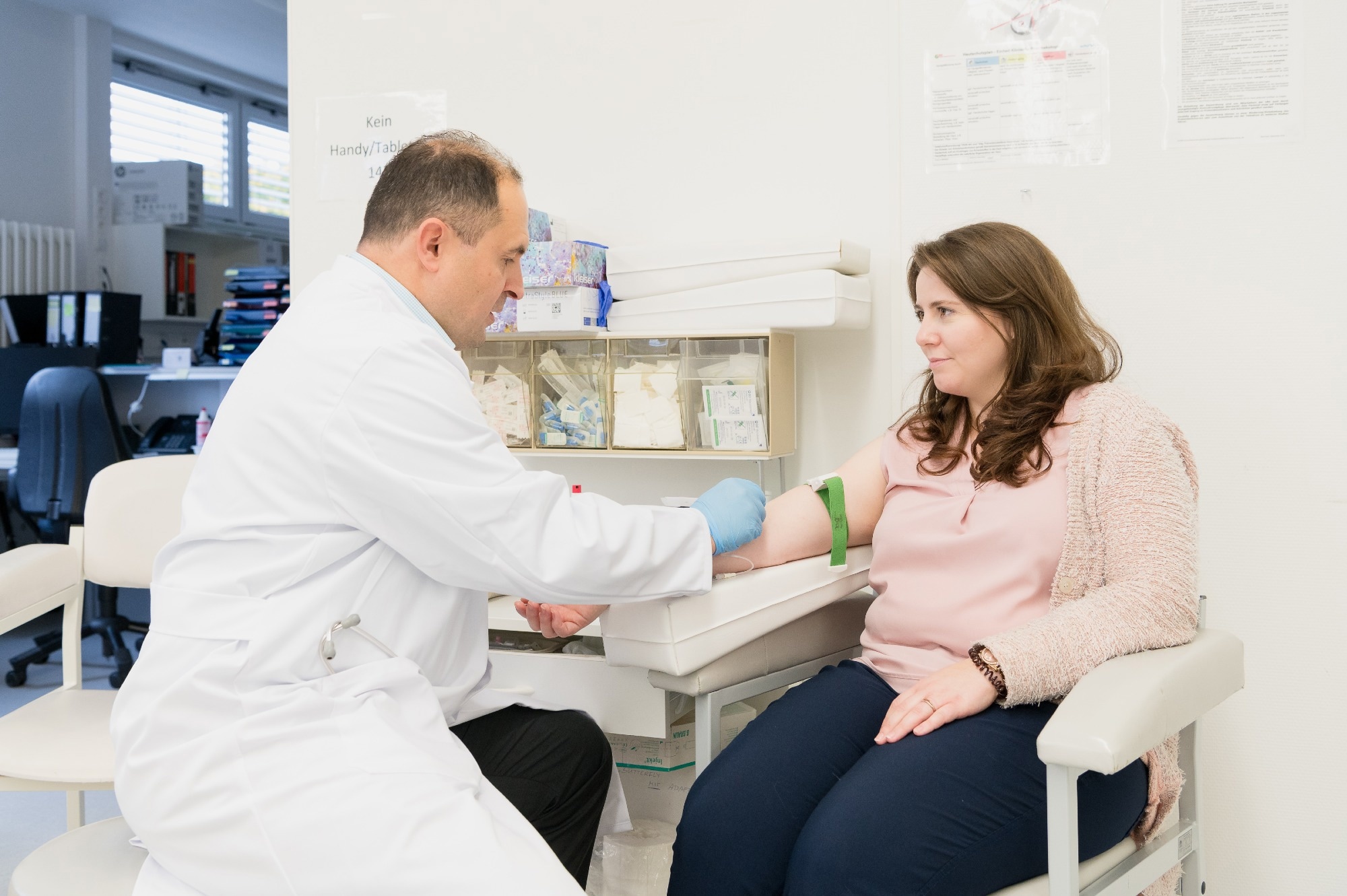 Image Credit: hVIVO
Each condition provides unique obstacles, although they are linked by overlapping pathophysiology. This complication makes cardiometabolic research both scientifically appealing and operationally hard.
Designing and optimizing trials in this sector necessitates meticulous planning, adaptability, and a thorough understanding of endpoints, recruitment realities, and regulatory expectations.
The challenge of endpoints
The selection of endpoints remains one of the most difficult aspects of cardiometabolic trial design. Hard outcomes like cardiovascular events, strokes, and mortality remain the gold standard, but they necessitate lengthy schedules and huge patient populations.
Surrogate endpoints - HbA1c for diabetes, weight loss for obesity, MRI or biopsy for fatty liver, ejection fraction for heart failure - can provide earlier signs, but regulators' acceptability differs. In most circumstances, authorities insist on strict outcomes, while powerful surrogates are occasionally accepted.
The multiplicity of endpoints reflects the disease's variability. A trial intended for diabetes will seem considerably different than one designed for fatty liver or heart failure, despite the fact that they are all cardiometabolic. Sponsors must customize endpoints to the individual indication while keeping regulatory expectations in mind.
Recruitment and retention realities
Recruiting and maintaining individuals for cardiometabolic trials is equally challenging. Patients are generally motivated when the study provides access to medications that they would otherwise be unable to afford. Obesity medications, for example, are not covered in Germany unless the patient has diabetes.
The availability of free medication in anti-obesity trials generates significant interest. However, placebo arms are still a challenge. When patients realize they are not receiving active treatment, retention becomes problematic.
Sponsors often alleviate this by providing extension trials in which placebo patients are subsequently given the active medicine. Shorter trial lengths (three to six months) are also more viable, as patients can be encouraged to participate until they can receive treatment. Long-term placebo experiments are becoming impractical, both ethically and operationally.
Optimization using design innovation
To solve these issues, sponsors are exploring different trial designs. Adaptive designs allow for interim analysis and changes to increase efficiency.
Active comparator trials are becoming more popular, especially as placebo arms are no longer acceptable. Statistical innovation now allows for indirect placebo comparisons by integrating new active-comparator data with older placebo data.
Regulatory agencies are beginning to accept these procedures, but they are still relatively new. These technologies cut schedules, minimize patient burden, and deliver more useful data to sponsors and regulators alike.
The role of assays and early signals
Early phase cardiometabolic research relies heavily on laboratory assays and biomarkers. Although not adequate for regulatory approval, they offer crucial proof-of-concept signals.
Sponsors want to see early proof that a medicine is shifting biological markers in the right direction before committing to huge, expensive Phase III trials. Assays can reveal changes in glucose metabolism, lipid profiles, inflammatory markers, and renal function, providing comfort that the medicine is effective.
This early knowledge helps sponsors decide whether to invest further, reducing the risk of pursuing ineffective candidates. Assay planning should thus be incorporated into trial design from the start, even if endpoints demand difficult results.
Broader infrastructure
hVIVO’s experience in infectious disease and respiratory research has provided it with infrastructure ideally suited for cardiometabolic trials. Decades of experience in Phase I investigations, volunteer administration, and laboratory assay development form a solid foundation.
By combining these skills with cardiometabolic expertise, hVIVO can offer sponsors a broader range of services across indications.
This breadth is becoming increasingly relevant as more businesses develop medications that span multiple therapeutic categories, such as treatments with metabolic and cardiovascular advantages. A unified infrastructure assures consistency, efficiency, and quality across several trial designs.
Looking ahead: Optimism for the future
Despite these obstacles, hVIVO remains enthusiastic about the future of cardiometabolic research. Over the last decade, there has been a remarkable improvement in obesity and diabetes therapy, with medications that provide immediate and apparent outcomes.
Unlike cardiology trials, which can take years to yield modest results, cardiometabolic trials often show weight loss or metabolic improvements within weeks.
This immediacy benefits patients, who notice concrete changes in their health; sponsors, who gain early trust in their programs; and payers, who can justify investing in medicines that produce verifiable results immediately.
For cost-conscious European health systems, demonstrating value within months rather than years is especially appealing. It’s expected that the next generation of cardiometabolic trials will combine scientific rigor and operational agility.
Endpoints will be precisely matched to indications, recruiting techniques will reflect patient realities, and new designs will reduce timeframes while maintaining quality. Assays will continue to provide early signals that guide investment decisions and reduce development risk.
Above all, new medicines could bring immediate and meaningful benefits for patients, improving lives and reducing the burden of illness. That is the promise of cardiometabolic research: challenging work, but rich in opportunity.
Acknowledgments
Produced from materials originally authored by Thomas Forst, Marina Streckebein, and Edis Gasanin from hVIVO.