From cinnamon and turmeric to black pepper and oregano, researchers say common kitchen spices may do far more than add flavor, potentially influencing blood sugar, inflammation, brain function, and even the gut microbiome.
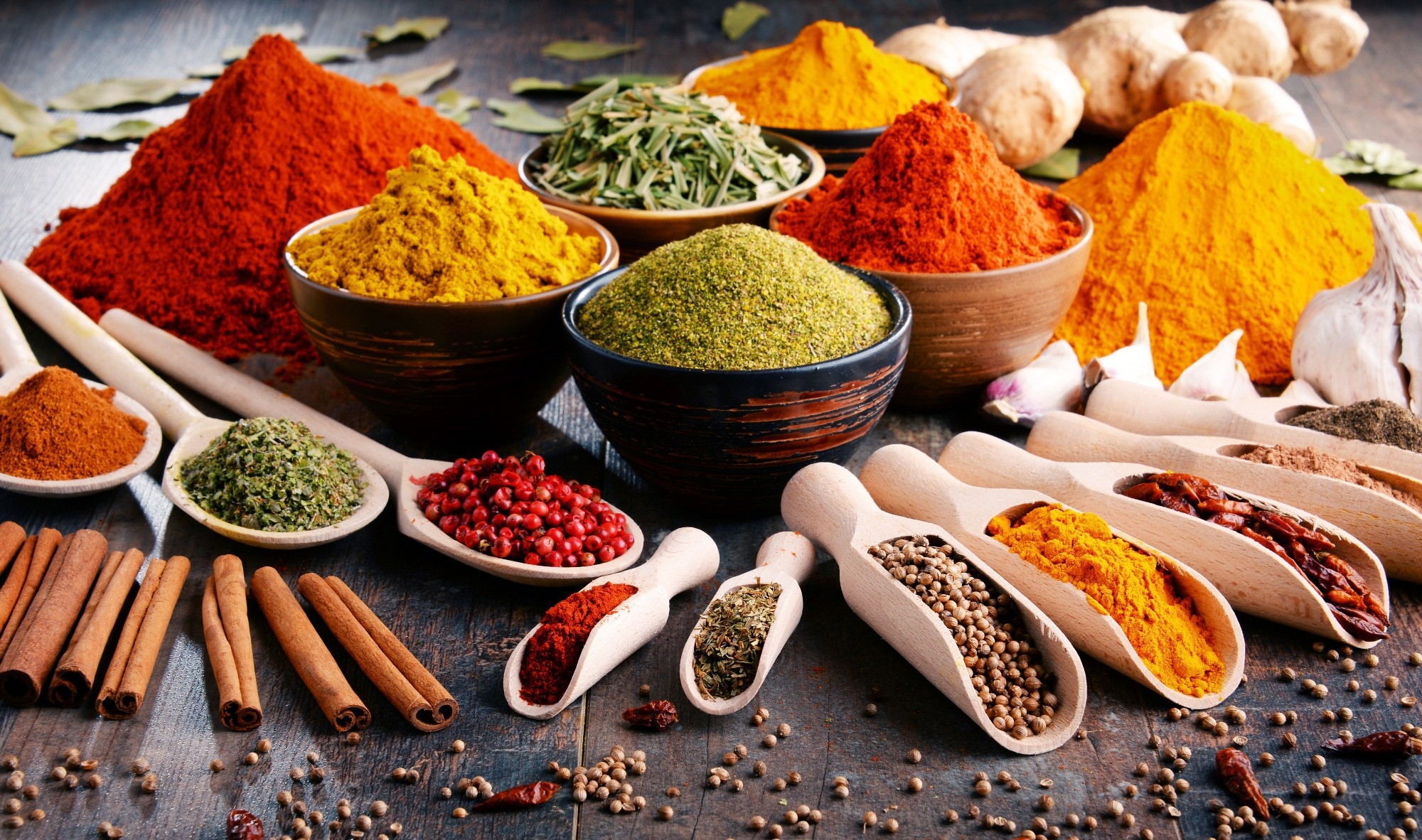 Study: Spices Beyond Antioxidants: From the Gut to the Brain. Image credit: monticello/Shutterstock.com
Researchers reviewed available literature, particularly studies conducted at the University of California–Los Angeles (UCLA) Center for Human Nutrition, to examine the effects of spices and herbs on human health. This review is available in Nutrition Reviews.
Herbs and spices
Herbs and spices have been used worldwide for centuries, with most originating from Mediterranean, Middle Eastern, or Asian countries, dating back to ancient Egypt and Rome. Their primary uses include enhancing food flavor, serving as preservatives, and providing medicinal benefits.
Herbs come from fresh leaves and flowers, while spices are sourced from roots, seeds, bark, stems, berries, or buds and are usually dried. Herbs provide delicate, fresh flavors and are often added at the end of cooking or used raw. Spices have stronger, more concentrated flavors and are used throughout cooking, as well as in marinades and rubs.
Many national dietary guidelines recommend spices to reduce sodium intake. For example, the National Institutes of Health’s Dietary Approaches to Stop Hypertension (DASH) diet suggests replacing salt with spices and herbs to help lower blood pressure. Recent research shows that people who enjoy spicy foods tend to consume less salt and have lower blood pressure.
Polyphenolic compounds in herbs and spices may help reduce oxidative stress, which is caused by excess free radicals and contributes to aging and diseases like cancer and metabolic disorders. Antioxidants in spices, such as phenolic acids, flavonoids, and other secondary metabolites, neutralize free radicals and may help protect against oxidative damage associated with chronic diseases.
Literature review examining the effects of spices on human health
Between 2010 and 2024, eight human trials and 12 in vitro experiments were conducted at UCLA’s Center for Human Nutrition. These studies involved interventions using individual herbs and spices, as well as spice mixes. All relevant articles were identified through manual reference review and PubMed searches on the health effects of each herb or spice.
Health benefits of spices and their underlying mechanisms of action
The health benefits of common spices and their mechanisms of action are discussed below:
Cinnamon
Two clinical trials at UCLA’s Center for Human Nutrition found that cinnamon supplementation reduced postprandial insulin and glucagon levels in both normal-weight and overweight/obese participants. Cinnamon intake was also associated with lower average glucose levels and notable changes in gut microbiome composition compared with placebo. However, some participants also experienced transient increases in blood glucose at certain time points, highlighting the complexity of cinnamon’s metabolic effects. These findings add to broader evidence that cinnamon may help maintain healthy glucose regulation in both healthy individuals and those with type 2 diabetes.
In addition to its effects on blood sugar, cinnamon may provide protection against respiratory and gastrointestinal infections. It also exhibits anti-inflammatory, antioxidant, liver-protective, and neuroprotective properties. The biological mechanisms underlying these benefits include modulation of inflammatory gene expression, inhibition of inflammatory enzymes, and modulation of various cellular signaling pathways related to metabolism, insulin sensitivity, and cellular defense. Cinnamaldehyde, a principal active compound in cinnamon, is thought to play a pivotal role in these protective effects.
Red pepper
Capsaicin in chili peppers stimulates thermogenesis but can cause serious gastrointestinal side effects at effective doses. Nonpungent CH-19 sweet red peppers contain capsinoids such as dihydrocapsiate (DCT), which may provide similar metabolic benefits without these side effects. DCT activates TRPV1 receptors in the gut, triggering the sympathetic nervous system and potentially increasing thermogenesis and fat metabolism. Extracts from CH-19 sweet pepper may help increase thermogenesis, oxygen consumption, sympathetic nervous system activity, and support weight loss.
A 2010 UCLA study found that while all overweight and obese participants on a low-calorie diet lost weight, only the group receiving 9 mg DCT showed a significant increase in post-meal energy expenditure. DCT may boost thermogenesis and fat oxidation. However, more recent studies found that DCT did not significantly affect energy expenditure or fat oxidation during exercise or at rest, though a small thermic effect was noted when combining groups.
Turmeric
A 2014 UCLA study demonstrated that combining arctigenin, epigallocatechin gallate (EGCG), and curcumin enhanced anti-cancer effects in prostate and breast cancer cells compared to any single compound. This combination led to increased cancer cell death and greater suppression of cancer-promoting pathways. In a separate 2018 UCLA study, daily supplementation with a bioavailable form of curcumin over 18 months improved memory, attention, and mood in older adults, while also showing imaging changes potentially associated with amyloid and tau accumulation.
Additional research shows that curcumin alleviates knee pain in patients with osteoarthritis and improves cholesterol profiles in patients with metabolic syndrome by increasing high-density lipoprotein (HDL) levels and lowering low-density lipoprotein (LDL) levels. Mechanistically, curcumin acts as a potent antioxidant, neutralizing free radicals and boosting the body’s antioxidant enzymes. It also inhibits key inflammatory pathways and promotes cancer cell death by inducing cell cycle arrest and apoptosis.
Spice mixes
In vitro and clinical studies have demonstrated that spice mixtures, including black pepper, cayenne, cinnamon, ginger, oregano, rosemary, and turmeric, are rich in polyphenols that promote the growth of beneficial gut bacteria, such as lactobacilli and bifidobacteria, while inhibiting the growth of certain potentially pathogenic bacteria.
Research from UCLA further supports these findings, showing that incorporating polyphenol-rich spices into meat before cooking significantly reduces markers of lipid peroxidation, as indicated by lower malondialdehyde (MDA) concentrations. Spice polyphenols also help decrease markers of oxidative stress and improve endothelial function.
Notably, antioxidant activity varies among spices and preparation methods; for example, oregano exhibits the highest antioxidant capacity. Turmeric’s curcumin retains its effectiveness after cooking, and when combined with black pepper, its effects on reducing lipid peroxidation during cooking are enhanced, even though piperine alone does not possess antioxidant properties.
Conclusions
While research has highlighted the many potential health benefits of herbs and spices, much remains to be learned about their effects in real-world dietary patterns. As natural, widely available ingredients, they offer promising opportunities for improving public health, but further well-designed studies are needed to clarify their roles and inform future recommendations.
The review also emphasizes that many laboratory studies use doses higher than those typically consumed in everyday diets, and that cooking methods, digestion, metabolism, and interactions with other foods may influence the bioavailability and effectiveness of spice-derived compounds.
Ultimately, a greater focus on herbs and spices in nutrition research may yield practical strategies to support healthier food choices and promote long-term health.
Download your PDF copy by clicking here.
 New 3D lipid atlas maps the chemistry of mouse brains