Introduction
What is the gut microbiome?
How diet influences the gut microbiome
Microbial metabolites and health outcomes
Diet, microbiome, and disease risk
Individual variability
Short-term vs. long-term dietary changes
Limitations and research gaps
References
Further reading
Diet plays a central role in shaping the gut microbiome, influencing immune function, metabolism, and disease risk through microbial diversity and metabolite production. Long-term dietary patterns, especially plant-based and Mediterranean diets, promote beneficial microbes and metabolites, while Western diets are linked to dysbiosis and inflammation.
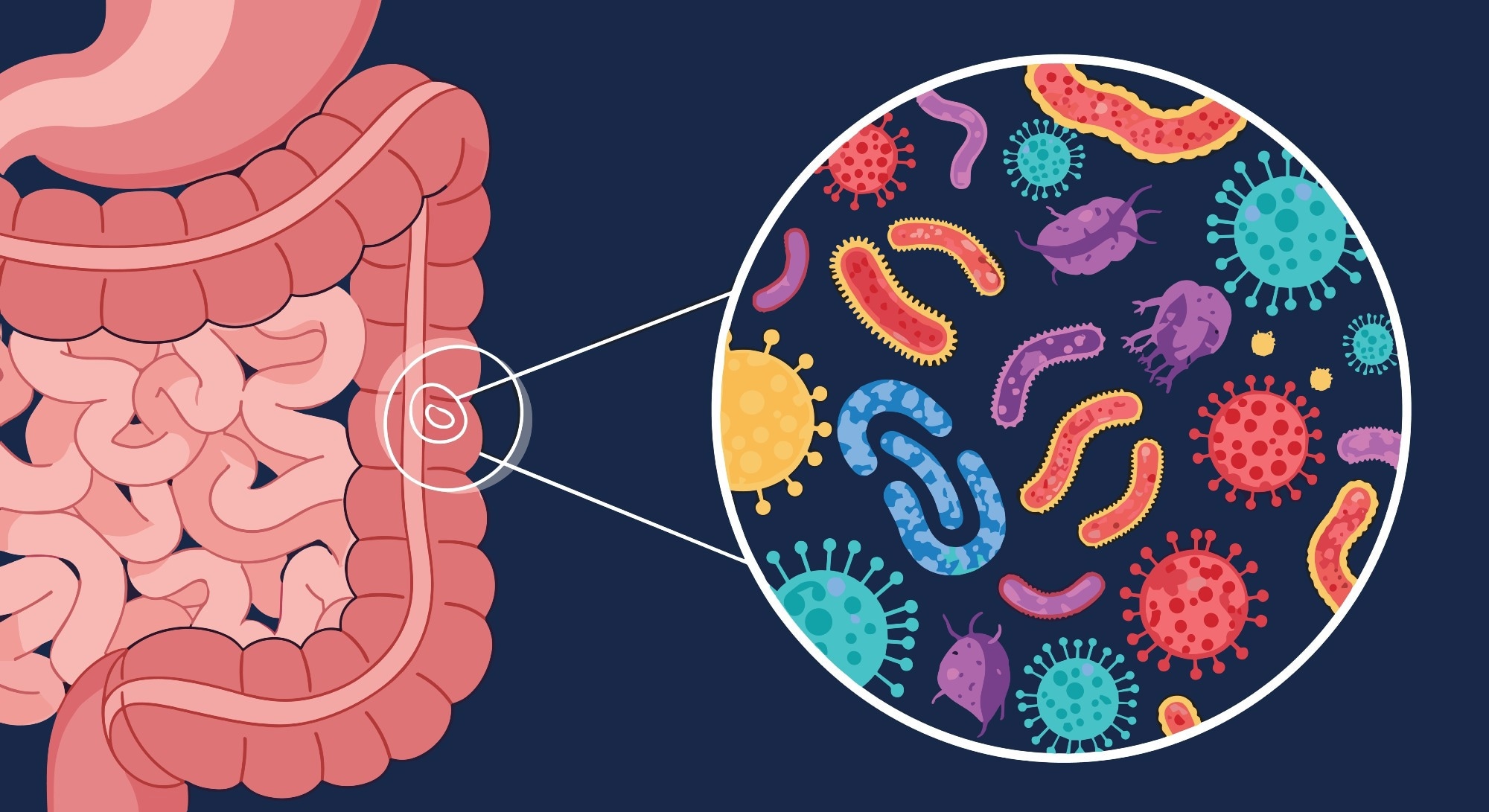
Image Credit: Shobujsk / Shutterstock.com
Introduction
Diet is one of the most important modifiable determinants of gut microbiome composition and function. By regulating microbial diversity and metabolite production, dietary patterns influence gastrointestinal health, immune regulation, metabolic homeostasis, and chronic disease risk through complex host–microbe interactions involving microbial metabolism and immune signaling pathways.3,5
What is the gut microbiome?
The gut microbiome consists of bacteria, viruses, and fungi present throughout the gastrointestinal (GI) tract that influence digestion, metabolism, and immune function. Firmicutes and Bacteroidetes account for 90% of the gut microbiota, with other major phyla including Actinobacteria, Proteobacteria, and Verrucomicrobia.1 These microorganisms collectively encode a gene pool far exceeding that of the human genome, enabling extensive metabolic capabilities.5
Gut microbiome composition is strongly influenced but not fully determined by dietary factors, as some foods promote the proliferation of commensal bacteria, whereas other dietary products, such as ultra-processed foods (UPFs), favor the growth of opportunistic species and alter microbial metabolic outputs.5
Gut dysbiosis is defined as an imbalance in the composition, diversity, or function of the microbiome. This condition is typically characterized by reduced levels of beneficial microorganisms accompanied by the overgrowth of potentially pathogenic bacteria. Microbial imbalance contributes to metabolic dysfunction, GI distress, and inflammation, and has been linked to chronic diseases such as obesity, diabetes, and inflammatory bowel disease.1,6
How diet influences the gut microbiome
Intestinal microorganisms utilize dietary nutrients, particularly non-digestible carbohydrates, as well as some proteins and fats, as energy sources and metabolic substrates, thereby shaping microbial composition and functional pathways.3 For example, when dietary fiber is insufficient, some microbes may shift toward degrading mucus glycans, which can weaken the mucus barrier and potentially increase intestinal permeability. Comparatively, fiber intake enhances the production of short-chain fatty acids (SCFAs) that enhance mucin production and modify tight junctions to strengthen the gut barrier.1
Gut microorganisms interact with a variety of immune cells within the lamina propria to confer protection against pathogenic infection and maintain intestinal barrier integrity. As a result, gut dysbiosis is implicated in numerous immune-related diseases ranging from rheumatoid arthritis and multiple sclerosis to type 1 diabetes and inflammatory bowel disease (IBD).2
Specifically, reduced SCFA production can impair regulatory T (Treg) cell activity and immune homeostasis, thus emphasizing the essential role of dietary fiber in supporting immune function and maintaining epithelial barrier integrity.5 In contrast, Western dietary patterns that are high in saturated fats, refined sugars, and UPFs increase the risk of gut dysbiosis, compromised intestinal barrier function, and systemic inflammation6.
How the food you eat affects your gut - Shilpa Ravella
Gut microbes metabolize dietary nutrients to produce bioactive compounds that influence host health. For example, fiber digestion leads to the generation of short-chain fatty acids (SCFAs) that maintain the integrity of the intestinal barrier, thereby supporting immune function and metabolic health.
In addition to SCFAs, microbial metabolism generates compounds such as trimethylamine (TMA), which is converted in the liver to trimethylamine-N-oxide (TMAO), and secondary bile acids that can influence cardiometabolic and inflammatory pathways.3
Gut dysbiosis can reduce the production of beneficial microbial metabolites like SCFAs, while simultaneously altering the balance of other metabolites involved in host metabolism. Lower SCFA levels are associated with impaired barrier function and increased inflammatory signaling. This hyperinflammatory state can influence lipid reserves in the body, increasing triglycerides (TG) and low-density lipoprotein (LDL).5
Diet, microbiome, and disease risk
Unhealthy dietary habits characterized by greater intake of high-fat, high-sugar, processed foods are consistently linked to lower microbial diversity that subsequently affects glucose and fat metabolism. Compared with diverse microbiomes supported by plant-based foods and Mediterranean-style diets, those supported by animal-based foods are associated with reduced insulin sensitivity and lipid balance, both of which can increase inflammation.4,6
Prospective cohort evidence further suggests that long-term adherence to plant-based dietary patterns is associated with specific microbial signatures that correlate with improved cardiometabolic biomarkers.6 Mediterranean dietary patterns, which emphasize fruits, vegetables, legumes, whole grains, nuts, olive oil, and fish, have also been associated with higher microbial diversity, greater SCFA production, lower TMAO levels, and reduced inflammatory burden.2,5
Gut dysbiosis is often characterized by the proliferation of bacteria that produce harmful metabolites, such as trimethylamine-N-oxide (TMAO) and phenylacetylglutamine (PAG). Both TMAO and PAG have been associated with increased risk of cardiovascular events like heart attack and stroke, thus demonstrating the importance of diet quality on gut microbiome composition and, as a result, influence on overall health.2 An imbalanced microbiome also increases the risk of gastrointestinal conditions like IBD and other inflammatory gut disorders.1
A low intake of dietary fiber, characteristic of Western diets, leads to reduced production of beneficial SCFAs, aggravates intestinal inflammation, and compromises gut barrier integrity.4
Individual variability
The baseline composition of the gut microbiome is unique to each individual, which contributes to a wide range of metabolic phenotypes. For example, the high abundance of Prevotella is associated with different glycemic responses to specific high-fiber foods, as evidenced by lower post-meal blood glucose spikes.4
Other factors like age, genetics, and the environment can influence microbiome structure and activity. Seeding of the microbiome begins at birth, depending on vaginal or cesarean delivery, and continues throughout infancy and adulthood, followed by a gradual decline in old age. Environmental factors, including geography and lifestyle, as well as the use of medications like antibiotics, can further alter microbiome composition.1
These differences emphasize the importance of personalized nutrition that incorporates data-based recommendations for individual microbiomes and reflects evidence that microbial responses to dietary interventions can vary significantly between individuals.3 Identifying inter-individual differences in microbial profiles can predict dietary responses, identify high-risk individuals, and guide more targeted nutrition strategies.4
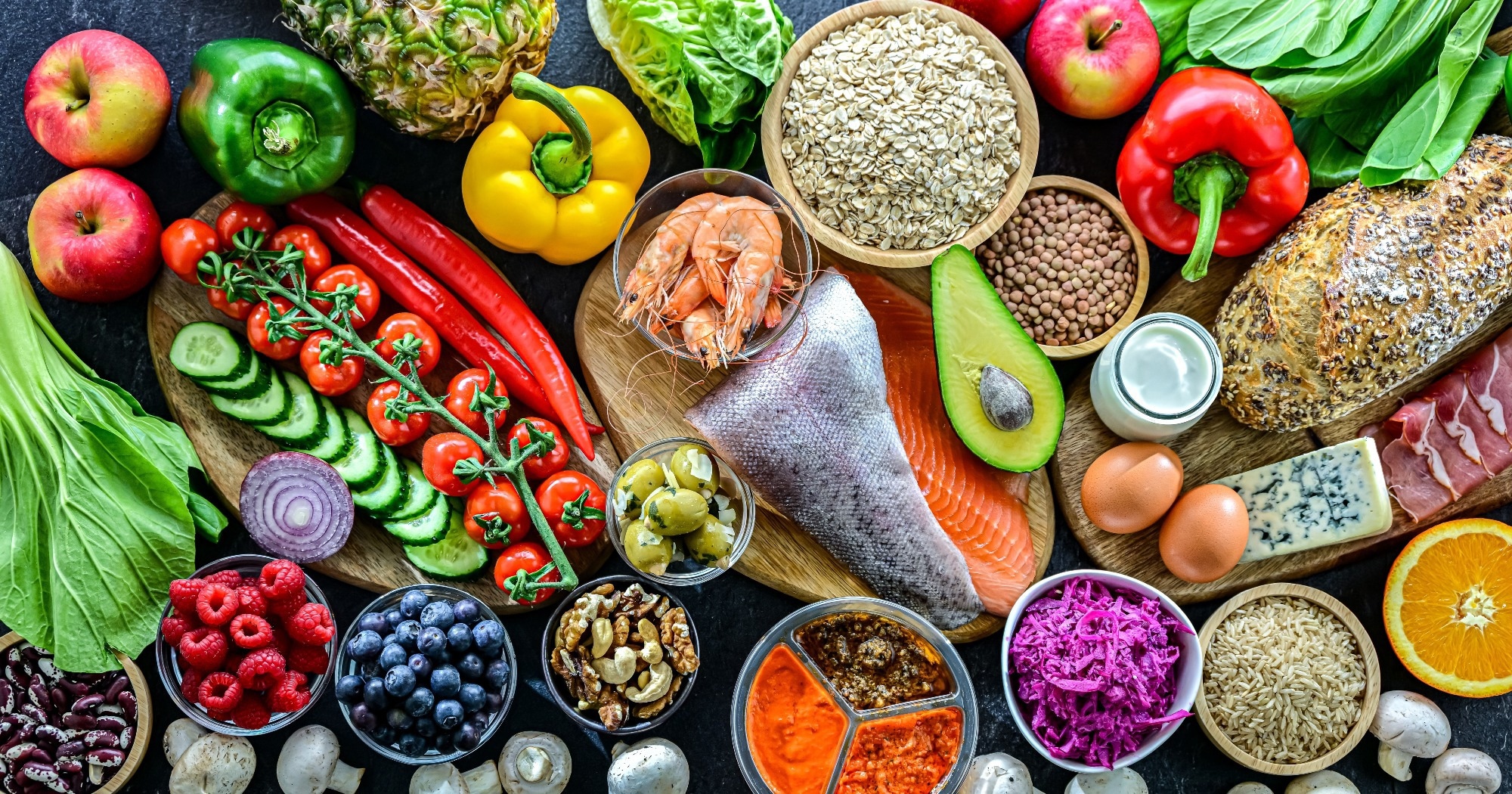 Image Credit: monticello / Shutterstock.com
Short-term vs. long-term dietary changes
Dietary changes can have both short- and long-term effects on the gut and overall health. Microbial composition can respond to dietary changes within days, reflecting rapid shifts in available substrates,3 whereas acute effects of consuming foods like dairy and vegetable oils alter alpha diversity and metabolic variations, which usually reverse within a few days.3
Comparatively, the habitual consumption of specific foods can determine beta diversity, as exemplified by lower Enterococcaceae levels among vegetarians and vegans. These microbial changes lower C-reactive protein (CRP) levels while enhancing high-density lipoprotein (HDL) activity, suggesting anti-inflammatory benefits of plant-based dietary patterns.6
Dietary patterns that emphasize the consumption of high-fiber foods increase the abundance of beneficial bacteria like Faecalibacterium prausnitzii that promote anti-inflammatory effects and mucosal healing. Limiting the intake of ultra-processed foods and saturated fats further supports microbial activity and may reduce production of inflammatory molecules like trimethylamine-N-oxide (TMAO).1
Although microbial shifts may occur rapidly, microbiome-mediated changes in host biomarkers or disease outcomes often require longer follow-up and remain harder to prove causally.3
Limitations and research gaps
Published studies on the relationship between dietary habits and microbiome composition are associated with numerous limitations, including variable design, methodology, and a lack of standardized dietary indices. Most studies have been observational and small-scale with brief durations, which limits causal interpretation.
Large-scale randomized controlled trials (RCTs) with extended follow-up periods are needed to validate and improve the generalizability of existing findings. Additionally, integrating longitudinal sampling and standardized dietary assessment methods is critical for improving study reliability.3 Future studies should also integrate multi-omics to clarify causal links between diet, microbial function, and health. Strengthening this evidence base has the potential to accelerate the clinical translation of microbiome-targeted nutrition practices for disease management.5
References
- Zhang, P. (2022). Influence of Foods and Nutrition on the Gut Microbiome and Implications for Intestinal Health. International Journal of Molecular Sciences 23(17); 9588. DOI: 10.3390/ijms23179588. https://www.mdpi.com/1422-0067/23/17/9588
- Soldán, M., Argalášová, Ľ., Hadvinová, L., et al. (2024). The Effect of Dietary Types on Gut Microbiota Composition and Development of Non-Communicable Diseases: A Narrative Review. Nutrients 16(18); 3134. DOI: 10.3390/nu16183134. https://www.mdpi.com/2072-6643/16/18/3134
- Zhang, L., Tuoliken, H., Li, J., & Gao, H. (2024). Diet, gut microbiota, and health: A review. Food Science and Biotechnology 34(10); 2087. DOI: 10.1007/s10068-024-01759-x. https://link.springer.com/article/10.1007/s10068-024-01759-x
- Johnson, A. J., Zheng, J. J., Kang, J. W., et al. (2020). A Guide to Diet-Microbiome Study Design. Frontiers in Nutrition 7. DOI: 10.3389/fnut.2020.00079. https://www.frontiersin.org/journals/nutrition/articles/10.3389/fnut.2020.00079/full
- Rondinella, D., Margarita, E., Raoul, P. C., et al. (2026). The impact of diet on gut microbiome composition: Implications for immune-mediated diseases. Clinical Immunology Communications 9; 1-11. DOI: 10.1016/j.clicom.2025.12.001. https://www.sciencedirect.com/science/article/pii/S2772613425000241
- Miao, Z. et al. (2022). Gut microbiota signatures of long-term and short-term plant-based dietary pattern and cardiometabolic health: A prospective cohort study. BMC Medicine, 20, 204. DOI: 10.1186/s12916-022-02402-4. https://link.springer.com/article/10.1186/s12916-022-02402-4
Further Reading
Last Updated: Apr 30, 2026