Introduction
What is taurine?
Physiological roles of taurine
Potential health risks of taurine deficiency
Causes and risk factors
Who may be most at risk?
Conclusions
References
Further reading
Explore how taurine supports vital organ function and why even subtle deficiencies may influence long-term health and disease risk.
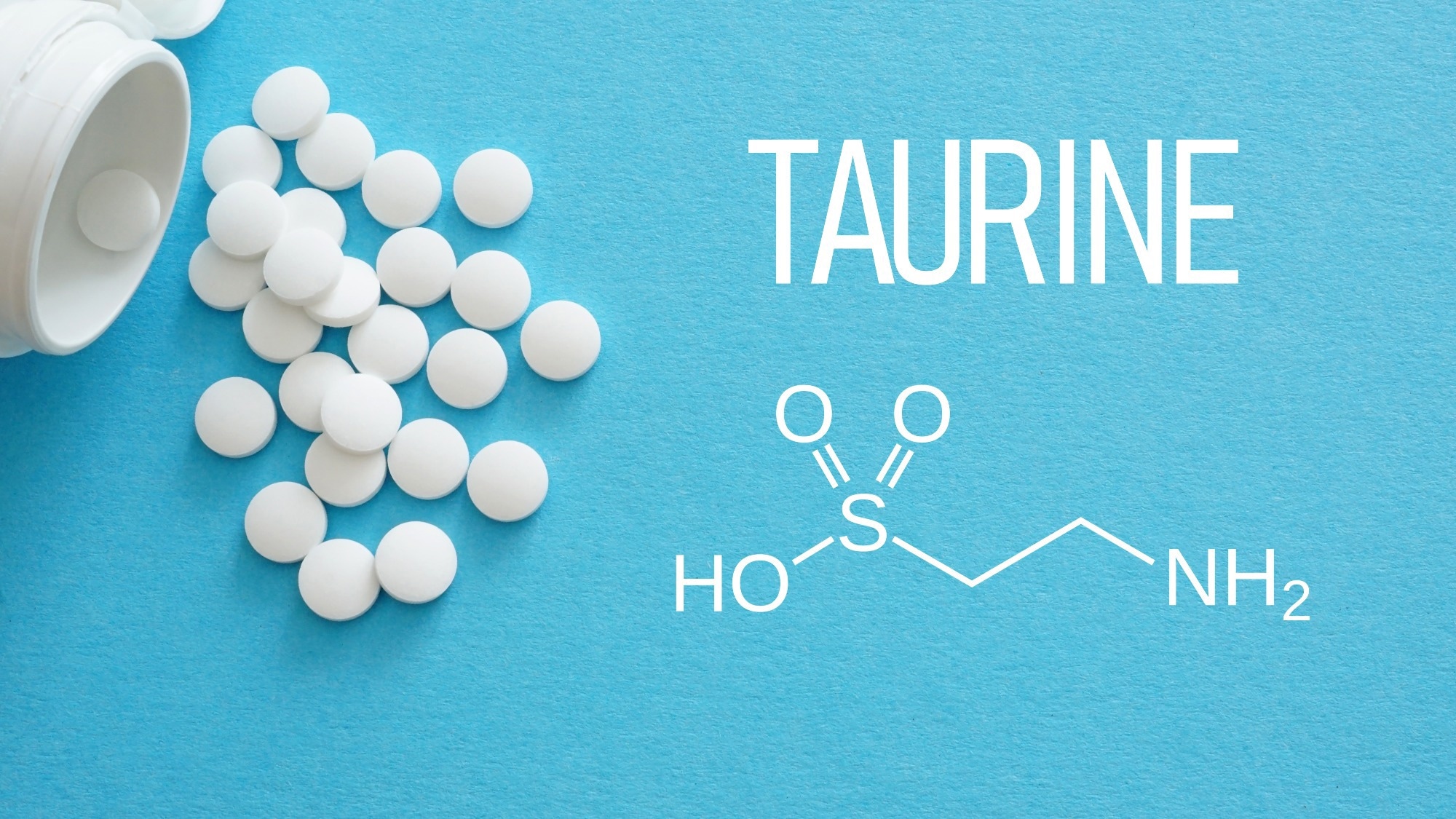 Image Credit: Jack_the_sparrow / Shutterstock.com
Introduction
This article explains the role of taurine in cardiovascular, neurological, metabolic, and retinal health, as well as the causes, symptoms, risk factors, and health effects of taurine deficiency. It also considers the strengths and limitations of current evidence, including findings from animal models and the relatively limited number of documented human deficiency states.1-3
What is taurine?
Taurine is a conditionally essential, non-proteinogenic amino acid primarily found in the brain, heart, retina, and skeletal muscle.1,2 Taurine can be made endogenously or obtained from dietary sources like meat and dairy, with the highest levels of taurine found in shellfish and other seafood.
Structurally, taurine is characterized as a beta-amino acid that contains a sulfonic acid group attached to the beta carbon. Unlike standard amino acids, taurine is not incorporated into proteins; instead, it exists freely within tissues, thereby facilitating its involvement in a wide range of physiological processes.1
Taurine is endogenously produced through the cysteine sulfinic pathway in the liver. During this reaction, cysteine undergoes oxidation by cysteine dioxygenase, following which the product cysteine sulfinic acid is decarboxylated into hypotaurine, the immediate precursor to taurine. Trans-sulfuration can also transform homocysteine to ultimately produce taurine by relying on cystathionine gamma-lyase, cysteine dioxygenase, and cysteine sulfinic acid decarboxylase enzymatic activity.3
Physiological roles of taurine
Metabolically active tissues like the heart, brain, and retina contain high levels of taurine due to its involvement in cell homeostasis. Accounting for about 50% of total free amino acids in the heart, taurine supports vascular health through its impact on blood pressure, cardiac contractility, and vascular function.3 These effects are thought to be mediated in part through modulation of intracellular calcium handling, osmoregulation, and mitochondrial homeostasis.1,3 Specifically, taurine promotes nitric oxide (NO) production and reduces endothelial dysfunction to mitigate inflammation, improve blood flow, and enhance vascular relaxation.
Taurine functions as an osmolyte to maintain cellular stability and volume, in addition to its role in bile acid conjugation in the liver that facilitates lipid metabolism, as well as the absorption of fat-soluble vitamins.1,2 Taurine may also improve insulin sensitivity, reduce circulating triglyceride levels, and enhance exercise capacity. However, the magnitude of these effects may vary across populations, physiological states, and study designs.2
Within the brain, taurine participates in calcium signaling, influencing neuron excitability and synaptic transmission. It also interacts with GABAergic and glycinergic systems, contributing to inhibitory neurotransmission.3 Overall, the neuromodulatory potential of taurine indicates its active role in cognitive processes, mood, behavior, memory, learning, and anxiety regulation.
Taurine exhibits antioxidant activity by scavenging free radicals and reactive oxygen species (ROS) to protect cells from oxidative and nitrosative stress. Additionally, taurine can form taurine chloramine, which has anti-inflammatory properties and may help regulate immune responses.3 Furthermore, the antioxidant properties of taurine confer neuroprotective effects by limiting neuronal apoptosis and inflammation, suggesting its potential implications in neurodegenerative disease and recovery from traumatic brain injury.3
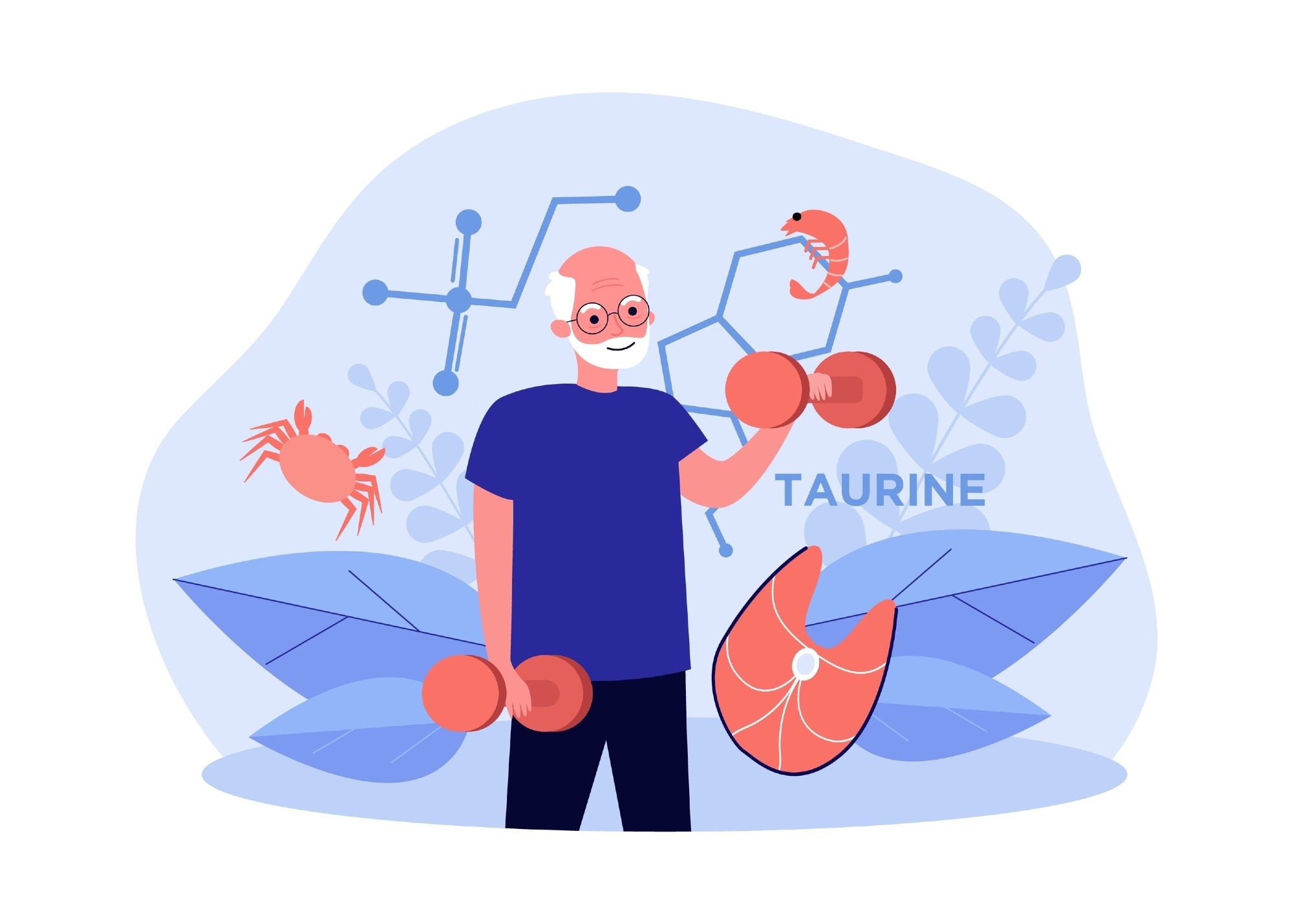 Image Credit: BRO.vector / Shutterstock.com
Potential health risks of taurine deficiency
In the heart, taurine is important for calcium balance and antioxidant defense.2 Taurine deficiency can impair cardiovascular function, increasing the risk of dilated cardiomyopathy, characterized by reduced cardiac contractility and impaired heart function. Clinical symptoms may include fatigue, shortness of breath, and reduced exercise tolerance.1
Taurine is also highly concentrated in the retina to protect it from oxidative stress. Prolonged taurine deficiency can cause retinal degeneration that culminates in vision loss if left untreated.3 Much of the strongest mechanistic evidence for retinal injury comes from animal studies, although human observations support taurine's importance in retinal health.1,3
Taurine deficiency may alter neuronal activity, increase susceptibility to oxidative stress, and impair neuroprotection.1,3 Potential neurological manifestations include impaired cognition, altered behavior, increased anxiety, and greater vulnerability to neurodegenerative processes, although severe deficiency-related neurological syndromes are not commonly documented in humans3. Muscular abnormalities and reduced exercise capacity have also been observed in taurine-deficient states, reflecting its role in energy metabolism and cellular stability.1,3
Emerging evidence suggests that taurine levels decline with age in some populations and may be associated with the accumulation of misfolded proteins in organelles. Declining taurine levels may further reduce physiological resilience in older adults and increase their susceptibility to cardiovascular and metabolic disorders.2 However, whether age-related taurine decline is a direct cause of disease or a biomarker of broader aging processes remains under investigation.2
Causes and risk factors
Genetic mutations in the taurine transporter (TauT) lead to taurine deficiency by impairing its cellular uptake. The presence of TauT mutations increases the risk of dilated cardiomyopathy and retinal degeneration, highlighting the importance of adequate taurine transport for the proper functioning of all tissues in the body.1
Taurine is often acquired through the consumption of meat, fish, and dairy foods. Therefore, vegetarians, vegans, and others who eat less or no animal-derived products will have lower taurine intake than those who consume adequate amounts of animal products. Even so, a clinically significant deficiency in otherwise healthy adults appears uncommon because endogenous synthesis can partially compensate for reduced intake.2,3 Although taurine can be synthesized from cysteine, its endogenous production may not be sufficient to meet certain physiological needs.2,3
 Image Credit: Vector_Leart / Shutterstock.com
Who may be most at risk?
The risks of taurine deficiency can arise from a complex interplay of developmental, genetic, metabolic, and dietary factors that affect the amount of endogenous taurine produced, dietary intake, and the efficiency of taurine transport within cells. Preterm infants are particularly vulnerable to taurine deficiency, as they are unable to effectively synthesize their own taurine from internal sources and, as a result, require either breast milk or formula with taurine supplementation to support proper development.2
Genetic mutations in TauT may alter cellular taurine uptake, leading to low tissue levels and diseases such as cardiomyopathy or retinal dysfunction.1 People receiving long-term parenteral nutrition without adequate taurine supplementation may also be at increased risk.1 Furthermore, the presence of chronic illnesses or metabolic disturbances can interfere with taurine utilization and distribution by increasing oxidative stress, leading to deficiency.3
Although there are no established dietary reference intakes (DRIs) for taurine, the typical diet is estimated to provide 40-400 milligrams of taurine every day for adults. Endogenous synthesis can partially compensate for low dietary taurine intake to maintain adequate levels; however, this response may not always be sufficient.1,3 Assessing deficiency can also be challenging, as circulating taurine concentrations may not fully reflect tissue stores or functional status.1,2 T
aurine supplements are available in various forms, with doses ranging from 500 mg to 2,000 mg/serving, thus emphasizing the importance of clinical supervision when considering supplementation. When deficiency does occur, correcting the underlying cause and providing taurine can improve outcomes in some settings, although response depends on the clinical context and severity.1-3
Conclusions
Taurine is a vital amino acid that is essential for maintaining cardiovascular, neurological, metabolic, and retinal functions. Although taurine deficiency is rare, studies suggest that even slightly low but not deficient taurine levels can contribute to poor cardiovascular function, retinal degeneration, and overall metabolic imbalances.
Overall, current evidence supports an important physiological role for taurine, but some of the most severe deficiency phenotypes are derived from animal models or uncommon clinical scenarios rather than typical deficiency in the general adult population.1-3
References
- Ito, T., & Murakami, S. (2024). Taurine deficiency associated with dilated cardiomyopathy and aging. Journal of Pharmacological Sciences 154(3). 175-181. DOI: 10.1016/j.jphs.2023.12.006. https://www.sciencedirect.com/science/article/pii/S1347861323000749
- Santulli, G., Kansakar, U., Varzideh, F., et al. (2023). Functional Role of Taurine in Aging and Cardiovascular Health: An Updated Overview. Nutrients 15(19). DOI: 10.3390/nu15194236. https://www.mdpi.com/2072-6643/15/19/4236
- Jakaria, M., Azam, S., Haque, M. E., et al. (2019). Taurine and its analogs in neurological disorders: Focus on therapeutic potential and molecular mechanisms. Redox Biology 24. DOI: 10.1016/j.redox.2019.101223. https://www.sciencedirect.com/science/article/pii/S2213231719301971
Further Reading
Last Updated: Mar 30, 2026