 Image Credit: Lightspring / Shutterstock.com
Introduction
The World Health Organization (2022) estimates that over 890 million adults are currently living with obesity, while an additional 1.6 billion individuals are considered overweight. Despite existing pharmacological interventions against obesity, traditional anti-weight-loss drugs are limited in their efficacy and often lead to suboptimal long-term outcomes, especially rapid weight gain following drug cessation.1,2
Since their discovery, glucagon-like peptide-1 (GLP-1) receptor agonists (RAs), such as semaglutide, have transformed the management of type 2 diabetes (T2D) and obesity. Alongside their metabolic benefits, emerging research suggests that these drugs may be associated with a lower incidence of some obesity-associated cancers in observational studies, but a causal protective effect has not been established.1,3,9
How do GLP-1RAs work?
Primarily produced by intestinal mucosal L-cells and neurons, GLP-1 is a peptide product of the post-translational processing of proglucagon.2 Endogenous GLP-1 is essential for maintaining glucose homeostasis by acting as an incretin that stimulates insulin secretion, thereby modulating glucagon release and gastric emptying.1
Endogenous GLP-1 has a short circulatory half-life of one to two minutes due to rapid enzymatic degradation.1 Comparatively, synthetic GLP-1 receptor agonists have a significantly longer half-life of about seven days, which increases binding to the GLP-1 receptor, a G protein-coupled receptor expressed across several tissues, including the pancreas, brain, lungs, and liver.2
GLP-1 receptor activation induces a conformational change that stimulates the Gs subunit, thereby activating adenylyl cyclase and increasing intracellular cyclic adenosine monophosphate (cAMP) levels. Increased cAMP facilitates protein kinase A (PKA) activity, which phosphorylates targets involved in insulin secretion, as well as the exchange protein directly activated by cAMP (EPAC) pathway, which regulates insulin granule exocytosis.2
The relationship between obesity and cancer
The link between excess body weight and increased cancer risk is mediated by the pro-tumorigenic environment in obesity that is characterized by chronic low-grade inflammation and hormonal alterations.4 Adipose tissue expansion is physiologically accompanied by tissue hypoxia and the recruitment of immune cells, which increases systemic levels of proinflammatory cytokines like tumor necrosis factor-alpha (TNF-α) and interleukin-6 (IL-6).4,5
Proinflammatory cytokines promote cellular proliferation and angiogenesis while inhibiting apoptosis, thereby creating a cellular environment conducive to malignancy.1 Sufficient evidence has confirmed an association between obesity and 13 specific cancer types, including esophageal adenocarcinoma, gastric cardia, colorectal, liver, gallbladder, pancreatic, postmenopausal breast, endometrial, ovarian, and thyroid cancers.4
The United States Centers for Disease Control and Prevention (CDC) has corroborated these findings by demonstrating that obesity-associated insulin resistance contributes to oncogenesis through compensatory hyperinsulinemia. Herein, high levels of insulin and insulin-like growth factor-1 (IGF-1) have been specifically associated with increased risks of colorectal and endometrial cancers.4,5
In postmenopausal women, adipose tissue is the primary source of excess estrogen through aromatization that increases the risk of endometrial and breast cancers. In fact, the relative risk for endometrial cancer in individuals in the highest BMI categories can be as high as 7.1 as compared to those with a normal BMI.4,5
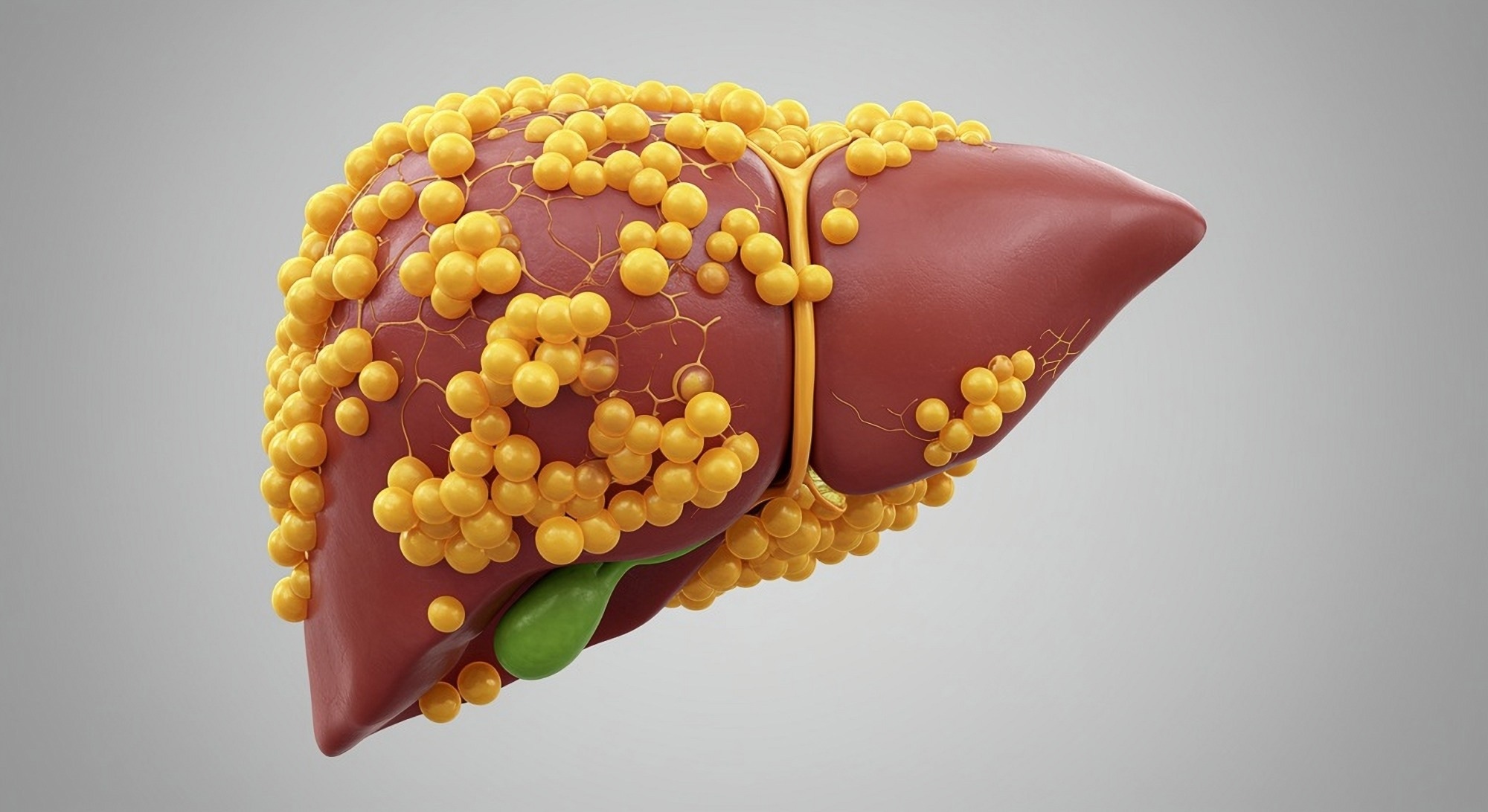 Image Credit: Shutterstock AI / Shutterstock.com
What current research shows about GLP-1 drugs and cancer risk
In a cohort of over 86,600 matched adults with obesity, GLP-1RA users were less likely to receive a cancer diagnosis than matched nonusers, although residual confounding cannot be excluded.3 Specific incidence rates of 13.6 and 16.4 for every 1,000 person-years were reported, respectively, which represent a 17% reduction in total cancer risk across 14 investigated cancer subtypes.3
Among participants in that observational analysis, GLP-1RA users were 25% and 47% less likely to be diagnosed with endometrial and ovarian cancers, respectively; however, these findings are based on observational data and should not be interpreted as definitive risk reduction.3,9
Evidence from meta-analyses suggests that GLP-1RAs do not clearly increase overall cancer risk, while some observational and secondary analyses have reported lower incidence for selected gastrointestinal cancers such as colorectal and liver cancer.3,6,9 Men diagnosed with T2DM with a history of GLP-1RA use were 28% less likely to be diagnosed with prostate cancer, although heterogeneity across studies remains.7,9
Observed reductions in cancer risk due to GLP-1RA therapy are likely multifactorial and may reflect indirect metabolic improvements such as weight loss, improved glycemic control, and reduced hyperinsulinemia, rather than direct anti-cancer effects alone.1,2,9
Preclinical and translational studies have further demonstrated that GLP-1RAs may influence immune reprogramming and modulation of the tumor microenvironment (TME). In preclinical models, semaglutide causes macrophage polarization to transition from the pro-tumor M2 phenotype to the anti-tumor M1 phenotype by suppressing PPAR-gamma.1 GLP-1 receptor activation also appears to reduce collagen deposition in tumors, facilitating increased infiltration of CD8+ cytotoxic T lymphocytes.1
Conflicting evidence and remaining questions
Despite growing evidence supporting the safety and potential oncological benefits of GLP-1RAs, the relationship between GLP-1 signaling and cancer remains unclear.1,2,8 Mouse studies have reported dose-dependent increases in C-cell hyperplasia that suggest greater thyroid cancer risk; however, rodent C-cell findings have not been clearly shown to translate to humans, and the European Medicines Agency (EMA) concluded in 2023 that existing data do not support a causal association between GLP-1RAs and thyroid cancer in humans.8
Some analyses have reported a marginally increased risk of kidney cancer following GLP-1RA therapy. The biological mechanisms underlying these observations are conflicting and warrant additional investigation, as GLP-1R signaling in the kidney is typically associated with improved function and reduced inflammation.3
Cancer development is a prolonged process; therefore, the short follow-up period of one to five years in most clinical trials may be insufficient to comprehensively evaluate long-term incidence.1-3,9 Thus, there remains an urgent need for additional randomized trials and long-term longitudinal studies specifically aimed at establishing causality and evaluating GLP-1RA-associated oncological risks in non-diabetic populations.1-3,9
New study suggests a link between GLP-1s and lower cancer risk
Conclusions
GLP-1RAs are associated in some studies with a reduced incidence of certain obesity-related cancers, particularly endometrial, ovarian, liver, and prostate cancers.3,7,9 However, current evidence is largely observational and does not establish a causal protective effect.1,9
Current evidence also does not support using GLP-1 therapies primarily for cancer prevention outside their established roles in diabetes and obesity management.1,2,9 These effects are, at least in part, due to reduced systemic inflammation and hyperinsulinemia; however, additional research is needed to clarify site-specific signals like kidney cancer and determine whether GLP-1 therapies can be established as a primary strategy in global cancer prevention.
References
- Valencia-Rincón, E., Rai, R., Chandra, V., & Wellberg, E. A. (2025). GLP-1 receptor agonists and cancer: current clinical evidence and translational opportunities for preclinical research. Journal of Clinical Investigation 135(21). DOI: 10.1172/jci194743. https://www.jci.org/articles/view/194743
- Zheng, Z., Zong, Y., Ma, Y., et al. (2024). Glucagon-like peptide-1 receptor: mechanisms and advances in therapy. Signal Transduction and Targeted Therapy 9(1). DOI: 10.1038/s41392-024-01931-z. https://www.nature.com/articles/s41392-024-01931-z
- Dai, H., Li, Y., Lee, Y. A., et al. (2025). GLP-1 Receptor Agonists and Cancer Risk in Adults With Obesity. JAMA Oncology 11(10) 1186. DOI: 10.1001/jamaoncol.2025.2681. https://jamanetwork.com/journals/jamaoncology/article-abstract/2837870
- Lauby-Secretan, B., Scoccianti, C., Loomis, D., et al. (2016). Body Fatness and Cancer - Viewpoint of the IARC Working Group. New England Journal of Medicine 375(8); 794-798. DOI: 10.1056/nejmsr1606602. https://www.nejm.org/doi/10.1056/NEJMsr1606602
- CDC. (2025, June 11). Obesity and cancer. https://www.cdc.gov/cancer/risk-factors/obesity.html. Accessed 19th March 2026
- Wali, A. F., Rangraze, I., Khan, S., et al. (2026). Reassessing cancer risk with GLP-1 receptor agonists: a comprehensive meta-analysis of gastrointestinal malignancies. Frontiers in Pharmacology 17. DOI: 10.3389/fphar.2026.1736380. https://www.frontiersin.org/journals/pharmacology/articles/10.3389/fphar.2026.1736380/full
- Sharma, N., Khatib, M. N., Balaraman, A. K., et al. (2024). Effect of GLP-1 receptor agonists on prostate cancer risk reduction: a systematic review and meta-analysis. International Urology and Nephrology, 57(4), 1039–1049. DOI – 10.1007/s11255-024-04266-4. https://link.springer.com/article/10.1007/s11255-024-04266-4?utm_source=researchgate.net&utm_medium=article.
- European Medicines Agency (EMA). (2023, October 26). Meeting highlights from the Pharmacovigilance Risk Assessment Committee (PRAC) 23-26 October 2023. https://www.ema.europa.eu/en/news/meeting-highlights-pharmacovigilance-risk-assessment-committee-prac-23-26-october-2023. Accessed 19th March 2026
- Silverii, G. A., Marinelli, C., Bettarini, C., et al. (2025). GLP‐1 receptor agonists and the risk for cancer: A meta‐analysis of randomized controlled trials. Diabetes, Obesity and Metabolism 27(8); 4454-4468. DOI: 10.1111/dom.16489. https://dom-pubs.pericles-prod.literatumonline.com/doi/10.1111/dom.16489
Further Reading
Last Updated: May 14, 2026
 Semaglutide extends lifespan and slows physiological aging in healthy mice