Introduction
Beyond alcohol: Why rituals still matter
Flavor, aroma, and the brain's reward system
The placebo effect: When expectations shape experience
Can non-alcoholic drinks activate alcohol-associated memories?
The social brain: Drinking as a cultural ritual
Safety profile and toxicology
What science says about the benefits and limitations
Conclusions: The brain drinks more than the beverage
References
Further reading
What happens when familiar flavors and drinking rituals remain, but alcohol is removed? Researchers are examining how sensory cues and expectations shape the experience of alcohol-free alternatives.
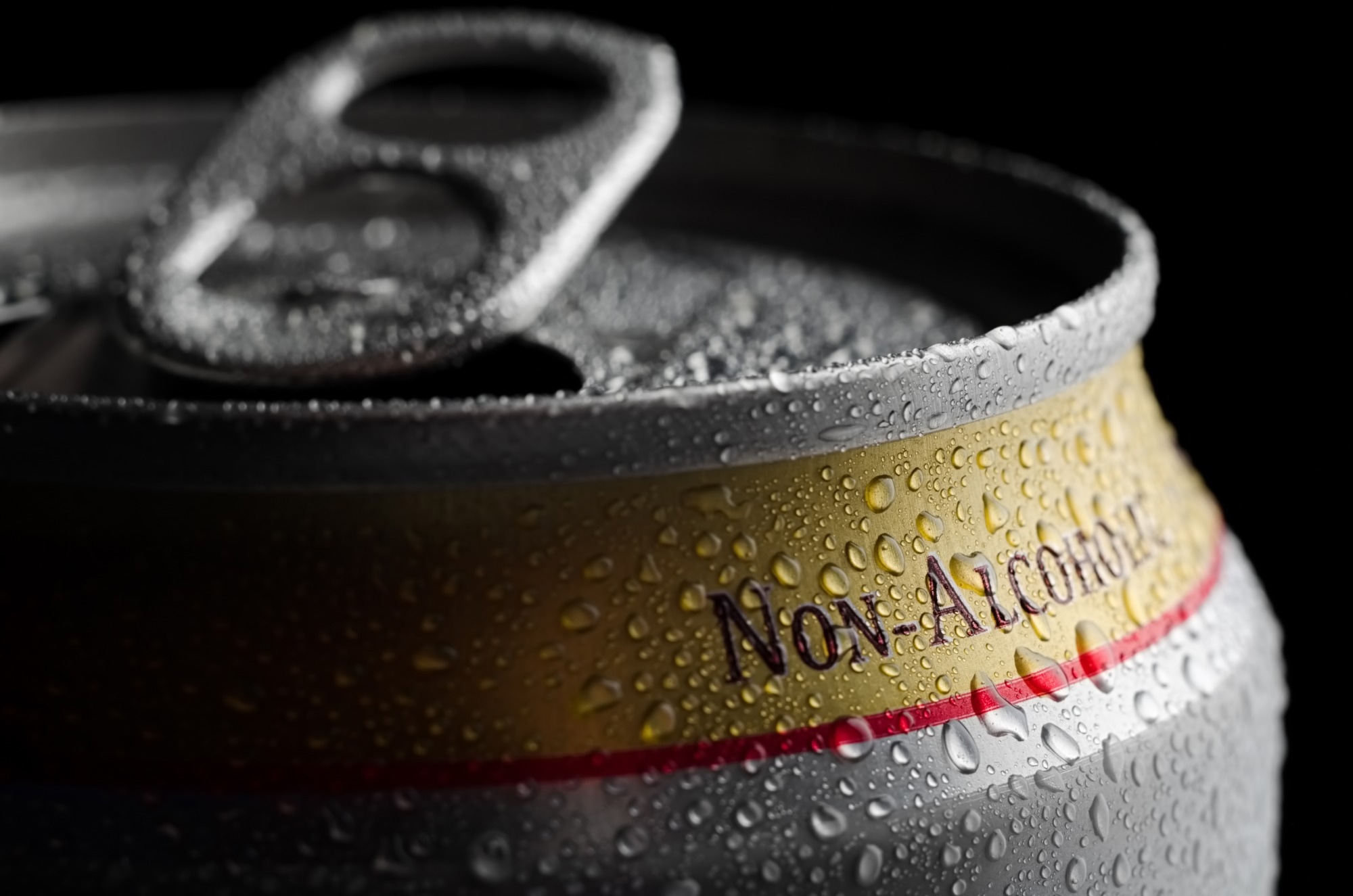 Image Credit: pavelis / Shutterstock.com
Introduction
Alcohol consumption represents the seventh leading risk factor for human mortality, accounting for about 2.6 million deaths annually and disability-adjusted life years (DALYs). The World Health Organization (WHO) estimates that in 2019, 400 million individuals 15 years of age or older lived with alcohol use disorders (AUDs), with 209 million clinically dependent on the substance.
These statistics, alongside extensive global public health campaigns aimed at curbing alcohol consumption, have resulted in a recent surge in the popularity of no- and low-alcohol (NoLo) alternatives, which are marketed as safer alternatives to traditional alcoholic beverages.
This article synthesizes the latest scientific data at the intersection of neurobiology, behavioral conditioning, and pharmacology to explain how individual expectations may be shaping the modern drinking experience. While NoLo beverages offer an effective harm-reduction tool for the general population, their ability to stimulate autonomic reactivity poses unique toxicological and psychological risks for clinical populations.
Beyond alcohol: Why rituals still matter
Historically, drinking-associated behaviors have been attributed almost entirely to the pharmacological properties of ethanol. Contemporary research challenges this belief, indicating that environmental context, rituals, and learned associations heavily influence the behavioral effects of alcohol consumption.1
Subtle cues, such as the familiar weight of glassware, the distinct aroma of fermentation, and the festive atmosphere of a social gathering, serve as potent environmental triggers that activate predictive neurological expectations.1
This novel worldview has led to a paradigm shift in the global alcoholic beverage landscape, characterized by the rapid popularization and commercial acceptance of alcohol-free or lower-strength alternatives.1 By replacing the active intoxicant while preserving the sensory parameters of the habit, alcohol-free alternatives provide a unique mechanism for studying how the human brain processes reward and expectation, as well as the behavioral outcomes of these neurological pathways.
 Image Credit: Ground Picture / Shutterstock.com
Flavor, aroma, and the brain's reward system
Neurobiological and behavioral investigations have established that a beverage's sensory components, specifically taste and olfaction, primarily trigger neural pathways that govern memory, reward, and pleasure. Chronic exposure can convert familiar flavor profiles associated with alcoholic beverages into classically conditioned stimuli.2
Clinically validated evidence from human males now shows that reward anticipation, mediated by dopamine signaling, can be as chemically potent as the reward itself. Furthermore, a positron emission tomography (PET) study found that beer flavor alone, without alcohol intoxication, elicits dopamine release in the right ventral striatum at levels comparable to those observed with ethanol-containing beverage consumption.2
This dopaminergic response indicates that the brain's reward architecture reacts significantly to the conditioned sensory cues of drinking, allowing non-alcoholic beverages to elicit genuine feelings of satisfaction formerly believed to only be achievable through alcohol consumption.2,3
The placebo effect: When expectations shape experience
Cognitive expectations fundamentally alter subjective experiences, including those associated with drinking, such as mood elevation and relaxation.3 Functional magnetic resonance imaging (fMRI) reveals that expecting to consume alcohol, even when the beverage contains none, alters resting-state functional connectivity among the right nucleus accumbens (NAcc), the ventromedial prefrontal cortex, and subcallosal cingulate cortex.3
Furthermore, studies have positively correlated subjective self-reports of feeling "drunk" with these placebo-induced connectivity increases. Thus, believing a non-alcoholic drink will induce relaxation contributes to its perceived physiological effects and potential behavioral outcomes.3
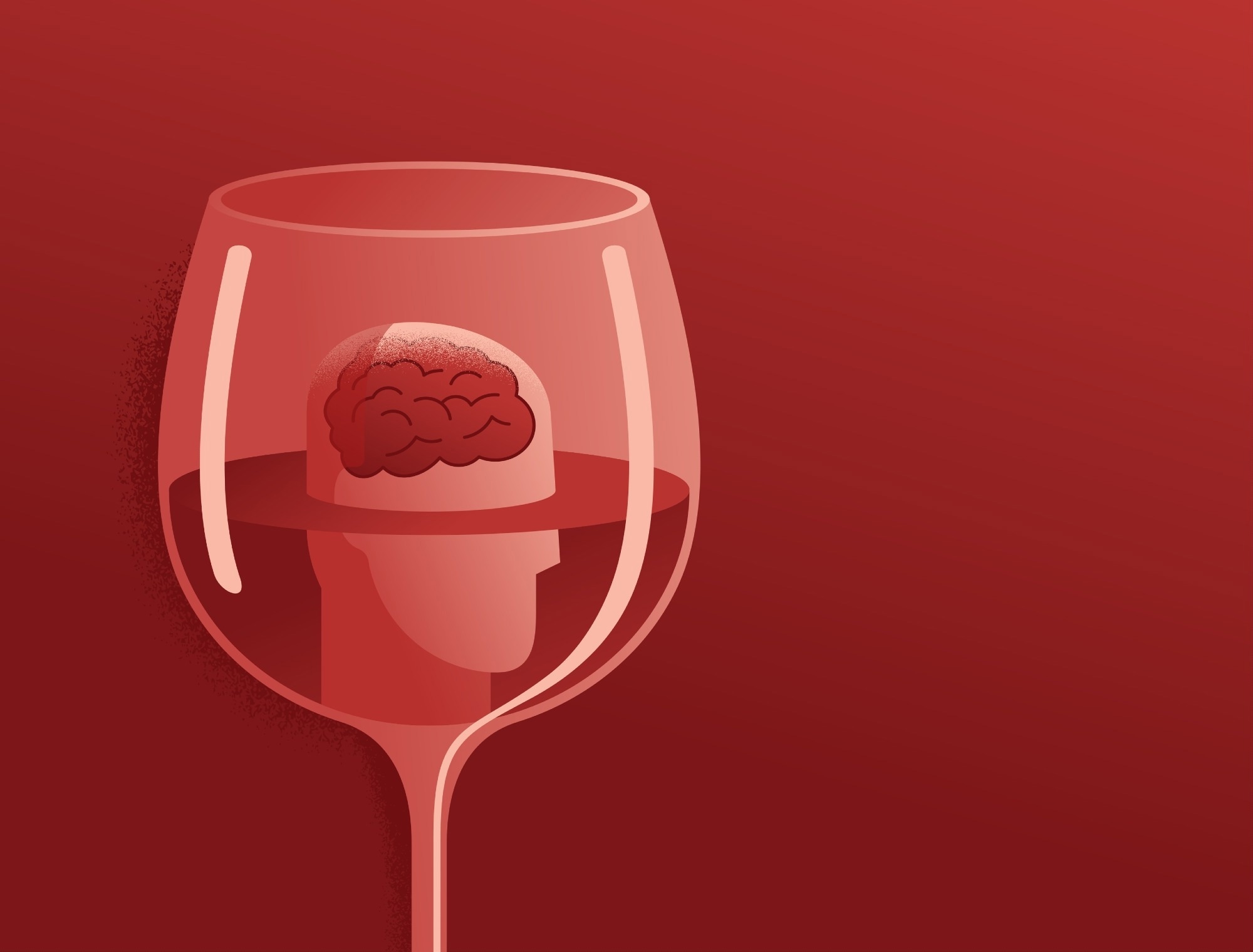 Image Credit: DKI Designs / Shutterstock.com
Can non-alcoholic drinks activate alcohol-associated memories?
Repeated experiences with alcohol biologically prime the brain to expect specific pharmacological outcomes. As a result, NoLo beverages can likely reproduce the contextual neurological cues of drinking without ethanol-induced toxicity.4
Neuroimaging data confirm that anticipating and then obtaining a beer, regardless of alcohol content, activates the orbitofrontal cortex and amygdala. Both regions are established primary reward networks, independent of an individual's baseline drinking severity.4
For individuals seeking to reduce their alcohol intake, this neural activation can fulfill habitual cravings, thereby offering a neurologically satisfying behavioral substitute that leverages existing alcohol-associated memories to deliver the sensation of pleasure without the associated health risks.3,4
The social brain: Drinking as a cultural ritual
Archaeological evidence documents the social act of drinking in groups as a way to foster connection, celebration, and group identity for thousands of years. More recent evidence suggests that peer interactions and romantic partnerships exert the most significant social influence over binge drinking behaviors, particularly among younger adults.5
Behavioral scientists now largely agree that non-alcoholic beverages preserve these culturally embedded social rituals while reducing peer-induced alcohol exposure. By mimicking the communal act of sharing a drink, NoLo alternatives satisfy the psychological need for belonging and conformity, preserving the social brain's need for interpersonal bonding while significantly minimizing physical harm.4,5
Safety profile and toxicology
While NoLo beverages eliminate the hepatotoxicity associated with ethanol, broader health evaluations note that these alternatives' overall safety profile requires further research and rigorous toxicological evaluation.6 Specifically, limited biochemical evaluations of NoLo products indicate that manufacturers frequently utilize intricate combinations of active botanical extracts, presumably to replicate the complex mouthfeel and functional relaxation of traditional alcohol.6
Adding biologically active botanicals introduces distinct pharmacokinetic risks. For example, flavonoids like quercetin are frequently used in functional NoLo formulations, primarily for their antioxidant properties.
However, quercetin and its major circulating conjugates, such as quercetin-3'-sulfate, potently inhibit key cytochrome P450 enzymes, specifically CYP2C19 and CYP3A4, as well as essential organic anion transporter family (OATP) and adenosine triphosphate (ATP) binding cassette (ABC) drug transporters.7 Chronic or high-volume consumption of these highly concentrated functional beverages could, theoretically, precipitate adverse drug-herb interactions by altering the metabolism and clearance of concurrently administered prescription medications, emphasizing the need for their transparent reporting and medical supervision.7
What science says about the benefits and limitations
While the harm-reduction potential of NoLo drinks is substantial for light-to-moderate drinkers, scientific consensus urges extreme caution regarding their application in clinical populations, including those with genetic predispositions or autoimmune reactions to NoLo product contents or individuals with alcohol use disorder (AUD).8
Systematic reviews focusing on individuals with AUD or heavy drinking histories indicate that exposure to NoLo products can stimulate autonomic reactivity mirroring the physiological arousal of actual alcohol consumption. These populations show altered skin conductance and neuroendocrine shifts causally associated with NoLo consumption.8 Consequently, presenting alcohol-free beer to individuals with AUD frequently exacerbates the desire to drink, with craving intensity correlating directly to dependence severity.8
While placebo intervention research specific to alcoholism remains limited, the correlation between dependence severity and craving intensity aligns with broader research demonstrating that placebo interventions in psychoactive substance consumers can inadvertently elevate cravings, thereby presenting a paradoxical risk for relapse.8,9
Emerging experimental research indicates a linear trend: beverage volume increases when the label indicates lower alcohol strength, especially when numerical descriptors like 0.0% ABV are used. Scientists consequently worry that heavy drinkers may utilize NoLo beverages as additions to their baseline alcohol intake, rather than true substitutes. To date, the long-term efficacy of NoLo beverages as standalone relapse-prevention tools remains methodologically unproven.10
Non-alcoholic drinks surge in popularity
Conclusions: The brain drinks more than the beverage
A complex interplay of chemistry, sensory perception, memory, and environmental factors shapes the human drinking experience. Contrary to historical belief, rituals, flavor cues, and learned expectations can hijack reward pathways, modulate functional brain connectivity, and induce subjective feelings of satisfaction, particularly in light-to-moderate drinkers.
While these factors cannot fully replicate ethanol's pharmacological effects, they empirically show that a substance's active ingredients alone do not determine human pleasure and social reward. For public health, leveraging these psychological mechanisms presents a highly promising, albeit clinically nuanced, frontier for mitigating alcohol-related harm and reducing the clinical burden of one of the world's most prevalent modifiable conditions.
References
- Anderson, P., O'Donnell, A., Kokole, D., et al. (2021). Is Buying and Drinking Zero and Low Alcohol Beer a Higher Socio-Economic Phenomenon? Analysis of British Survey Data, 2015–2018 and Household Purchase Data 2015–2020. International Journal of Environmental Research and Public Health 18(19); 10347. DOI: 10.3390/ijerph181910347. https://www.mdpi.com/1660-4601/18/19/10347
- Oberlin, B. G., Dzemidzic, M., Tran, S. M., et al. (2013). Beer Flavor Provokes Striatal Dopamine Release in Male Drinkers: Mediation by Family History of Alcoholism. Neuropsychopharmacology 38(9), 1617–1624. DOI: 10.1038/npp.2013.91. https://www.nature.com/articles/npp201391
- Kirsch, D. E., Le, V., Kosted, R., et al. (2023). Neural underpinnings of expecting alcohol: Placebo alcohol administration alters nucleus accumbens resting state functional connectivity. Behavioral Brain Research 437; 114148. DOI: 10.1016/j.bbr.2022.114148. https://www.sciencedirect.com/science/article/abs/pii/S0166432822004168?via%3Dihub
- Groefsema, M. M., Engels, R. C. M. E., Voon, V., et al. (2019). Brain responses to anticipating and receiving beer: Comparing light, at‐risk, and dependent alcohol users. Addiction Biology 25(3). DOI: 10.1111/adb.12766. https://onlinelibrary.wiley.com/doi/10.1111/adb.12766
- Bartel, S. J., Sherry, S. B., Smith, M. M., et al. (2020). Social Influences on Binge Drinking in Emerging Adults: Which Social Network Members Matter Most? Substance Abuse, 41(4), 480- 484. DOI: 10.1080/08897077.2019.1709604. https://journals.sagepub.com/doi/10.1080/08897077.2019.1709604
- Mohos, V., Fliszar-Nyul, E., Ungvari, O., et al. (2020). Inhibitory Effects of Quercetin and Its Main Methyl, Sulfate, and Glucuronic Acid Conjugates on Cytochrome P450 Enzymes, and on OATP, BCRP and MRP2 Transporters. Nutrients 12(8); 2306. DOI: 10.3390/nu12082306. https://www.mdpi.com/2072-6643/12/8/2306
- Caballeria, E., Pons-Cabrera, M. T., Balcells-Olivero, M., et al. (2022). "Doctor, Can I Drink an Alcohol-Free Beer?" Low-Alcohol and Alcohol-Free Drinks in People with Heavy Drinking or Alcohol Use Disorders: Systematic Review of the Literature. Nutrients 14(19); 3925. DOI: 10.3390/nu14193925. https://www.mdpi.com/2072-6643/14/19/3925
- Galindo, M. N., Navarro, J. F., & Cavas, M. (2020). The Influence of Placebo Effect on Craving and Cognitive Performance in Alcohol, Caffeine, or Nicotine Consumers: A Systematic Review. Frontiers in Psychiatry 11. DOI: 10.3389/fpsyt.2020.00849. https://www.frontiersin.org/journals/psychiatry/articles/10.3389/fpsyt.2020.00849/full
- Vasiljevic, M., Couturier, D., Frings, D., et al. (2018). Impact of lower strength alcohol labeling on consumption: A randomized controlled trial. Health Psychology 37(,); 658–667. DOI: 10.1037/hea0000622. https://psycnet.apa.org/fulltext/2018-18819-001.html
Further Reading
Last Updated: Oct 20, 2026
 Oral semaglutide reduces heavy drinking in adults with alcohol use disorder