Introduction
What are upcycled foods?
Types of upcycled ingredients
Nutritional and bioactive composition
Health implications
Safety considerations
Sustainability impact
Research gaps and clinical validation
References
Further reading
This article examines how upcycled food ingredients transform food waste into functional ingredients with potential metabolic and microbiome benefits while addressing safety, sustainability, and regulatory considerations. It evaluates the nutritional composition, bioprocessing technologies, clinical evidence gaps, and consumer acceptance within circular-economy frameworks.
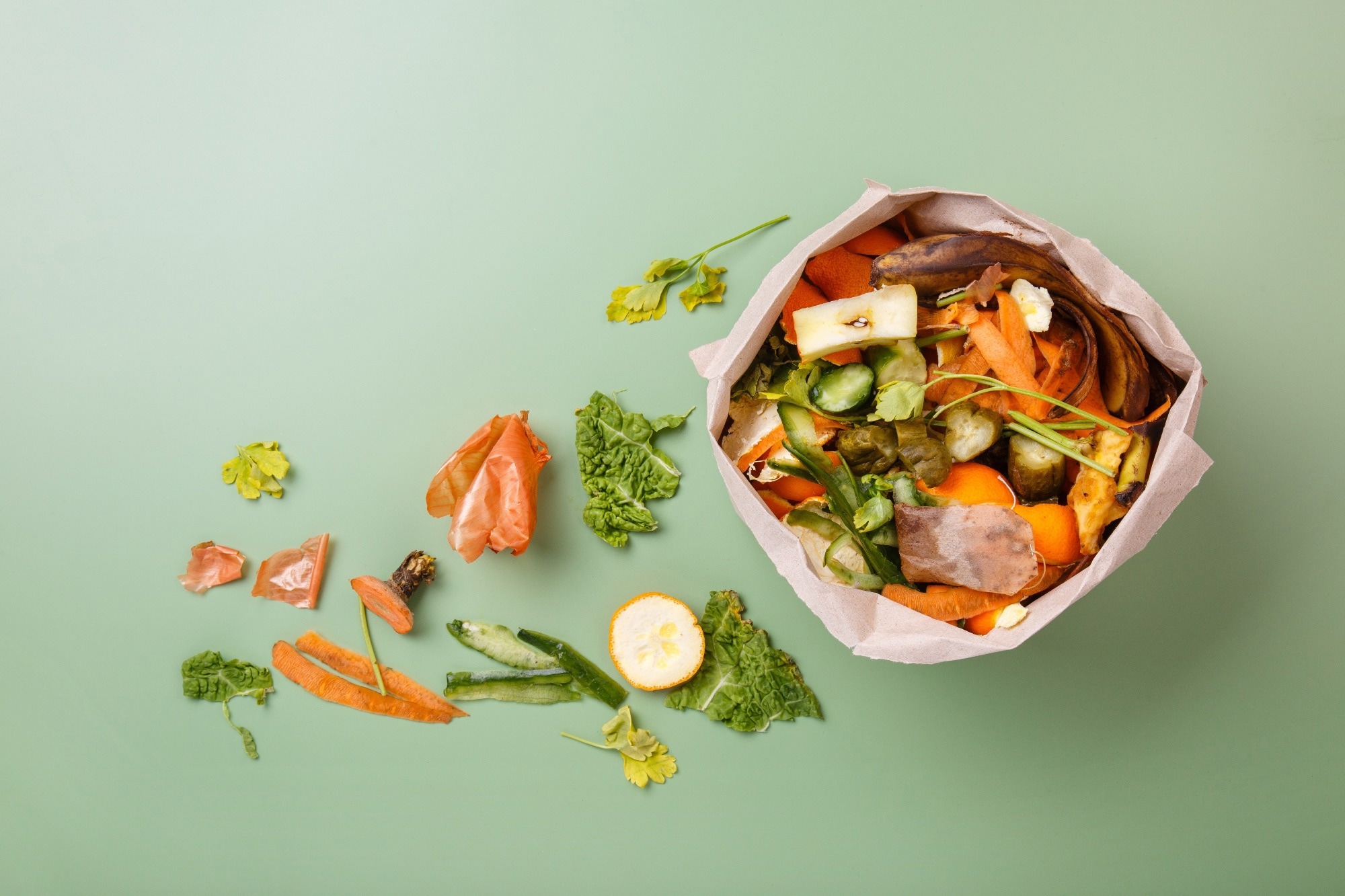 Image Credit: JasminkaM / Shutterstock.com
Introduction
Upcycled food ingredients, which are materials formerly destined for landfills or low-value animal feed, are being investigated for their potential as functional foods that can modulate glycemic responses, enhance gut microbiome diversity, and reduce the environmental burden of the global food chain. Upcycled foods are formally defined as foods made from ingredients that otherwise would not have gone to human consumption and are procured and produced using verifiable supply chains with a positive environmental impact.1
What are upcycled foods?
The global food system currently operates on an extractive, inefficient model, resulting in approximately 1.3 billion tons of edible food being discarded annually. This food waste occurs at every stage of the supply chain, from post-harvest losses in primary production to the disposal of nutritious byproducts during industrial processing.1
Food waste releases about 4.4 billion tons of carbon dioxide (CO2) equivalent emissions every year, accounting for approximately 8–10% of total global greenhouse gas emissions, while simultaneously wasting the energy, water, and land resources used in their production.1
In response, the scientific community and food industry have pioneered the relatively novel concept of upcycling, which involves strategically repurposing food byproducts into ingredients for human consumption.2 Within the food waste management hierarchy, upcycling is generally positioned below food redistribution (which prioritizes direct human consumption of surplus foods) and above conversion to animal feed, although its precise policy placement continues to evolve across jurisdictions.1
This paradigm shift has been supported by the United Nations Sustainable Development Goals (SDGs), particularly SDG 2 (Zero Hunger) and SDG Target 12.3, which set a goal of reducing global food waste and losses by 50% by 2030. Global food policy agencies posit upcycling as a technical solution that bridges the gap between food waste reduction and food security by retaining the nutritional value of byproducts within the human food chain.2
Upcycled food is on the up | FT Food Revolution
Types of upcycled ingredients
Fruit and vegetable derivatives, such as peels, pomace, and seeds, account for a significant share of upcycled food ingredients due to their notable physiological benefits. Fruit pomace, for example, contains 70–75% moisture and is exceptionally rich in fiber and phytochemicals. These materials are typically embedded within lignocellulosic plant matrices, which require targeted processing strategies to efficiently release bound bioactive compounds.3
Cereal and grain byproducts, including bran and spent grains, are among the most voluminous waste streams globally and, as a result, are increasingly being upcycled for their micronutrient content. Rice and wheat bran are rich in B vitamins, minerals, and dietary fiber; however, these ingredients have historically been removed during refining due to their impact on the sensory properties of flour.4
Recent technological advancements have facilitated the production of hydrolyzed proteins from barley and rice hulls, which are currently being formulated into high-protein powders containing approximately 85% protein and low levels of anti-nutritional factors.4 However, enzymatic-assisted extraction (EAE) can be cost-dependent due to reliance on commercial enzymes, while fermentation-assisted extraction (FAE) may be constrained by the availability of suitable carbon sources and controlled microbial growth conditions at scale.3
In the animal and marine sectors, upcycling involves recovering high-value proteins from materials such as whey and egg membranes. Whey, a major byproduct of cheese production, contains 15–25% of milk protein, as well as a significant proportion of its vitamin and mineral content. Global whey production is estimated at approximately 180–190 million tons annually, yet a substantial fraction remains underutilized, representing a major opportunity within circular economy frameworks.5
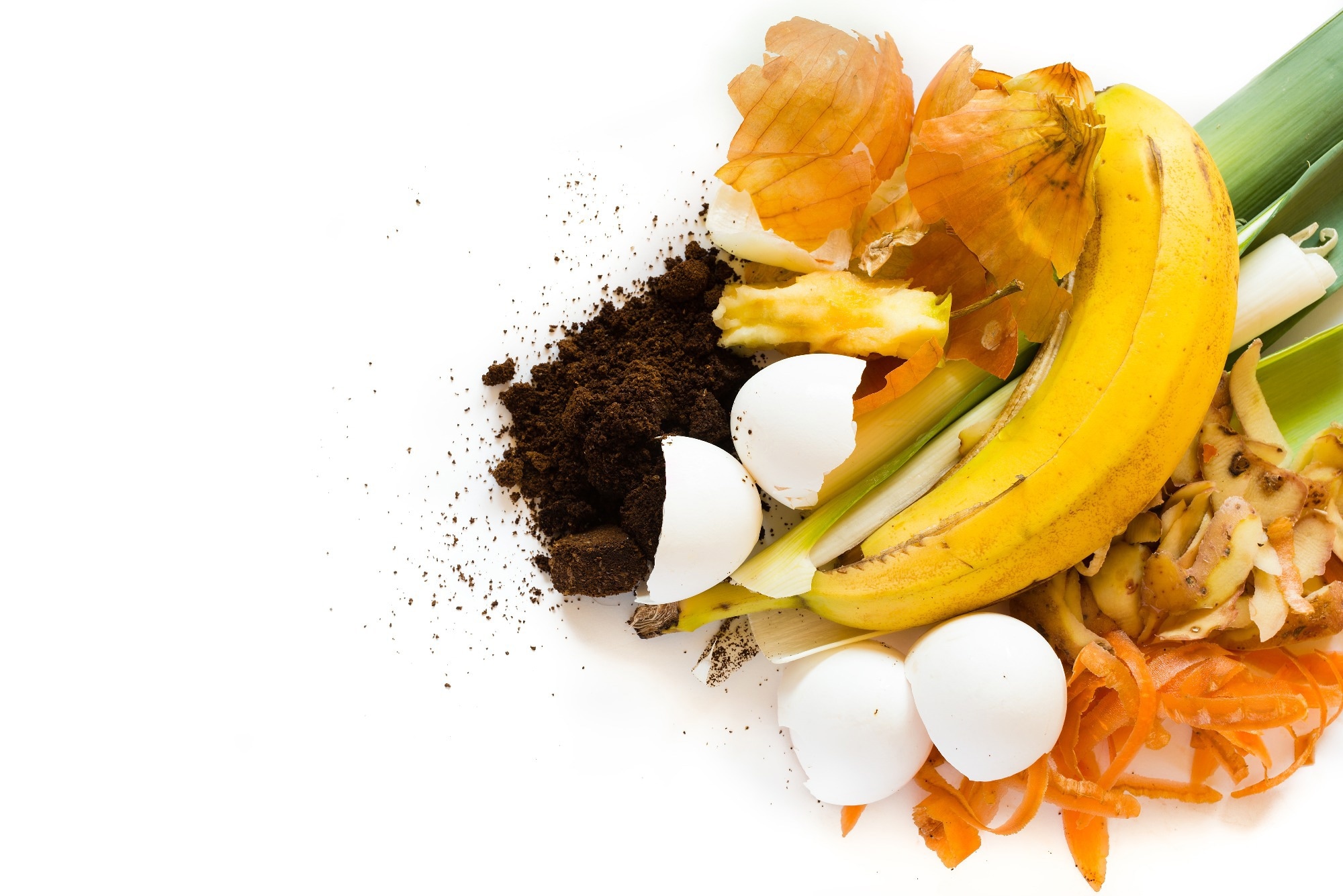 Image Credit: KariDesign / Shutterstock.com
Nutritional and bioactive composition
The bioactive composition of upcycled food ingredients often surpasses that of their conventional counterparts, despite their waste moniker. For example, fruit peels and cereal brans contain exceptionally high polyphenol concentrations. Whereas pomegranate peels are considered a concentrated source of ellagic acid, tomato peels provide essential carotenoids like lycopene for metabolic health.4 Polyphenols are among the most frequently investigated nutraceutical compounds recovered from agro-industrial byproducts due to their antioxidant and anti-inflammatory potential.9
A critical component of the upcycling process chain is the recovery of dietary fiber and prebiotic fractions. Spent coffee grounds contain significant amounts of hemicelluloses, specifically mannans and arabinogalactans, which can be extracted to increase total soluble matter by nearly eightfold.5
These fiber fractions, along with resistant polysaccharides found in residues such as rice wine lees, serve as fermentable substrates that support the growth and maintenance of health-associated gut microbiota, such as Bifidobacterium and Lactobacillus.5 Nevertheless, direct evidence from long-term human clinical trials demonstrating sustained microbiome modulation from these specific upcycled ingredients remains limited.
 Image Credit: MilosZ Kubiak / Shutterstock.com
Health implications
One of the most compelling examples of the potential of upcycled ingredients to improve human health is their ability to modulate carbohydrate absorption. Upcycled green coffee extract (GCE), which is obtained from industrial coffee byproducts, inhibits the enzymatic activity of sucrase-isomaltase by up to 51% in human Caco-2 cell models.7 By inhibiting this enzyme, GCE reduces the rate at which complex sugars are broken down into glucose, potentially lowering postprandial glycemic responses.7
Preclinical data indicate that GCE can significantly decrease sodium-glucose cotransporter 1 (SGLT-1) expression to 0.35-fold control levels and protein kinase C to 0.37-fold control levels, suggesting interference with glucose transporter type 2 (GLUT2) translocation to limit glucose efflux into the bloodstream.7 However, these findings are derived from in vitro intestinal models, and robust randomized controlled trials in diverse human populations are required before clinical efficacy claims can be substantiated.7,9
Importantly, not all upcycled foods are inherently nutritionally superior; many commercialized products currently fall within discretionary or ultra-processed snack categories, meaning that sustainability gains do not automatically translate into improved dietary quality.2
Safety considerations
Recirculating materials through the food chain can inadvertently concentrate agricultural contaminants such as heavy metals like lead, arsenic, and cadmium, which plants adsorb in their outer peels. The high organic load of byproducts, such as fruit pomace, also increases the risk of microbial contamination and the development of mycotoxins if not stabilized immediately after generation.8
Therefore, comprehensive traceability systems, validated stabilization protocols, structured hazard analysis, and ongoing risk assessment frameworks are essential to ensure microbiological and chemical safety across the upcycling value chain.8
Additionally, environmental and health-related marketing claims associated with upcycled ingredients must be supported by transparent life-cycle data to avoid greenwashing or unintended halo effects that may overstate product benefits.9
Sustainability impact
Substituting upcycled plant-based proteins for conventional meats results in a 42–89% reduction in cradle-to-gate greenhouse gas (GHG) emissions while simultaneously consuming up to 91% less water.9 Nevertheless, the sustainability of upcycled food is not absolute, as certain processing technologies like extensive drying or chemical extraction have high energy requirements that may negate the environmental benefits of these products.8
Life-cycle assessment (LCA) studies of nutraceutical and functional ingredients derived from byproducts demonstrate considerable variability in system boundaries, functional units, and environmental impact categories, underscoring the need for standardized methodologies to enable meaningful cross-study comparison.9
Research gaps and clinical validation
Despite recent progress, there remains a lack of standardized life-cycle assessment (LCA) methodologies for evaluating the sustainability of various upcycled ingredients. Although in vitro results for glycemic modulation are promising, long-term human clinical trials confirming these health outcomes across diverse populations are needed.9
Consumer acceptance remains complex; while general attitudes toward upcycled foods are often positive, actual purchasing behavior is strongly influenced by awareness levels, perceived product quality, food neophobia, price sensitivity, and the clarity of labeling or certification schemes. Thus, targeted education on health and environmental benefits, supported by transparent labeling and certifications, is essential for responsible market expansion.10
References
- Moshtaghian, H., Bolton, K., & Rousta, K. (2021). Challenges for Upcycled Foods: Definition, Inclusion in the Food Waste Management Hierarchy and Public Acceptability. Foods 10(11); 2874. DOI: 10.3390/foods10112874. https://www.mdpi.com/2304-8158/10/11/2874
- Thorsen, M., Skeaff, S., Goodman-Smith, F., et al. (2022). Upcycled foods: A nudge toward nutrition. Frontiers in Nutrition 9. DOI: 10.3389/fnut.2022.1071829. https://www.frontiersin.org/journals/nutrition/articles/10.3389/fnut.2022.1071829/full
- Vilas-Franquesa, A., Montemurro, M., Casertano, M., & Fogliano, V. (2024). The food by-products bioprocess wheel: a guidance tool for the food industry. Trends in Food Science & Technology 152. DOI: 10.1016/j.tifs.2024.104652. https://www.sciencedirect.com/science/article/pii/S0924224424003285
- Nowak-Marchewka, K., Stoma, W., Osmólska, E., & Stoma, M. (2026). Consumer Attitudes and Knowledge Regarding Functional Food as an Element of the Circular Economy. Sustainability 18(2); 881. DOI: 10.3390/su18020881. https://www.mdpi.com/2071-1050/18/2/881
- Mirzakulova, A., Sarsembaeva, T., Suleimenova, Z., et al. (2025). Whey: Composition, Processing, Application, and Prospects in Functional and Nutritional Beverages - A Review. Foods 14(18); 3245. DOI: 10.3390/foods14183245. https://www.mdpi.com/2304-8158/14/18/3245
- FAO & WHO. (2024). New food sources and production systems: Strategic considerations for food safety. Food and Agriculture Organization of the United Nations. https://openknowledge.fao.org/server/api/core/bitstreams/c3bbc530-819b-4d1a-bfb8-541d700972d5/content
- Costa, N. A., Chiochetti, G., Ximenes de Godoy, M. C., et al. (2025). Upcycled Green Coffee Phenolic‐Rich Extract Modulates Key Pathways of Glucose Absorption in Caco‐2 Cells: Findings From a Screening of Upcycled Agro‐Industrial By‐Products for Application in Functional Foods. Molecular Nutrition & Food Research 70(1). DOI: 10.1002/mnfr.70353. https://onlinelibrary.wiley.com/doi/10.1002/mnfr.70353
- Isaac-Bamgboye, F. J., Onyeaka, H., Isaac-Bamgboye, I. T., et al. (2025). Upcycling technologies for food waste management: safety, limitations, and current trends. Green Chemistry Letters and Reviews 18(1). DOI: 10.1080/17518253.2025.2533894. https://www.tandfonline.com/doi/full/10.1080/17518253.2025.2533894
- Djekic, I., Smigic, N., & Vitali Čepo, D. (2025). A Systematic Review of Nutraceuticals from the Perspective of Life-Cycle Assessment. Pharmaceuticals 18(9); 1278. DOI: 10.3390/ph18091278. https://www.mdpi.com/1424-8247/18/9/1278
- Zaman, Q. U., Rossetto, L., & Cei, L. (2026). Upcycled Foods: What Influences Consumer Responses to a Circular Economy-Based Consumption Strategy? Insights from a Systematic Literature Review. Foods 15(2); 364. DOI: 10.3390/foods15020364. https://www.mdpi.com/2304-8158/15/2/364
Further Reading
Last Updated: Mar 1, 2026