Introduction
Introduction: Earwax as a biological fluid of diagnostic interest
Composition and biological variability of cerumen
Clinical relevance of changes in appearance, smell, and texture
Emerging diagnostic technologies and limitations
Current limitations and standardization challenges
References
Further reading
From odor changes to wax texture, cerumen is emerging as a small but information-rich signal of ear health, infection, and future diagnostic possibilities.
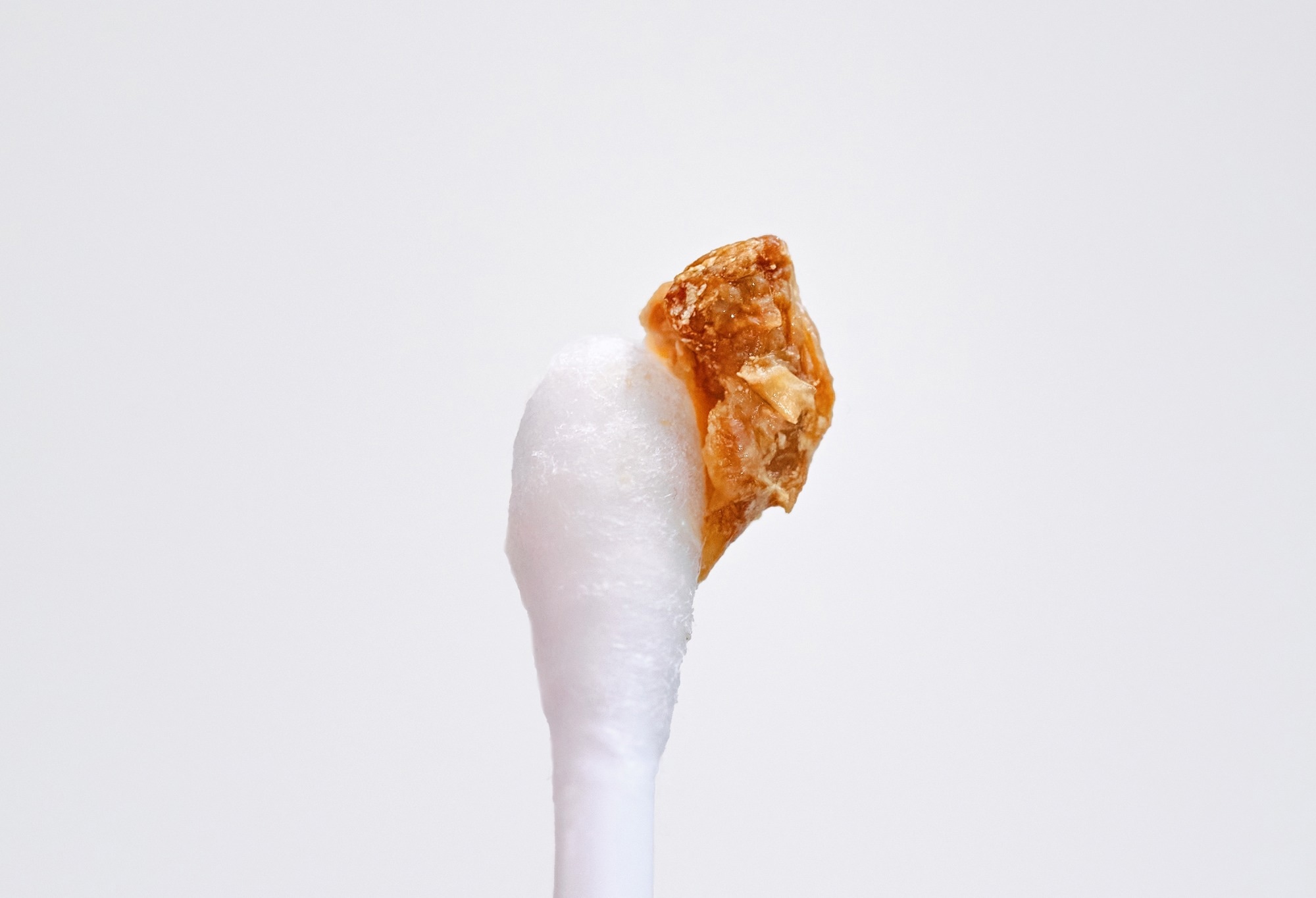 Image Credit: Tricky_Shark / Shutterstock.com
Introduction
Cerumen, commonly known as earwax, has historically been considered a physiological byproduct that requires periodic removal. In most people, however, the ear canal is self-cleaning, and routine mechanical removal is unnecessary unless wax causes symptoms or prevents examination.2,8 However, emerging research indicates that the composition of cerumen may provide valuable insights into metabolic activity, microbiome status, and systemic health.1 Visible changes in wax should therefore be interpreted as clinical clues rather than stand-alone diagnostic findings.1,6,8
Introduction: Earwax as a biological fluid of diagnostic interest
Earwax forms in the outer two-thirds of the ear canal, where secretions from sebaceous glands and ceruminous apocrine glands combine with desquamated epithelial cells.2 This semisolid substance consists of wax esters, fatty acids, ceramides, alcohols, long-chain hydrocarbons, triacylglycerols, cholesterol, amino acids, proteins, and volatile organic compounds.1 Recent spectroscopic work describes cerumen as mainly lipid-rich, with lipids contributing about 60–70% and proteins, including keratin, about 20–30% of its composition.3
The presence of metabolites from systemic circulation, such as enzymes, hormones, and antibodies, suggests that earwax may reflect broader physiological states and illnesses.1,3 Emerging analytical platforms, such as metabolomics and vibrational spectroscopy, are expanding the diagnostic potential of cerumen by identifying volatile organic metabolites and characterizing its complex lipid and protein profiles to identify potential biomarkers.3,4
Composition and biological variability of cerumen
Despite interindividual differences in the chemical composition of cerumen, earwax is generally classified into wet or dry phenotypes. Wet earwax ranges from medium to dark brown in color and is sticky due to the high concentration of lipids, which account for about 50% of its composition. In comparison, dry cerumen has a much lower lipid content of about 20% and a grey, brittle appearance.2
Variations in earwax composition have been attributed to a single-nucleotide polymorphism (SNP) in the ABCC11 gene on chromosome 16, which encodes for an adenosine triphosphate (ATP)-binding cassette transporter protein that regulates apocrine gland secretion.5 The wet earwax phenotype is more prevalent among individuals of African and European descent, whereas dry earwax is typically observed in East Asian populations. People of Native American ancestry, as well as those from Asia, Central Asia, and the Pacific Islands, exhibit mixed phenotypic frequencies, with dry earwax reported at roughly 30–50% in some of these populations, rather than an equal distribution across all groups.1 These inherited wet/dry phenotypes should be distinguished from acquired changes caused by infection, trauma, dermatologic disease, or impaction.1,5,8
Age, sex, season, and health status also modulate earwax composition. Earwax in children is often more wet and less dense than adult earwax, which becomes progressively drier and harder with age.2 The activity of sebaceous glands that produce lipids is also influenced by hormonal status, certain medications, and systemic diseases, including Parkinson's disease.1
In addition to lipids and proteins, earwax also contains an active microbiome. The healthy external auditory canal is dominated by various Staphylococcus species, such as S. epidermidis and S. aureus, Cutibacterium acnes, as well as Corynebacterium species and fungi belonging to the genus Malassezia.5
Disruptions to this microbial balance, whether from moisture, mechanical trauma, hearing aid use, or systemic immune changes, alter both the microbial profile and chemical composition of earwax. Furthermore, because bacterial and fungal metabolism generate distinct volatile compounds, shifts in the microbiome are directly reflected in earwax odor and composition.5
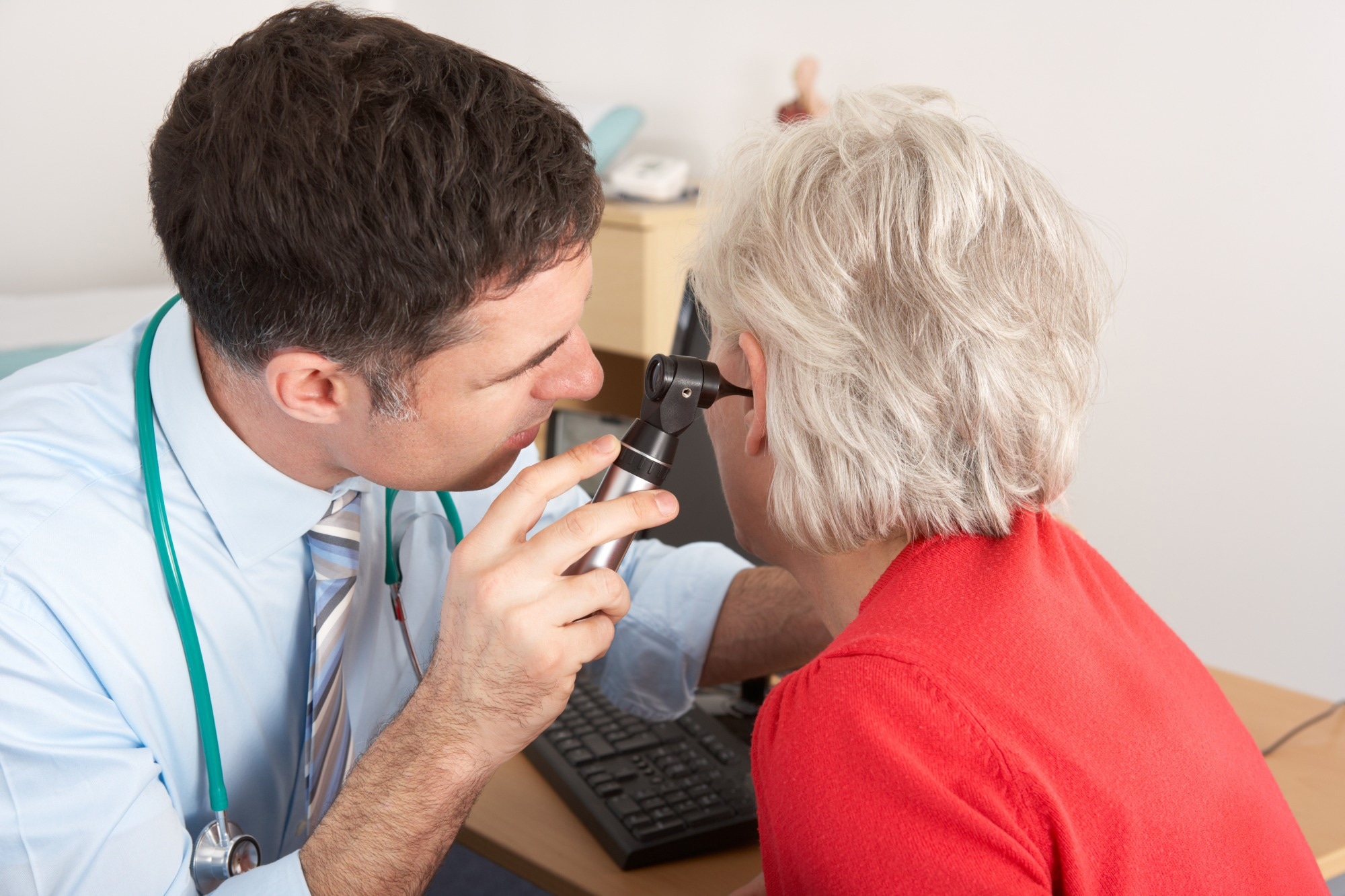 Image Credit: Monkey Business Images / Shutterstock.com
Clinical relevance of changes in appearance, smell, and texture
Earwax has historically been evaluated based on its impaction risk, rather than diagnostic potential. However, emerging evidence suggests that variations in appearance, texture, and smell may provide clinically significant biochemical information.3 In routine care, these findings are most useful when interpreted alongside symptoms such as pain, hearing loss, itching, discharge, fever, or facial weakness.7,8
Odor changes represent the most clinically recognized dimension of cerumen variation. Maple syrup urine disease is a metabolic disorder of branched-chain amino acid catabolism. This reaction produces a characteristic burnt sugar odor detectable in the earwax of neonates within the first five days of life that is due to the accumulation of sotolone, a volatile ketone metabolite.1
Metabolic conditions, such as diabetes mellitus, can alter the volatile organic compound profile of cerumen. Exploratory Headspace gas chromatography-mass spectrometry (HS/GC-MS) studies have reported significant changes in alcohol and ketone profiles, specifically ethanol, acetone, and methoxyacetone, in patients with both type 1 and type 2 diabetes as compared to healthy controls.1 These findings support biomarker research but are not yet equivalent to routine diagnostic testing.1
Texture
Textural changes are equally informative. Excessive and unusually greasy wax accumulation has been observed in Parkinson's disease, where elevated sebaceous gland activity leads to markedly increased wax secretion.1 Psoriasis is similarly associated with increased waxy material in the ear canal.1
Conversely, the wet earwax type is associated with distinct pathological features, including a greater risk of Tinea versicolor infection.1 Eczematous otitis externa is also considered a texture-relevant condition that may serve as a clinical indicator for allergy testing.5
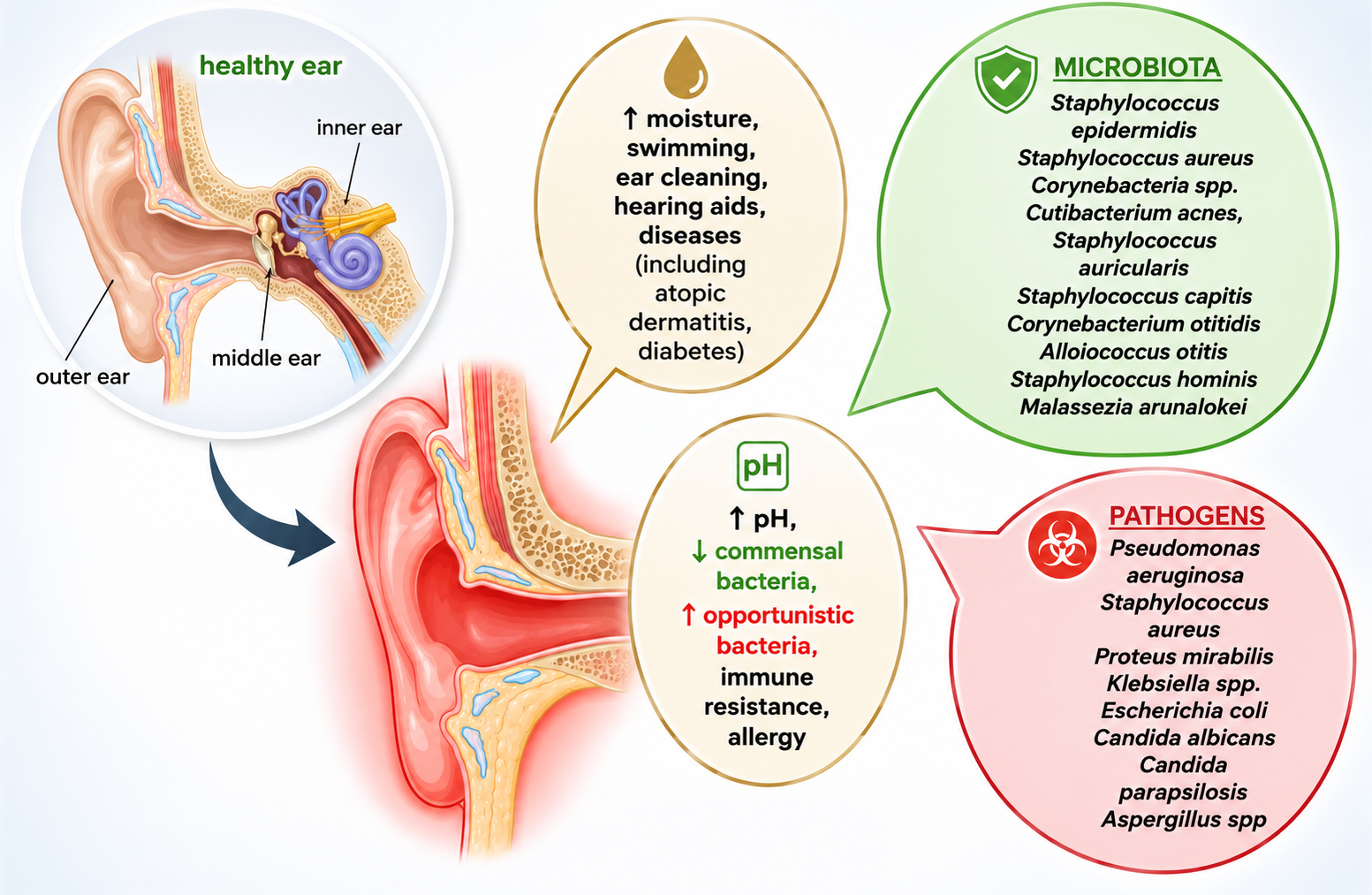 A schematic summary of factors that increase the risk of outer ear infections (otitis externa), highlighting environmental factors (e.g., water exposure and humidity), mechanical damage to the ear canal epithelium, disturbances in cerumen composition, and microbial imbalance, all of which contribute to impaired local immune defense. Image adapted from Paprocka, P., Spałek, J., Daniluk, T., et al. (2026). The Importance of Ear Canal Microbiota and Earwax in the Prevention of Outer Ear Infections. International Journal of Molecular Sciences 27(2); 622. DOI: 10.3390/ijms27020622 using Chatgpt / OpenAI
Excessive keratin accumulation in cerumen can progress to obstructive keratinization, which may contribute to the development of primary cholesteatoma of the auditory canal.5 Both excessive cerumen and cerumen deficiency can disturb the ear canal environment: impaction may cause hearing loss, tinnitus, fullness, itching, otalgia, discharge, odor, and cough, while insufficient wax may increase infection risk by disrupting the protective microbiome.5,8 Collectively, these findings suggest that cerumen texture reflects underlying glandular, dermatological, and microbial states, though the mechanistic links between specific textural changes and systemic disease remain incompletely characterized.
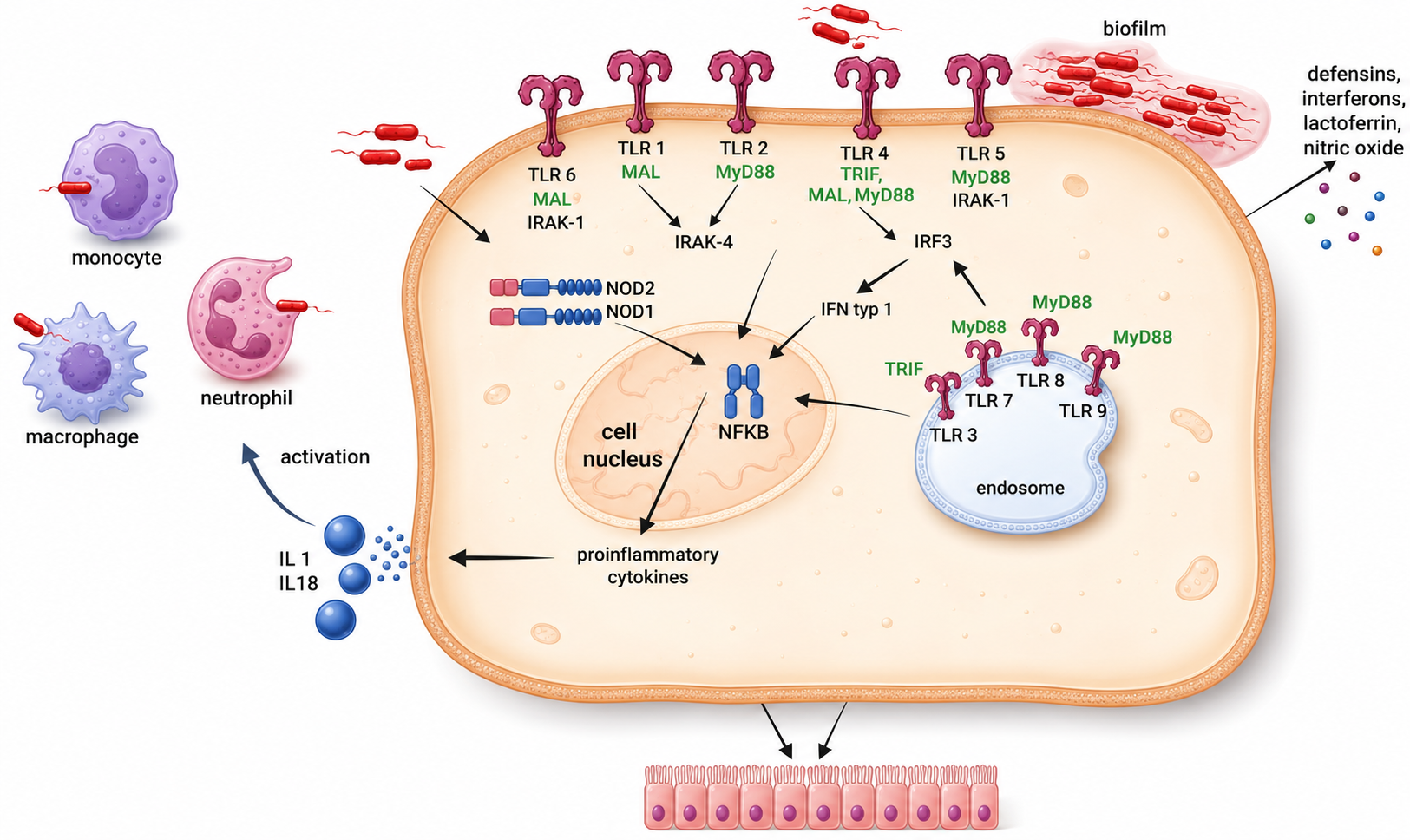
Bacteria colonizing the skin of the ear canal influence the non-specific response of immunocompetent cells present in this area (neutrophils, macrophages), and modulate epithelial cell responses, increasing the production of some interleukins and modulating signaling pathways involving TLR receptors. Image adapted from Paprocka, P., Spałek, J., Daniluk, T., et al. (2026). The Importance of Ear Canal Microbiota and Earwax in the Prevention of Outer Ear Infections. International Journal of Molecular Sciences 27(2); 622. DOI: 10.3390/ijms27020622 using Chatgpt / OpenAI
Color
Lighter shades of earwax generally correspond to newer secretions, whereas darker hues reflect older wax that has accumulated debris over time. Although black earwax might not indicate any specific metabolic disorder, it is typically associated with earwax blockage and impaction.6
Green discoloration in earwax warrants clinical attention, as it may reflect an ear infection. Similarly, brown earwax with red streaks is suggestive of injury within the ear canal and, when accompanied by runny discharge, is consistent with a ruptured eardrum.6
Odor
Foul-smelling, yellow or green drainage is a recognized symptom of malignant otitis externa, a severe infection involving the bones of the ear canal, particularly in individuals with diabetes or compromised immune function.7 Although these color associations provide practical clinical value, additional research is needed to establish their role as diagnostic criteria. Persistent foul odor, pain, drainage, or worsening hearing should prompt clinical evaluation rather than self-treatment.7,8
What These 8 Earwax Colors Say About Your Health
Emerging diagnostic technologies and limitations
Metabolomic studies employing advanced analytical platforms have provided the most compelling evidence supporting cerumen as a biomarker matrix. In one study, researchers used HS/GC-MS to analyze cerumen samples from 52 cancer patients and 50 healthy controls, identifying 27 volatile organic metabolites as potential cancer biomarkers.4 Because this was an exploratory study, these markers should be described as promising candidates rather than clinically validated cancer tests.4
Human cerumen has also been characterized using vibrational spectroscopy methods like Raman spectroscopy, surface-enhanced Raman spectroscopy, broadband coherent anti-Stokes Raman scattering, stimulated Raman scattering, and optical photothermal infrared spectroscopy. These studies have revealed the molecular fingerprint of cerumen lipids and proteins with high specificity, including the degree of fatty acid unsaturation to assess lipid metabolism dysregulation.3
Increased lipid metabolism is a characteristic feature of tumor development, as abnormal lipid synthesis contributes to cancer cell proliferation.3 These spectroscopic findings support the diagnostic potential of cerumen analysis; however, translation to clinical settings requires significant further development.
Current limitations and standardization challenges
Earwax composition shows significant interindividual variability, making it difficult to establish reference ranges. Study populations in existing research have been small, thereby limiting the reproducibility and generalizability of these findings.1,4 For example, the 2024 vibrational spectroscopy study characterized cerumen from only two healthy individuals, making it useful for method development but not for clinical reference-range definition.3
There remains a lack of standardized protocols for sample collection, storage, and pre-analytical handling, as well as variable temperature requirements for sample storage based on analyte class. For example, samples for volatile organic compound analysis require storage at -30°C, whereas proteomics studies require preservation at -80°C.1 Clinical interpretation is also limited because visible features such as color, odor, and texture are non-specific and may reflect normal wax aging, blockage, local infection, trauma, dermatologic disease, or systemic biochemical changes.1,5,6,7,8 When treatment is needed, evidence-based options include cerumenolytics, irrigation, and manual removal by trained clinicians; inserting cotton swabs or other objects into the canal can increase the risk of impaction, abrasion, perforation, or infection.2,8
References
- Shokry, E., & Filho, N. R. A. (2017). Insights into cerumen and application in diagnostics: past, present, and future perspectives. Biochemia Medica, 27(3), 030503. DOI: 10.11613/BM.2017.030503. https://www.biochemia-medica.com/en/journal/27/3/10.11613/BM.2017.030503
- Agrawal, V., & Deshmukh, P. T. (2021). Ear wax and its impaction: Clinical findings and management. Journal of Pharmaceutical Research International 33(60A); 176-182. DOI: 10.9734/jpri/2021/v33i60A34471. https://journaljpri.com/index.php/JPRI/article/view/5151.
- Farnesi, E., Calvarese, M., Liu, C., et al. (2024). Advancing cerumen analysis: exploring innovative vibrational spectroscopy techniques with respect to their potential as new point-of-care diagnostic tools. Analyst 149(22); 5381-5393. DOI: 10.1039/d4an00868e. https://pubs.rsc.org/en/content/articlelanding/2024/an/d4an00868e.
- Barbosa, J. M. G., Pereira, N. Z., David, L. C., et al. (2019). Cerumenogram: a new frontier in cancer diagnosis in humans. Scientific Reports 9(1); 11722. DOI: 10.1038/s41598-019-48121-4. https://www.nature.com/articles/s41598-019-48121-4.
- Paprocka, P., Spałek, J., Daniluk, T., et al. (2026). The Importance of Ear Canal Microbiota and Earwax in the Prevention of Outer Ear Infections. International Journal of Molecular Sciences 27(2); 622. DOI: 10.3390/ijms27020622. https://www.mdpi.com/1422-0067/27/2/622.
- Cleveland Clinic. (2023, January 17). Earwax: What Is It & What Does It Do? Cleveland Clinic. https://my.clevelandclinic.org/health/body/24624-earwax
- Josef , S. (2024, February 5). Malignant otitis externa: MedlinePlus Medical Encyclopedia. Medlineplus.gov. https://medlineplus.gov/ency/article/000672.htm
- Kfoury, P., Shah, K., Dillard, L. K., et al. (2026). Unpacking cerumen impaction: a systematic review of clinical practice guidelines to support the development of the world health organization package of ear and hearing care interventions. BMC Primary Care 27(1); 170. DOI: 10.1186/s12875-026-03325-2. https://link.springer.com/article/10.1186/s12875-026-03325-2
Further Reading
Last Updated: Jul 2, 2026