Introduction
Nutritional profile of soursop
Antimicrobial, antiviral, and anti-inflammatory effects
Anticancer potential
Safety concerns and toxicology
Conclusions
References
Soursop (Annona muricata) is a tropical fruit rich in bioactive compounds, including annonaceous acetogenins, flavonoids, alkaloids, and phenolics, with promising antimicrobial, anti-inflammatory, and anticancer activities demonstrated primarily in laboratory and animal studies.
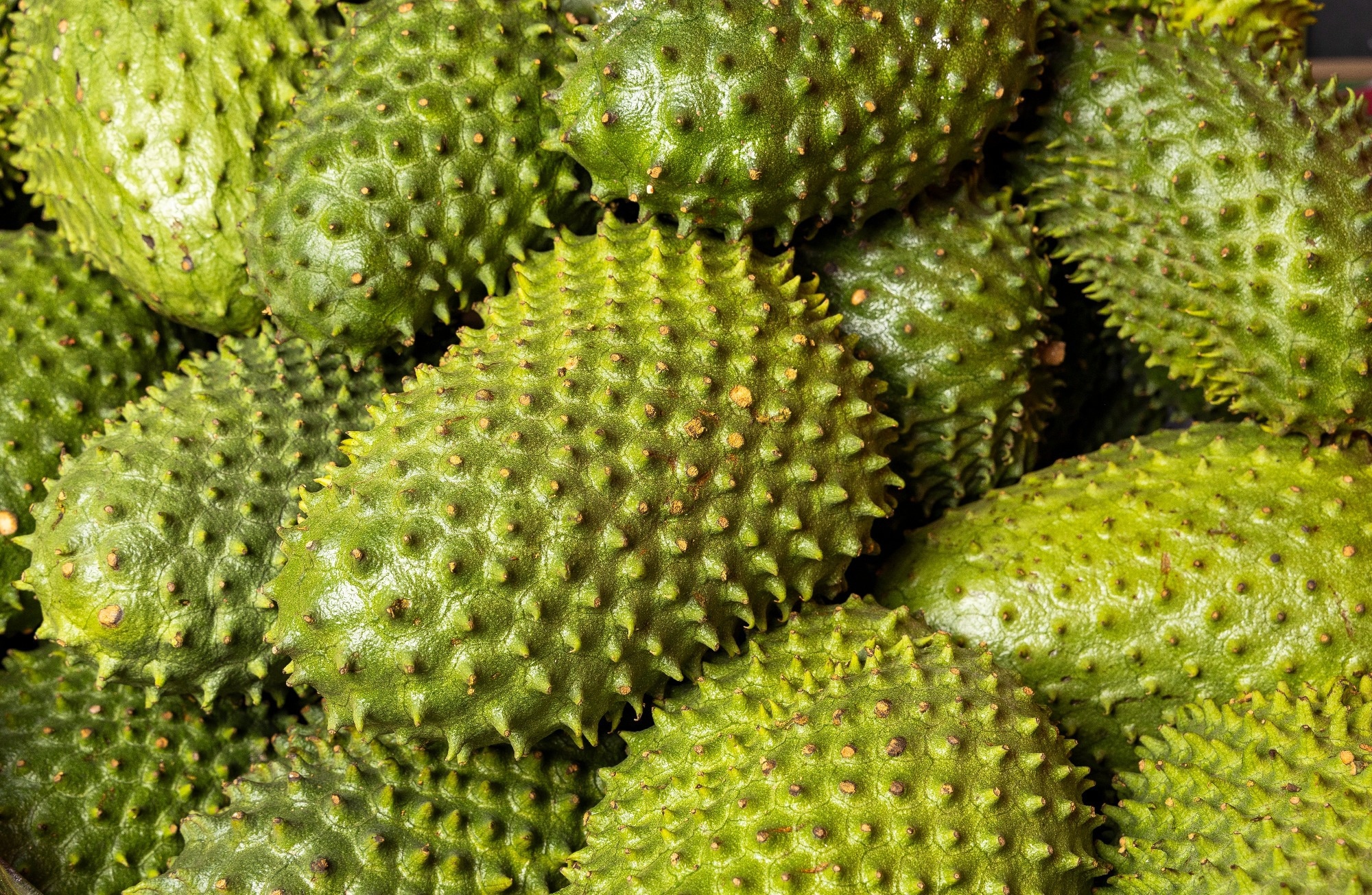 Image Credit: Luis Echeverri Urrea / Shutterstock.com
Introduction
This article reviews the nutrition, bioactive compounds, health benefits, anticancer potential, and safety considerations of soursop, highlighting current evidence and research gaps.
Nutritional profile of soursop
Soursop (Annona muricata), which is also known as graviola or guanabana, is a tropical fruit-bearing tree cultivated throughout Central and South America, Africa, and Southeast Asia. Traditional cultures in these regions have historically used A. muricata tree components to treat a wide range of health conditions, including diarrhea, fever, parasitic infections and worms, neuralgia, arthritic pain, malaria, and cancer. These are ethnomedicinal uses rather than clinically established treatments. For these indications, A. muricata leaves, seeds, bark, fruit, stems, roots, and twigs are prepared as infusions, pastes, and decoctions for both oral and topical administration.1,2
Soursops are large, heart-shaped, and green, with diameters of 15–20 cm1. These fruits primarily consist of carbohydrates that provide energy, as well as dietary fiber that supports digestive health and promotes satiety. Like other members of the Annonaceae family of fruits, soursop is naturally low in fat and has been reported to contain vitamin C and several B vitamins, although the five reviewed papers provide limited quantitative nutritional composition data. Nutrient content may also vary with cultivar, maturity, growing conditions, and analytical method.1,2
Soursop has been reported to contain minerals including potassium, calcium, magnesium, iron, copper, phosphorus, and sodium, all of which are involved in physiological processes such as fluid balance, bone metabolism, and nerve signaling. Soursop also contains phenolic compounds and other antioxidant constituents that contribute to dietary antioxidant intake, although evidence that eating the fruit meaningfully prevents oxidative-stress-related disease in humans is lacking.1,2,5
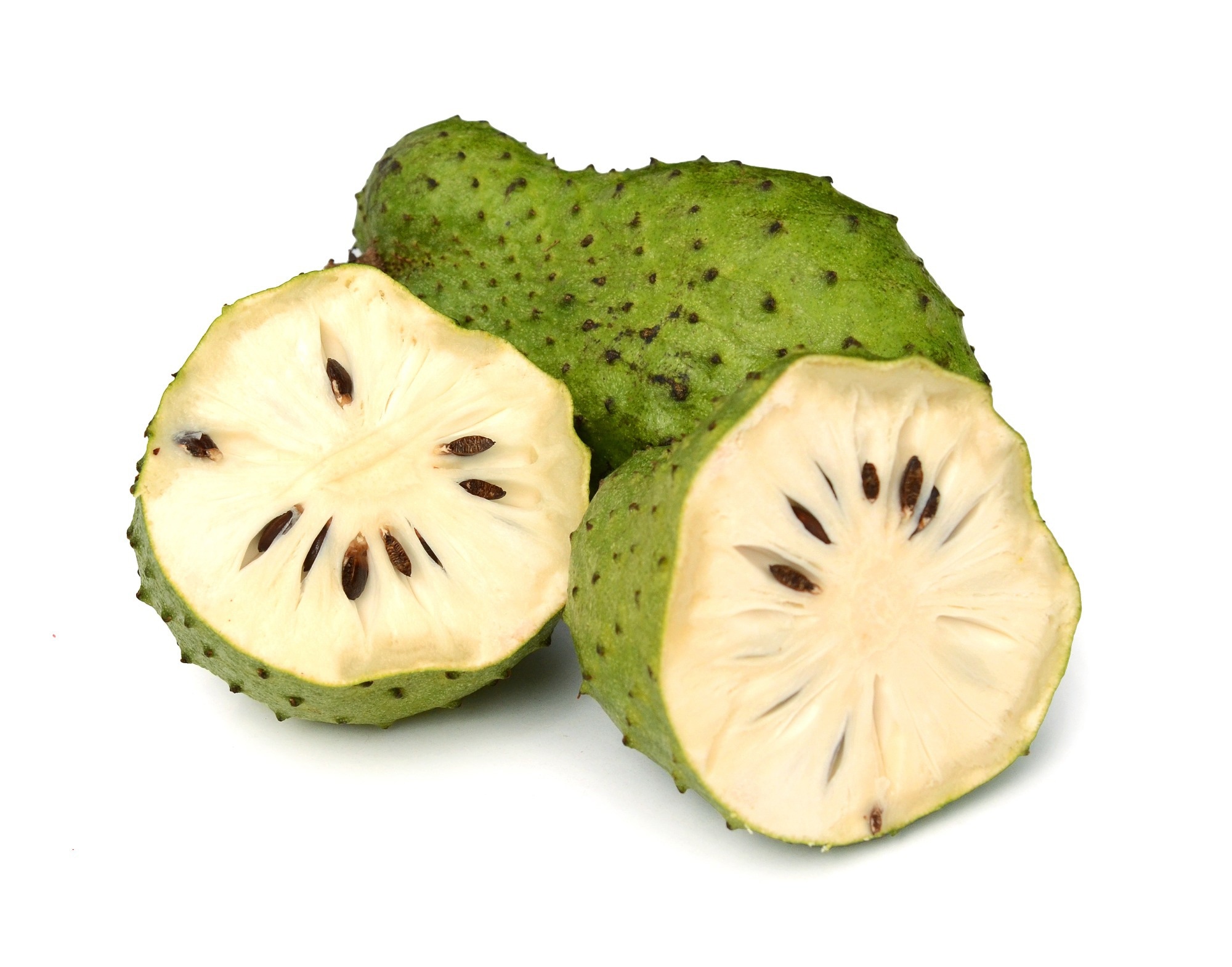 Image Credit: COLOA Studio / Shutterstock.com
Antimicrobial, antiviral, and anti-inflammatory effects
Soursop extracts have exhibited antimicrobial activity against numerous pathogens, including Gram-positive Staphylococcus aureus, Bacillus cereus, and Bacillus subtilis, as well as Gram-negative Pseudomonas aeruginosa, Escherichia coli, and Salmonella typhi. These findings primarily arise from laboratory assays, and the results vary depending on the plant part, extraction method, concentration, microorganism, and test system. They do not establish that soursop treats bacterial infections in humans. Both A. muricata seeds and fruits have also been used traditionally to treat parasitic infections.
Antiviral effects against several viruses have been reported in preliminary experimental studies, but the supplied evidence does not support using soursop to treat HIV, influenza, dengue, herpesvirus infection, or virus-associated malignancy in patients.2
Numerous flavonoids have been isolated from soursop, including quercetin, kaempferol, catechin, and procyanidins, as well as alkaloids like annonaine, nornuciferine, and asimilobine. Amide N-p-coumaroyl tyramine and cyclopeptides have also been extracted from Annona muricata seeds. Some soursop extracts and isolated constituents have produced anti-inflammatory effects in cell and animal models, including reductions in leukocyte migration, myeloperoxidase activity, inflammatory mediators, and nociceptive responses. These findings do not establish clinical anti-inflammatory efficacy.1,2,4
Preclinical studies also indicate that soursop extracts may influence blood glucose regulation, lipid metabolism, and blood pressure levels. However, suitable doses, efficacy, interactions, and long-term safety have not been established for treating diabetes, dyslipidemia, or hypertension in humans.1,2,5
Anticancer potential
To date, over 100 different annonaceous acetogenins (AGEs) have been isolated from the leaves, seeds, bark, roots, and fruit of soursop. AGEs are derivatives of long-chain fatty acids and exhibit cytotoxic activity in laboratory models involving breast, prostate, lung, pancreatic, colon, liver, cervical, and hematological cancer cells in vitro while interfering with cellular energy production by inhibiting mitochondrial complex I. Selectivity varies among compounds, extracts, cell lines, and experimental conditions, and activity in cultured cells does not demonstrate therapeutic effectiveness in patients.1,2,3,5
Soursop-derived compounds have been shown to induce apoptosis by modulating signaling pathways that regulate pro-apoptotic and anti-apoptotic proteins. Additional mechanisms reported in preclinical models include cell cycle arrest in the G1 phase, suppression of tumor cell migration and invasion, and modulation of oxidative stress and inflammatory pathways.3,5 Whole fruit, leaf fractions, seed and bark extracts, purified acetogenins, and commercial combination products are not interchangeable because their chemical composition, concentration, bioavailability, and potential toxicity may differ substantially.1,2,5
Despite these promising observations, the current lack of high-quality human data limits the establishment of standard therapeutic doses or long-term intake guidelines. A 2024 systematic review identified five eligible studies involving 273 participants: four small trials of an ethanol-soluble soursop-leaf fraction in people with colorectal cancer and one non-randomized study of soursop combined with ellagic acid in people with bladder cancer.4 The studies assessed different outcomes, including ex vivo cytotoxicity, caspase activity, inflammatory markers, nutritional status, laboratory safety measures, and cancer recurrence. All were judged to have a high or critical risk of bias, and their heterogeneity prevented meta-analysis. Because the bladder cancer study used a combination product, its findings cannot be attributed specifically to soursop. To date, few studies have evaluated the efficacy of soursop components against cancer in human populations, thus emphasizing the need for high-quality research using large sample sizes.
There is insufficient reliable evidence that soursop prevents, treats, or cures cancer, and soursop products should not replace surgery, radiotherapy, systemic anticancer therapy, or other evidence-based care. Patients considering concurrent use should consult their oncology team, as product composition is variable and clinically important herb-drug interactions remain inadequately studied.3,4,5
These Amazing Benefits Of Soursop Will Surprise You
Safety concerns and toxicology
Despite its beneficial properties, annonacin is associated with potential toxicity concerns, as experimental data suggest that AGEs may disrupt bioenergetic processes in the mitochondria of nerve cells, leading to neurotoxic effects.
Observational research has reported associations between frequent consumption of Annonaceae products and atypical Parkinsonian disorders in some populations. At the same time, laboratory and animal studies provide biological plausibility through mitochondrial complex I inhibition. These findings do not establish causality, but they warrant caution, particularly with frequent or prolonged consumption of concentrated leaf, seed, bark, or root preparations.1,2
Seeds should not be deliberately consumed or crushed into food, as seed-derived extracts contain concentrated bioactive compounds and have demonstrated toxicity in preclinical research; however, the supplied papers do not establish the risk from occasional accidental human exposure.1,2
Available studies of specific preparations over short periods did not identify clinically important deterioration in measured blood counts or liver and kidney markers. However, these studies were small, short, and at high risk of bias, so they do not establish general or long-term safety. In the reviewed studies, two participants experienced grade 2 gastrointestinal disorders and three reported grade 2 headache, while no grade 3–4 toxicity was attributed to the soursop-containing intervention.4
Conclusions
Soursop is a tropical fruit that has been reported to provide carbohydrates, fiber, vitamins, minerals, and multiple classes of phytochemicals. Laboratory and animal studies have provided encouraging evidence for the antimicrobial, anti-inflammatory, metabolic, and anticancer activities of specific extracts and isolated compounds, particularly AGEs against cancer cells. However, these studies are predominantly pre-clinical, and human studies have limitations in both quantity and quality.
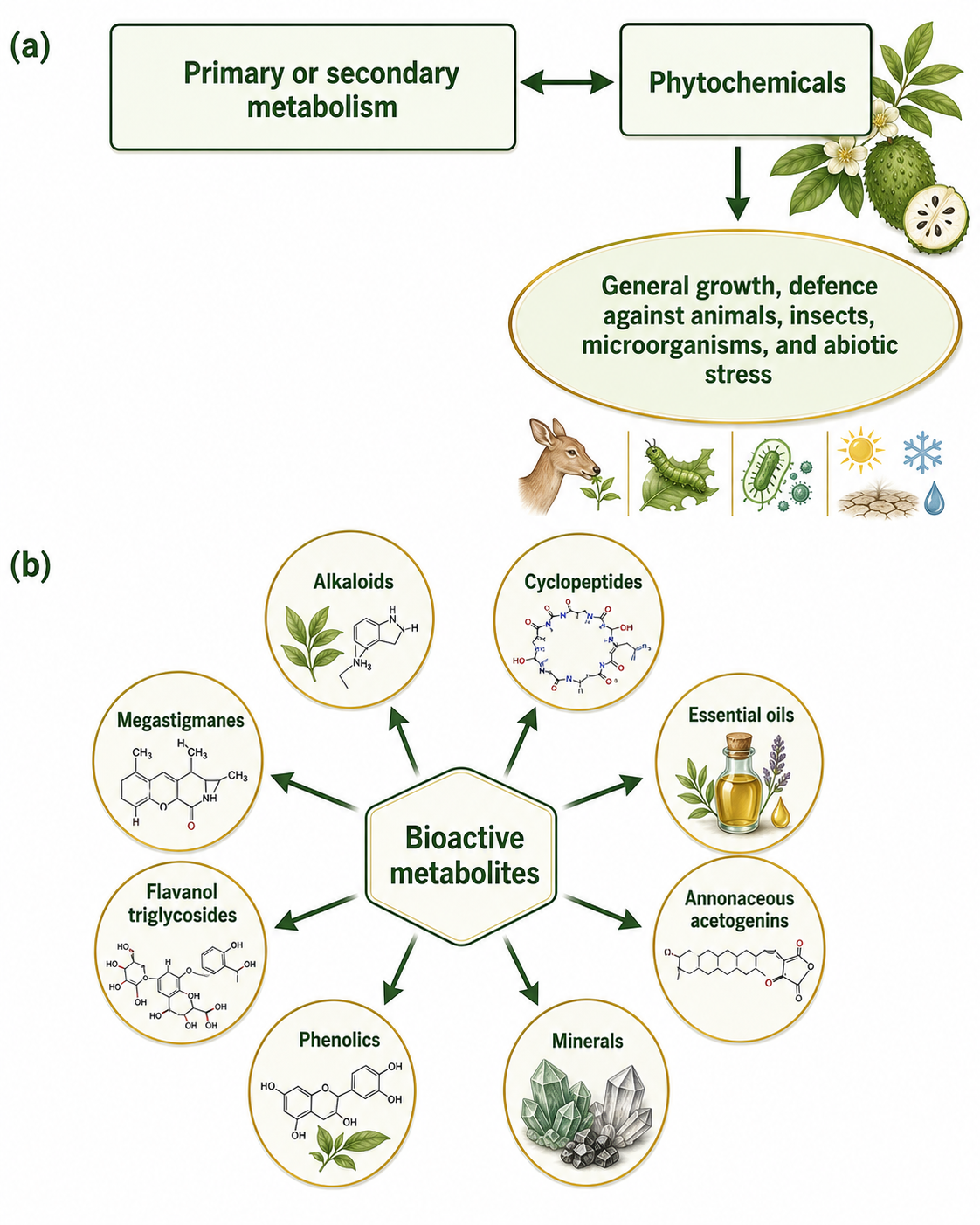
Diagram depicting the role of Phytochemicals (a) and bioactive metabolites present in Annona muricata (b).5
There is currently insufficient clinical evidence to recommend soursop or its extracts for the prevention or treatment of cancer or other diseases. Concerns regarding neurotoxicity and the lack of established therapeutic dosages further highlight the need for caution. Rigorous, large-scale clinical trials are essential to confirm efficacy, establish safety, and determine the appropriate role of soursop in human health and disease management.
Consumption of the edible pulp as food should be distinguished from medicinal use of concentrated preparations made from leaves, seeds, bark, or roots, which may differ substantially in composition and toxicological risk.1,2,4
References
- Moghadamtousi, S. Z., Fadaeinasab, M., Nikzad, S., et al. (2015). Annona muricata (Annonaceae): A Review of Its Traditional Uses, Isolated Acetogenins and Biological Activities. International Journal of Molecular Sciences 16(7). 15625-15658. DOI: 10.3390/ijms160715625. https://www.mdpi.com/1422-0067/16/7/15625
- Al Kazman, B. S. M., Harnett, J. E., & Hanrahan, J. R. (2022). Traditional Uses, Phytochemistry and Pharmacological Activities of Annonaceae. Molecules 27(11), 3462. DOI: 10.3390/molecules27113462. https://www.mdpi.com/1420-3049/27/11/3462
- Yajid, A. I., Ab Rahman, H. S., Wong, M. P. K., & Wan Zain, W. Z. (2018). Potential benefits of Annona muricata in combating cancer: A review. Malaysian Journal of Medical Sciences 25(1); 5-15. DOI: 10.21315/mjms2018.25.1.2. https://pmc.ncbi.nlm.nih.gov/articles/PMC5862046/
- Isaali, M. T. A., Jamil, N., & Ahmad, K. (2024). Effect of Annona muricata (Soursop) on Patients with Cancer: A Systematic Review. Malaysian Journal of Pharmacy (MJP) 10(2), 3-11. DOI: 10.52494/maljpharmv10202. https://mjpharm.org/effect-of-annona-muricata-soursop-on-patients-with-cancer-a-systematic-review/
- Ilango, S., Sahoo, D. K., Paital, B., et al. (2022). A Review on Annona muricata and Its Anticancer Activity. Cancers 14(18), 4539. DOI: 10.3390/cancers14184539. https://www.mdpi.com/2072-6694/14/18/4539
Further Reading
Last Updated: Aug 3, 2026