Introduction
An overview of the traditional Inuit diet
How does the Inuit diet support heart and metabolic health?
Vitamin D, nutrition, and the gut microbiome
How Westernization is changing Inuit health
Future directions
References
Further reading
From vitamin-rich country foods to rapidly expanding market-food consumption, research across Inuit communities reveals a complex nutritional transition shaped by culture, physical activity, food security, and a changing Arctic.
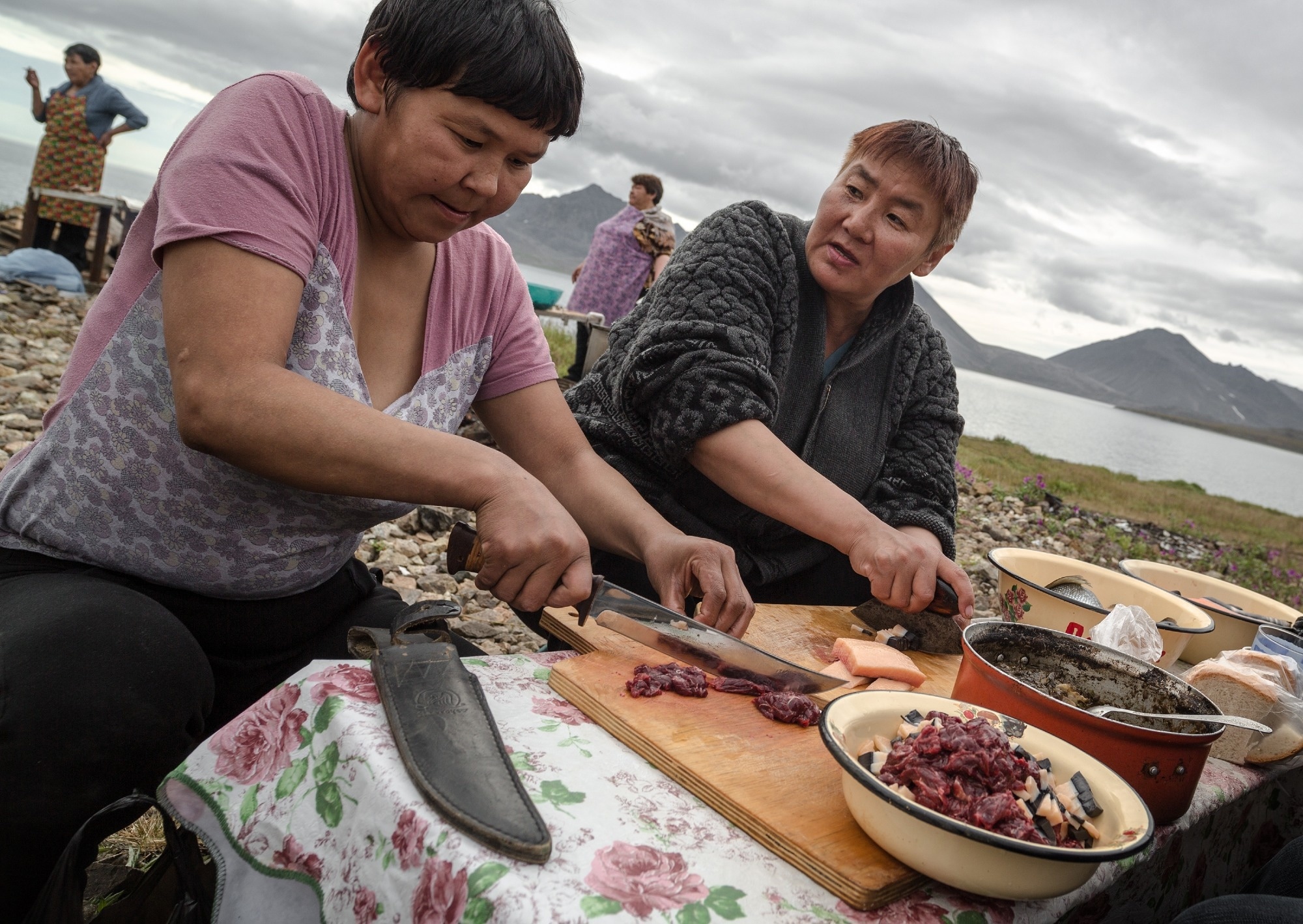 Image Credit: Andrei Stepanov / Shutterstock.com
Introduction
For centuries, Inuit populations have thrived in one of Earth's most extreme environments by relying on nutrient-dense animal-rich diets incorporating marine and terrestrial country foods. This traditional dietary pattern reflects thousands of years of adaptation to the Arctic and provides valuable insights into the health effects of replacing ancestral foods with modern processed alternatives.1
An overview of the traditional Inuit diet
The traditional Inuit diet is primarily characterized by marine animals like seals, walruses, and certain whale species, such as bowhead, narwhal, and beluga whales. Saltwater and freshwater fish species like Arctic char, Atlantic cod, halibut, and trout are also consumed throughout the year by these communities.1
Traditional country foods also include terrestrial mammals, birds, shellfish, local plants, and berries, with the relative contribution of individual foods varying considerably by community, region, season, and age.1,2 Although country foods supplied only 6.4-19.6% of total energy in the three Canadian Inuit regions examined in the 2007-08 Inuit Health Survey, they supplied approximately 23-52% of protein intake.2
Preparation practices are diverse: traditional animal foods may be eaten raw, frozen, cooked, or fermented rather than being universally consumed raw.2,6 Several country foods, including muktuk, local berries, fish eggs, caribou liver, and ringed seal liver, can contribute vitamin C. In the 2007-08 Inuit Health Survey, country foods accounted for about 17% of vitamin C intake in Nunavut but substantially less in the Inuvialuit Settlement Region and Nunatsiavut, illustrating important regional variation.2
Country foods are particularly important sources of several micronutrients. In the 2007-08 survey they supplied 28-54% of iron, up to 73% of vitamin D, 18-55% of vitamin B6, and 50-82% of vitamin B12, depending on region.2 Analyses of Arctic traditional foods have also identified sea-mammal fats and organ meats as rich sources of vitamins A, D, and E, while several Arctic fish species are especially rich in vitamin D.5 By contrast, country foods contributed less than 0.5% of carbohydrate and total sugar intake in the contemporary Inuit diets assessed.2
Traditional marine-food consumption has historically contributed substantially to long-chain n-3 polyunsaturated fatty-acid intake, and declining consumption of traditional foods has been accompanied by reduced n-3 fatty-acid intake in Greenland Inuit.4 However, cardiometabolic health cannot be attributed to diet alone because traditional subsistence lifestyles also involve substantial physical activity.4,7
This distinction was illustrated by a small cross-sectional study of 35 physically active Greenland Inuit. Participants consuming either a predominantly traditional diet or a Westernized diet all had normal oral glucose tolerance, and the groups did not differ in systolic or diastolic blood pressure. Nevertheless, the Western-diet group had higher total cholesterol and a more adverse distribution of small, dense LDL particles, although HDL cholesterol was also higher. The authors therefore concluded that the overall cardiovascular risk profile was less favorable in the Western-diet group while emphasizing that high daily physical activity may have helped preserve normal glucose tolerance in both groups.4
Broader dietary surveys also indicate that days including traditional foods tend to have a different nutrient profile from days without them. In Canadian Arctic adults, traditional-food days contained less carbohydrate, sugar, and total fat and more protein and numerous vitamins and minerals.3 In contrast, the 2007-08 Inuit Health Survey found that sweetened beverages, added sugar, and bread together supplied about 20% of total dietary energy while making relatively small contributions to most essential micronutrients.2
Documenting Inuit country food
Vitamin D, nutrition, and the gut microbiome
Limited ultraviolet exposure at high latitudes makes dietary vitamin D particularly relevant to Arctic nutrition. Analyses of Canadian Arctic traditional foods found substantial vitamin D concentrations in marine-mammal tissues and several fish species, with especially high values in some fish livers. In the dietary adequacy analysis reported by Kuhnlein and colleagues, Inuit were the only one of the three Arctic Indigenous groups studied considered likely to have adequate vitamin D intake.5
That finding should not be interpreted to mean that vitamin inadequacy is absent from contemporary Inuit diets. As traditional-food consumption has declined, vitamins A, D, and E have remained nutrients of concern in Canadian Inuit populations, while the 2007-08 Inuit Health Survey showed that country foods continued to provide as much as 73% of dietary vitamin D in some regions.2,5 In the earlier Arctic dietary assessment, all three Indigenous groups studied were estimated to have a very high prevalence of inadequate vitamin E intake.5
Diet may also influence biological systems relevant to metabolism and immunity through the gut microbiome, although direct immune benefits have not been established by the studies reviewed here. In a longitudinal study of Inuit participants in Resolute Bay, dietary choices explained about 17% of variation in gut microbial community composition within the Nunavut group, with raw fish, raw game meat, and fermented meats among the important dietary drivers.6
The Inuit microbiomes in that study did not show the clear seasonal shifts anticipated by the researchers and had overall diversity broadly similar to that of the Montréal comparison group. However, microbiome composition and diversity varied more within individuals over time in Nunavut, potentially reflecting more variable and individualized dietary patterns. These observations demonstrate an association between traditional foods and microbiome structure, but they do not establish that the diet directly enhances immune function or prevents immune-mediated disease.6
How Westernization is changing Inuit health
The shift from country foods toward market foods, particularly energy-dense and nutrient-poor products, has occurred alongside increasing obesity and diet-related chronic disease in Inuit populations. Successive studies reviewed across the Canadian Arctic indicate increasing prevalence of overweight and obesity, impaired glucose tolerance and type 2 diabetes, hypertension, hypercholesterolemia, and cardiovascular disease, although these trends reflect interacting dietary, physical-activity, social, and environmental changes rather than a single dietary cause.1 Much of this evidence is cross-sectional, however, and longitudinal research is needed to clarify causal relationships and changes over time.1,7
Contemporary dietary data illustrate the scale of this transition. Market foods provided approximately 80-94% of total energy in the three regions included in the 2007-08 Inuit Health Survey, while sweetened beverages were among the leading sources of dietary energy.2 Country-food consumption was also substantially higher among adults aged 40 years and older than among younger adults, consistent with evidence that the nutrition transition has been especially pronounced in younger generations.2,3,7
Food insecurity is also a major component of the contemporary nutrition environment: one comparison cited in the Inuit Health Survey literature reported moderate or severe food insecurity among Inuit at approximately four times the rate reported for non-Aboriginal Canadians.2 The drivers of dietary change extend well beyond personal preference. Reviews identify colonial processes, poverty and low socioeconomic status, high food and transportation costs, loss of traditional knowledge, changing food preferences, time constraints associated with schooling and employment, hunting and fishing restrictions, and climate change as barriers to harvesting and consuming country foods.1,7
Lower socioeconomic status and household food insecurity can restrict access to nutritious foods, whereas greater nutrition knowledge and food-related self-efficacy have been associated with healthier dietary intentions.7 Traditional harvesting itself has become costly because hunters require equipment, fuel, and other supplies, while nutritious market foods are also expensive in remote northern communities. These economic constraints interact with geographic isolation and transportation challenges, making both country foods and nutritious market foods difficult to access consistently.1,7
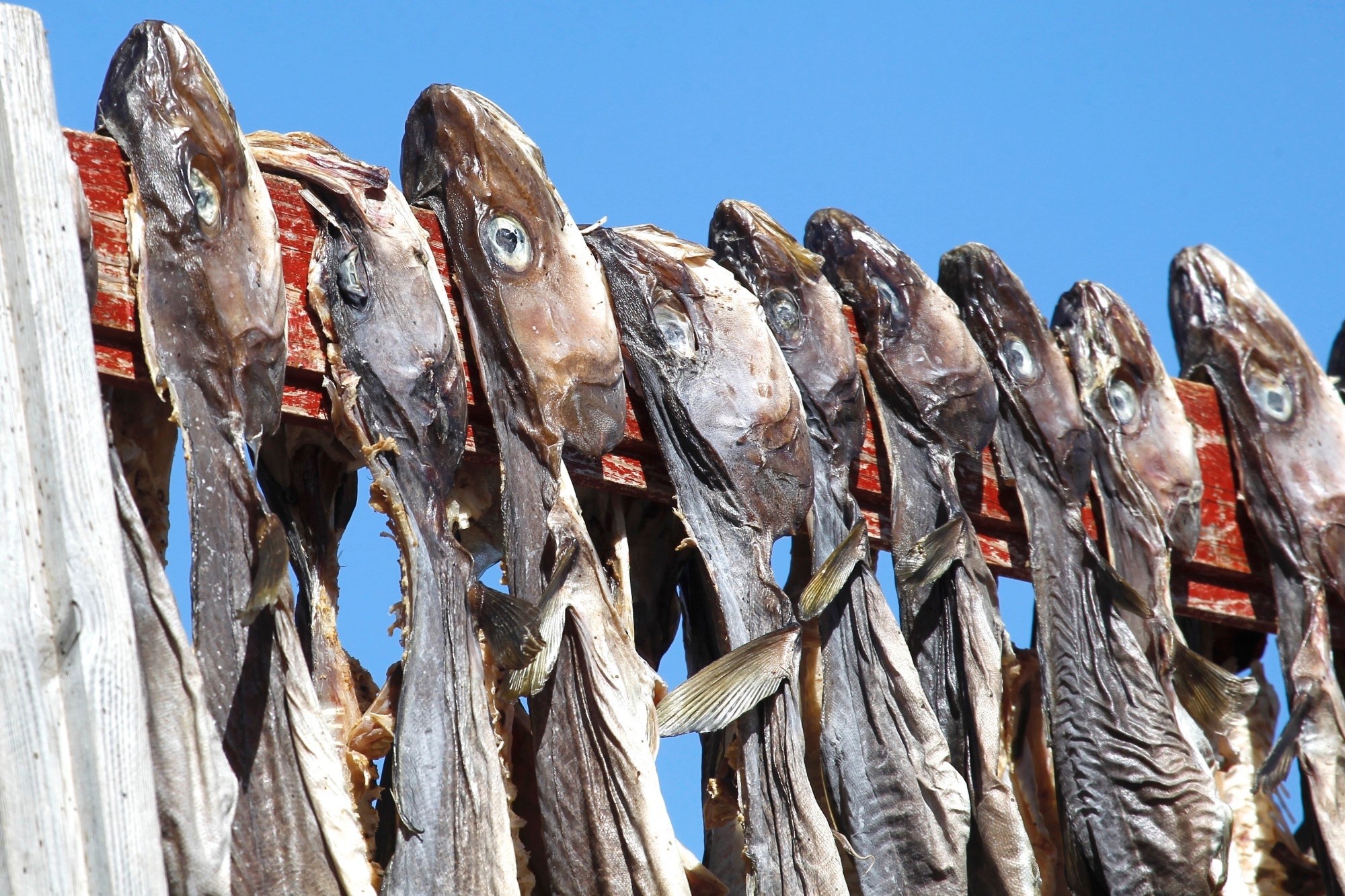 Image Credit: Chris Christophersen / Shutterstock.com
Future directions
Strengthening food sovereignty and supporting traditional food systems has the potential to improve health outcomes and food security in Inuit communities.7 Inuit-led recommendations reviewed in the literature include increased support for country-food harvesting, harvester-enabling infrastructure, equipment and supplies, skills development and mentorship, alongside improved affordability and accessibility of nutritious market foods.1
Community-based interventions provide some evidence that such approaches can be effective. Programs combining nutrition education with changes to the local food environment have improved dietary adequacy, nutrition knowledge, food-related self-efficacy, and healthier food intentions, while community freezers and other food programs can increase access to culturally appropriate foods in some northern communities.1,7
Modern nutritional research emphasizes the importance of many traditional Inuit foods as sources of essential micronutrients and beneficial fatty acids. Country-food recommendations must also balance nutritional, cultural, and social benefits against potential exposure to environmental contaminants and zoonotic and food-borne pathogens, with risk communication developed collaboratively with Inuit communities.1,2 Future research should therefore give greater priority to Inuit-led and community-defined solutions and combine Inuit knowledge with scientific evidence when designing resilient Arctic food systems.1
References
- Little, M., Hagar, H., Zivot, C., et al. (2021). Drivers and health implications of the dietary transition among Inuit in the Canadian Arctic: a scoping review. Public Health Nutrition 24(9); 2650-2668. DOI: 10.1017/S1368980020002402. https://www.cambridge.org/core/journals/public-health-nutrition/article/drivers-and-health-implications-of-the-dietary-transition-among-inuit-in-the-canadian-arctic-a-scoping-review/71B1C0B1BE782AA7E17F267E13EA2612
- Kenny, T. A., Hu, X. F., Kuhnlein, H. V., et al. (2018). Dietary sources of energy and nutrients in the contemporary diet of Inuit adults: results from the 2007–08 Inuit Health Survey. Public Health Nutrition 21(7); 1319-1331. DOI: 10.1017/S1368980017003810. https://www.cambridge.org/core/journals/public-health-nutrition/article/dietary-sources-of-energy-and-nutrients-in-the-contemporary-diet-of-inuit-adults-results-from-the-200708-inuit-health-survey/16680D888E617E2309616DEC3EB4BBCD
- Kuhnlein, H., Receveur, O., Soueida, R., & Egeland, G. (2004). Arctic Indigenous Peoples Experience the Nutrition Transition with Changing Dietary Patterns and Obesity. The Journal of Nutrition 134(6); 1447-1453. DOI: 10.1093/jn/134.6.1447. https://www.sciencedirect.com/science/article/pii/S0022316623028195
- Munch-Andersen, T., Olsen, D. B., Sondergaard, H., et al. (2012). Metabolic profile in two physically active Inuit groups consuming either a western or a traditional Inuit diet. International Journal of Circumpolar Health 71(1). DOI: 10.3402/ijch.v71i0.17342. https://www.tandfonline.com/doi/full/10.3402/ijch.v71i0.17342
- Kuhnlein, H., Barthet, V., Farren, A., et al. (2006). Vitamins A, D, and E in Canadian Arctic traditional food and adult diets. Journal of Food Composition and Analysis 19(6-7); 495-506. DOI: 10.1016/j.jfca.2005.02.007. https://www.sciencedirect.com/science/article/abs/pii/S088915750500044X
- Dubois, G., Girard, C., Lapointe, F. J. et al. (2017). The Inuit gut microbiome is dynamic over time and shaped by traditional foods. Microbiome 5; 151. DOI: 10.1186/s40168-017-0370-7. https://link.springer.com/article/10.1186/s40168-017-0370-7
- Akande, V.O., Hendriks, A. M., Ruiter, R. A. C., et al. (2015). Determinants of dietary behavior and physical activity among Canadian Inuit: a systematic review. International Journal of Behavioral Nutrition and Physical Activity 12; 84. DOI: 10.1186/s12966-015-0252-y, https://link.springer.com/article/10.1186/s12966-015-0252-y
Further Reading
Last Updated: Sep 9, 2026