Introduction
Types of dehydrated foods
Nutrition facts
Health benefits
Risks and safety concerns
Food safety and quality considerations
References
Further reading
From freeze-dried fruits to shelf-stable meals, modern dehydration technologies are transforming food preservation by improving nutrient retention, extending shelf life, and enhancing food safety while meeting the growing demand for convenient, portable nutrition.
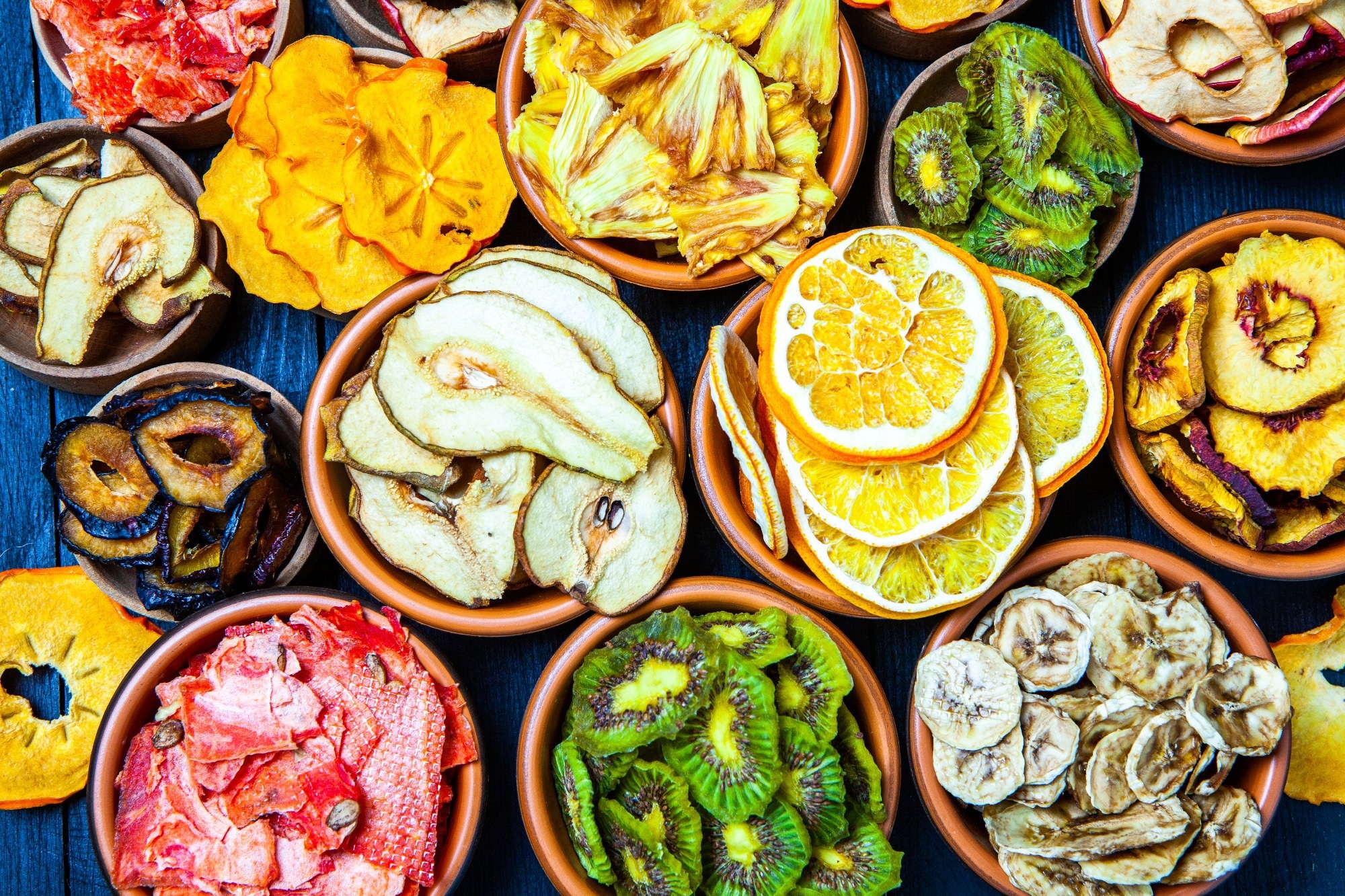 Image Credit: Nomad Pixel / Shutterstock.com
Introduction
From dried fruits and powdered milk to shelf-stable meals, dehydrated foods have a longstanding role in both traditional preservation practices and modern diets. By removing moisture, dehydration extends shelf life and improves storage efficiency while retaining significant nutritional value. However, the nutritional quality, texture, color, and safety of dehydrated foods depend strongly on the drying method, temperature, processing time, packaging, and storage conditions.2,3
Types of dehydrated foods
Fruits, vegetables, meats, herbs, dairy powders, and ready-to-eat meals are among the various food products dehydrated for commercial purposes. Dehydrating food involves removing most, rather than all, water content and lowering water activity to extend shelf life by inhibiting microbial growth.2,3
The selected dehydration method varies depending on the specific ingredient and desired quality, with the most common approaches including air drying and advanced techniques such as hot-air or freeze-drying. Other methods include sun drying, vacuum drying, microwave drying, radiant energy vacuum drying, heat-pump drying, and ultrasound-assisted drying.2,3 High-temperature methods can lead to nutrient degradation, especially of heat-sensitive vitamins. Compared with other techniques, low-temperature methods like freeze-drying effectively preserve structure, flavor, and nutrients by removing water at low temperatures under vacuum.
Drying methods also affect the physical characteristics of food, such as shrinkage, rehydration, and texture. Some products, such as jerky and other intermediate-moisture foods, are dried enough to limit spoilage while remaining chewable without rehydration.2 Thus, the appropriate selection of drying technology is essential to balance efficiency, food safety, and the preservation of nutritional and sensory qualities in dehydrated foods.2,3
Nutrition facts
Most nutrients in dehydrated foods remain intact after water is removed, especially macronutrients like fat, protein, and carbohydrates, which become more concentrated relative to the product's total weight. However, highly sensitive micronutrients can be adversely affected by the drying process, particularly when hot-air or high-temperature drying methods are used. For example, vitamins C and some B vitamins are particularly vulnerable to degradation when exposed to heat and/or oxygen during the drying process.2,3
Compared with other methods, certain minerals and dietary fiber remain stable during dehydration, retaining polyphenolic compounds and other bioactive substances, depending on the dehydration method and processing conditions. Dried fruits can also provide dietary fiber and phytochemicals such as phenolics, flavonoids, carotenoids, proanthocyanidins, and phytoestrogens, although their amounts and bioaccessibility vary by fruit type and processing method.1 Overall, freeze-drying, vacuum drying, and other sophisticated techniques better preserve nutrient quality than traditional thermal methods.1,2
In broccoli, oranges, and carrots, radiant energy vacuum drying retained vitamin C and β-carotene better than conventional air drying and produced results that were competitive with freeze-drying, while also reducing processing time.3
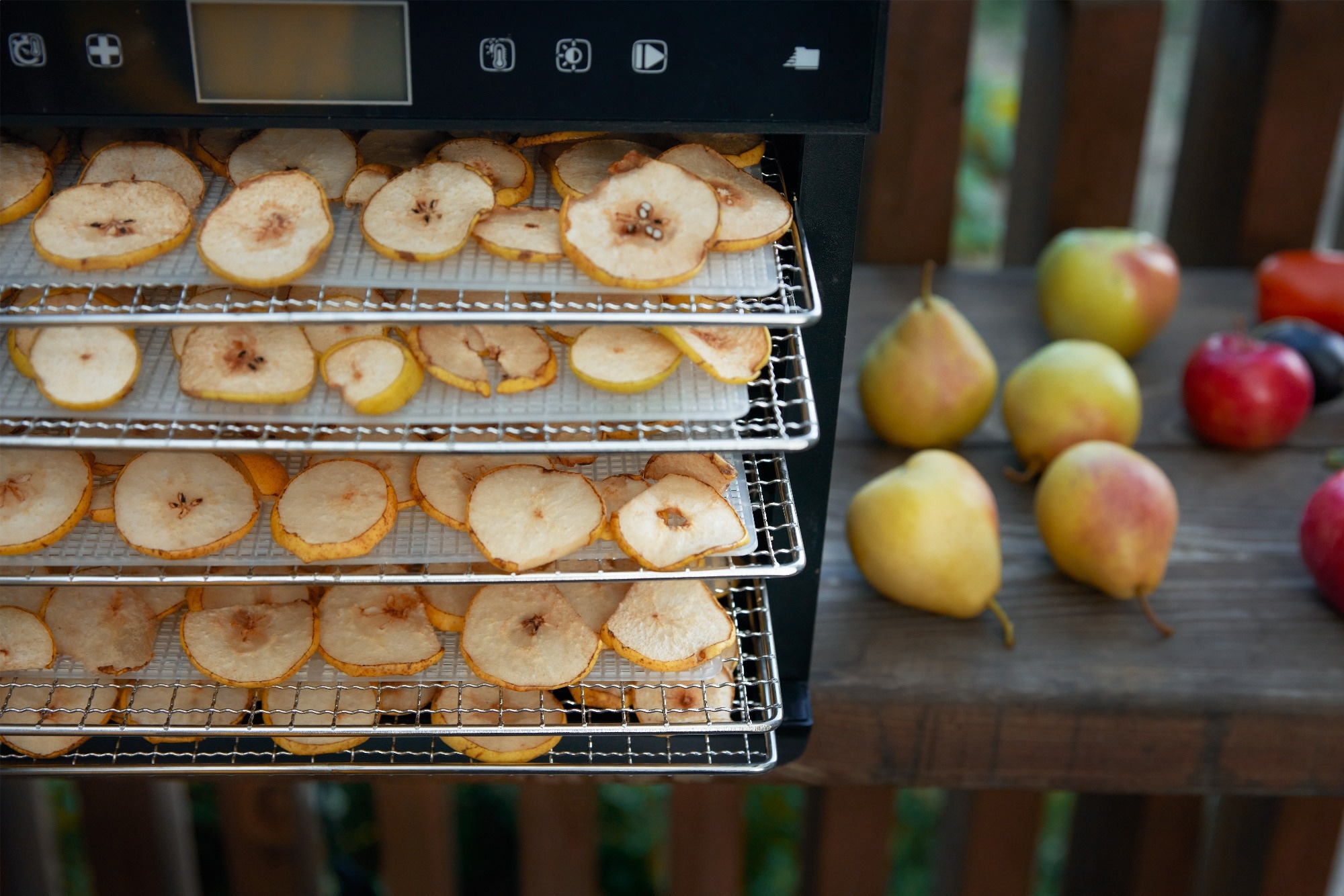 Image Credit: ROMAN DZIUBALO / Shutterstock.com
Health benefits
Dehydrated foods offer several practical and nutritional benefits, contributing to their growing use in modern diets. The primary advantage of dehydrated foods is their prolonged shelf life and low water content, which reduces the risk of microbial contamination. In regions with limited access to fresh produce or reliable storage infrastructure, dehydrated foods are a key element of food security and long-term food preservation.2
Dehydrated products are particularly desirable when traveling, during military activities, in times of disaster, or when supplying food for emergencies, as their compact nature and light weight make them easily portable and durable. Dried foods are convenient daily food options in small-space environments, such as cities or during outdoor activities like hiking and camping.2,3
Dehydrated foods retain important bioactive compounds, including antioxidants and phytochemicals, when processed under controlled conditions. These compounds have been correlated with positive health effects, including the ability to reduce oxidative stress and promote metabolic health. For dried fruits, evidence suggests possible benefits for diet quality, gut microbiota, bowel function, and cardiometabolic markers, but clinical and epidemiological evidence remains limited or mixed for several outcomes.1 Advanced drying methods like freeze-drying and vacuum drying are particularly effective at protecting these sensitive nutrients.1,3
Dried meat products can provide concentrated protein and minerals, including iron, zinc, and magnesium, although their health profile depends on the meat type, drying temperature, salt content, added ingredients, and processing conditions.2
Risks and safety concerns
Nutrient loss is a key limitation of dehydrated foods, particularly when high-temperature drying methods are used. Heat-sensitive compounds, such as vitamins and some bioactive molecules, can be partially lost during processes like hot-air drying, thereby reducing the food's nutritional value. The extent of nutrient loss depends on the drying temperature, duration, and technique employed.2,3
Although dehydration reduces water activity and limits microbial growth, it does not completely eliminate all pathogens. If drying conditions are suboptimal or subsequent storage conditions allow moisture reabsorption, the likelihood of microbial contamination increases. Thus, it is critical to ensure that appropriate temperatures, relative humidity, and processing times are selected during the drying process, and to follow proper hygiene practices for storing, handling, and preparing foods.2
Some dehydrated foods may also be high in added salt, sugar, or preservatives. Dried meats, in particular, may contain substantial amounts of sodium and can form undesirable compounds when exposed to high-temperature processing, prolonged oxidation, or poor storage conditions.2
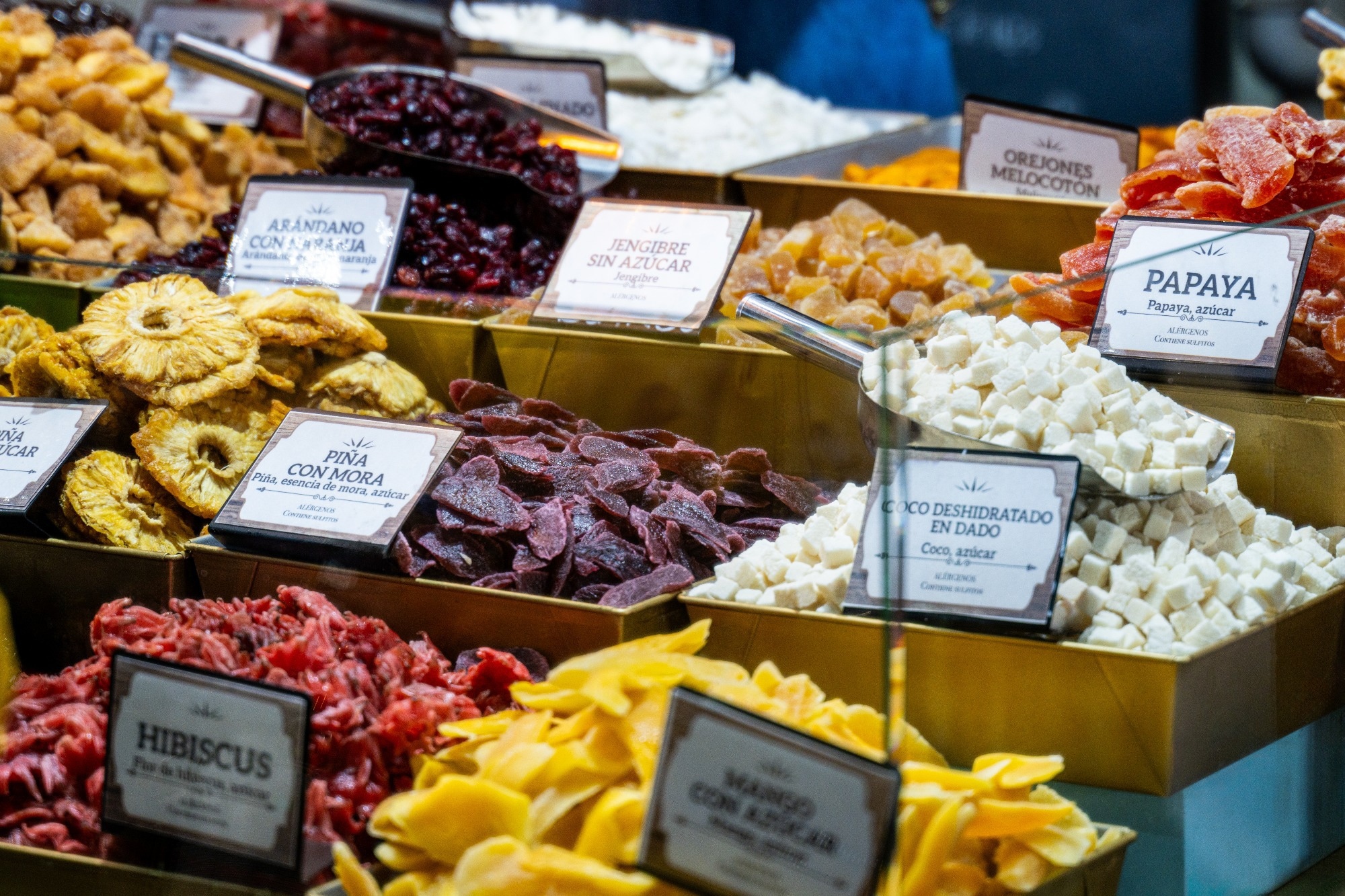 Image Credit: Sonialuna / Shutterstock.com
Food safety and quality considerations
Even when water is reduced rather than eliminated during dehydration, contamination can occur due to poor handling and hygiene practices, underscoring the importance of sterile packaging and storage to maintain the quality of dehydrated foods.
Product exposure to a humid environment may facilitate water resorption, thereby creating optimal conditions for microbial growth and spoilage. Airtight, moisture-resistant packaging and controlled storage environments are essential to preserve shelf stability, texture, and nutritional integrity over time.2
Advancements in drying technologies are increasingly improving both safety and quality. Techniques such as vacuum drying, freeze-drying, and ultrasound-assisted drying reduce microbial risks while preserving heat-sensitive nutrients and maintaining product consistency.2,3
Because some nutrients decline during storage even when water activity remains stable, shelf-life quality should be assessed by both microbial safety and nutrient retention, not moisture content alone.3
References
- Alasalvar, C., Chang, S. K., Kris-Etherton, P. M., et al. (2023). Dried Fruits: Bioactives, Effects on Gut Microbiota, and Possible Health Benefits - An Update. Nutrients 15(7). DOI: 10.3390/nu15071611. https://www.mdpi.com/2072-6643/15/7/1611
- Mediani, A., Hamezah, H. S., Jam, F. A., et al. (2022). A comprehensive review of drying meat products and the associated effects and changes. Frontiers in Nutrition 9. DOI: 10.3389/fnut.2022.1057366. https://www.frontiersin.org/journals/nutrition/articles/10.3389/fnut.2022.1057366/full
- Mohammadi, X., Deng, Y., Matinfar, G., et al. (2020). Impact of Three Different Dehydration Methods on Nutritional Values and Sensory Quality of Dried Broccoli, Oranges, and Carrots. Foods 9(10). DOI: 10.3390/foods9101464. https://www.mdpi.com/2304-8158/9/10/1464
Further Reading
Last Updated: May 13, 2026