After major weight loss with injectable incretin therapies, once-daily oral orforglipron helped participants preserve much of their progress, offering a potential maintenance option for people who stop injections.
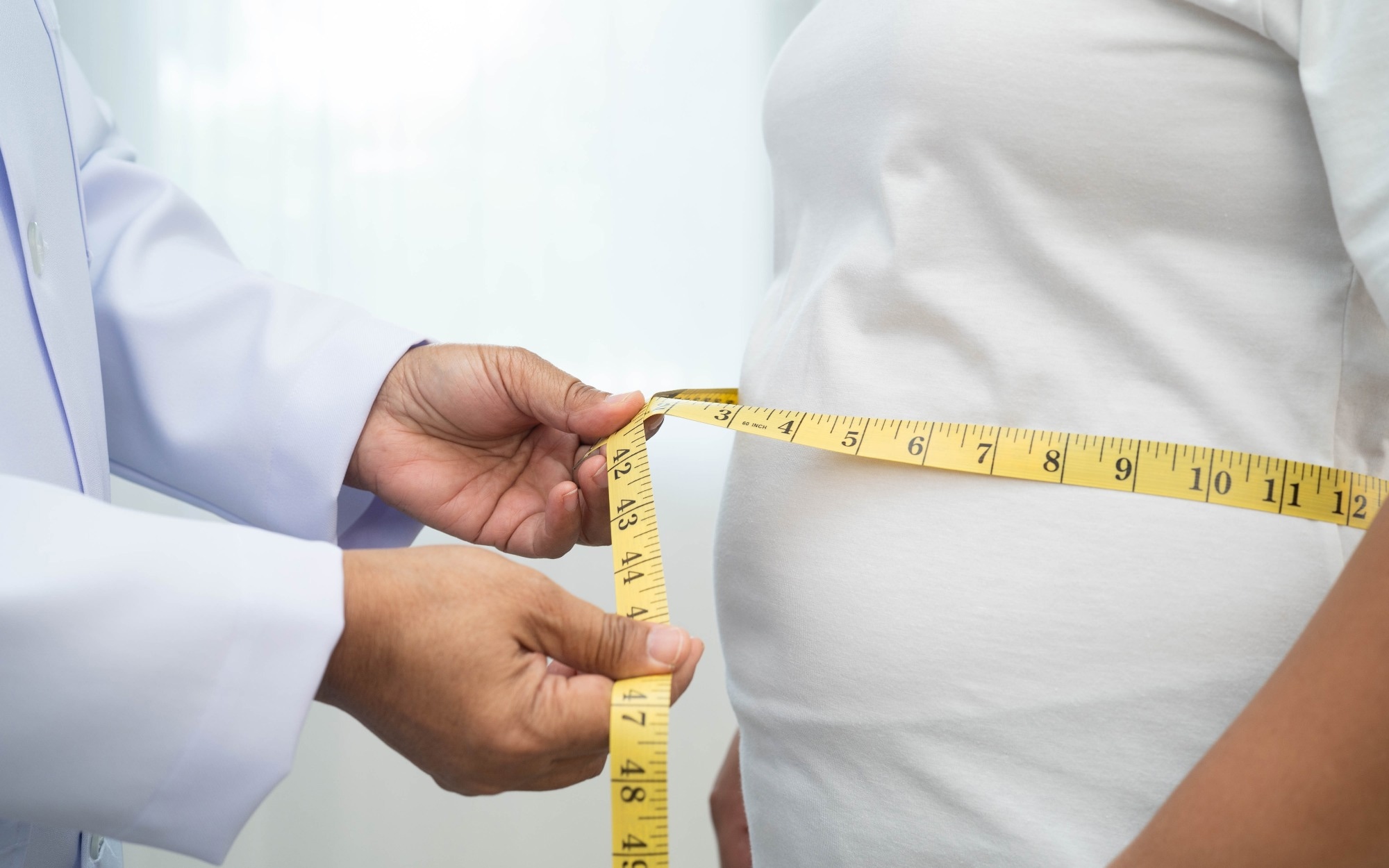
Trial: Orforglipron for maintenance of body weight reduction: the double-blind, randomized phase 3b ATTAIN-MAINTAIN trial. Image Credit: sweet_tomato / Shutterstock
A recent study published in the journal Nature Medicine showed the potential of an oral glucagon-like peptide 1 receptor agonist (GLP-1RA), orforglipron, for weight loss maintenance after injectable incretin-based treatment.
Oral Orforglipron Weight Maintenance Background
Obesity is a chronic, multifactorial, and relapsing disease. While incretins have improved obesity management, continued administration is necessary to maintain health benefits. Orforglipron is being investigated as a treatment for type 2 diabetes (T2D) and obesity. It has shown cardiometabolic improvements and weight-loss efficacy, with a safety profile generally similar to that reported for injectable GLP-1RAs in prior studies. As an oral, non-peptide therapy, orforglipron can potentially eliminate some barriers to injectable therapy.
ATTAIN-MAINTAIN Trial Study Design
In the present study, researchers evaluated the safety and efficacy of orforglipron in body weight maintenance after treatment with injectables. In the SURMOUNT-5 study, adults with obesity or a body mass index (BMI) of at least 27 kg/m² with obesity-related complications, but without diabetes, received semaglutide or tirzepatide for 72 weeks. The current trial, namely ATTAIN-MAINTAIN, randomized SURMOUNT-5 participants to receive orforglipron or placebo once daily.
Participants were initiated on 12 mg orforglipron, or a matching placebo, within 14 days of the last dose in SURMOUNT-5. Orforglipron dose was increased every four weeks until maximum tolerated dose (MTD) or 36 mg, and this was continued until the end of the 52-week study. The study’s primary endpoint was the percent maintenance of body weight reduction in individuals with plateaued body weight, viz., < 5% weight change during weeks 60–72 in SURMOUNT-5.
Key secondary endpoints included maintaining ≥80% body weight loss among participants with plateaued body weight, along with other measures assessed across all participants. Safety endpoints were treatment-emergent adverse events (TEAEs), serious adverse events (SAEs), and discontinuation due to adverse events (AEs). Exploratory endpoints were changes in cardiometabolic parameters, use of rescue orforglipron for weight regain of ≥ 50% of the weight loss attained in SURMOUNT-5, and changes in patient-reported outcomes.
Weight Loss Maintenance Trial Findings
The trial assigned 205 tirzepatide recipients (cohort 1) and 171 semaglutide recipients (cohort 2) from SURMOUNT-5 to receive orforglipron or placebo. Participants’ mean age was similar in both cohorts (~49 years). The study population was predominantly White (~74%) and female (~65%). The mean BMI was 31.2 kg/m2 in cohort 1 and 33.2 kg/m2 in cohort 2. About 77% and 80% of participants in cohorts 1 and 2, respectively, completed the study treatment.
In cohort 1, participants with body weight plateau maintained about 75% of the weight reduction with orforglipron compared to 49% with placebo. Further, 43.7% of orforglipron recipients in cohort 1 maintained at least 80% of the weight loss achieved in SURMOUNT-5, compared to 16.4% of placebo recipients. The orforglipron group also maintained reductions in cardiometabolic risk factors, including glycated hemoglobin, lipid markers, insulin levels, and fasting glucose levels.
In cohort 2, participants with body weight plateau maintained ~79% of weight loss with orforglipron compared to ~38% with placebo. Moreover, 55% of individuals assigned to orforglipron maintained at least 80% of the weight loss achieved in SURMOUNT-5, while about 7% maintained it with placebo. Consistently, reductions in cardiometabolic risk factors achieved in SURMOUNT-5 were preserved with orforglipron.
Rescue Therapy and Safety Findings
Rescue therapy with 1 mg orforglipron was initiated for placebo subjects who regained ≥ 50% of the weight loss achieved in SURMOUNT-5. Dose escalation until MTD was permitted every four weeks. Thirty-nine individuals in cohort 1 and 42 subjects in cohort 2 received rescue treatment with orforglipron. In both cohorts, only 37 individuals originally assigned to the placebo completed it without receiving an active treatment (e.g., orforglipron rescue or other obesity medication), which complicates the interpretation of placebo comparisons after week 24.
About 4.8%–7.3% of participants in both cohorts discontinued treatment due to AEs with orforglipron. Nausea, diarrhea, vomiting, and constipation were the most common AEs with orforglipron. AE severity was mostly mild to moderate. SAEs were reported by five participants, including three in the orforglipron group in cohort 1 and one each in both groups in cohort 2. One death in the cohort 2 orforglipron group was recorded and was deemed unrelated to the study treatment.
Orforglipron Obesity Treatment Implications
The study evaluated the transition from injectable to oral, non-peptide GLP-1RA treatment for obesity. Participants on orforglipron maintained clinically meaningful and significant body weight loss achieved with injectables. On average, orforglipron treatment was associated with average body weight reductions from week 0 to week 52 of ATTAIN-MAINTAIN of about 5 kg in cohort 1 and 1 kg in cohort 2 while largely preserving prior injectable-associated weight loss. The findings were consistent with prior orforglipron trial data and with the broader safety profile reported for GLP-1 receptor agonists.
The study’s limitations include a predominantly White population from the United States (US), a trial duration of one year, rescue therapy after week 24 that limited pure placebo comparisons, and the lack of continued treatment with injectables as a comparator.
Overall, once-daily oral orforglipron treatment minimized body weight changes following weight loss achieved with injectable semaglutide or tirzepatide in people living with obesity without T2D. As such, switching to orforglipron could help maintain weight loss in people who discontinue injectable treatment.
Journal reference:
- Aronne LJ, Horn DB, le Roux CW, et al. (2026). Orforglipron for maintenance of body weight reduction: the double-blind, randomized phase 3b ATTAIN-MAINTAIN trial. Nature Medicine. DOI: 10.1038/s41591-026-04386-7, https://www.nature.com/articles/s41591-026-04386-7
 Semaglutide’s heart benefits may extend beyond weight loss