Even after weight loss, CD4 T cells may retain an obesity-linked inflammatory memory, revealing why immune recovery may lag behind metabolic improvement.
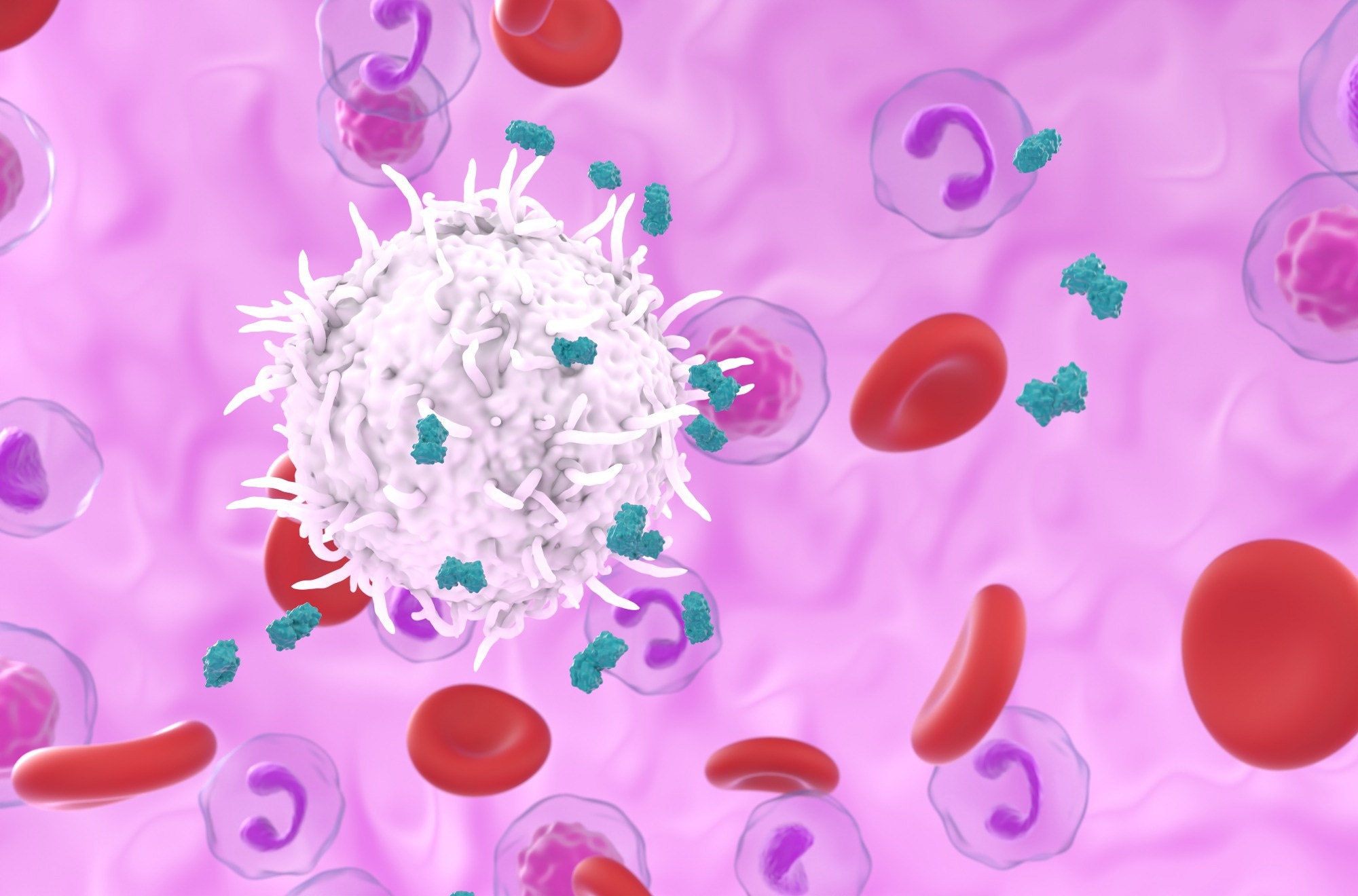
Study: DNA methylation-mediated memory of obesity in CD4 T lymphocytes perpetuates immune dysregulation. Image Credit: Nemes Laszlo / Shutterstock
A recent study published in the journal EMBO Reports demonstrated that obesity imprints cluster of differentiation 4 (CD4) T lymphocytes via DNA methylation, leading to a prolonged time lag that may span several years before the restoration of adaptive immune homeostasis after weight loss.
Obesity, Weight Regain, and Immune Memory
Obesity is a significant global health crisis, and its prevalence in children is increasing at an alarming pace. In England, 12.1% and 10.1% of children aged 4–5 years are overweight and obese, respectively. Notably, childhood obesity is likely to persist into adulthood. Further, 80% of people who lose weight eventually regain weight, with immune-mediated memory of obesity possibly contributing to this regain.
Weight Loss and CD4 T-Cell Recovery Study
In the present study, researchers evaluated whether weight loss after weight gain restores adaptive immune homeostasis. First, female mice were assigned to one of three dietary regimens: chow diet (CD) for 14 weeks; high-fat diet (HFD) for 14 weeks; or recovery (HFD for eight weeks, followed by CD for six weeks). Although overall body weight was similar across groups, HFD-fed mice had greater abdominal adipose tissue mass, while the recovery group’s adipose tissue mass was comparable to that of the chow-fed group.
Mice in each group were immunized with splenocytes from males to elicit a polyclonal T-cell response. Analysis of CD4 T effector memory (Tem) cells from lymph nodes showed that inflammatory Tem cells in the recovery group aligned more closely with those in the HFD group than with those in CD-fed mice. This suggested the obesity-related bias of T cells lingers long after weight loss.
With a longer dietary regimen in which the recovery group was fed an HFD for eight weeks, followed by CD for 12 weeks, Tem response was more comparable to that of the CD group, indicating a return to immune homeostasis. Next, the researchers examined three human cohorts to ascertain whether these findings translate to humans. One cohort consisted of people living with obesity on semaglutide treatment. Analysis of the Tem population showed no significant changes in weight after six months of weight loss.
The second cohort included people with an autosomal recessive genetic disorder, Alström syndrome, who exhibit extreme insulin resistance and obesity or overweight. In this cohort, there was an increase in CD4 Tem cells associated with the disease status. The third cohort comprised participants with a mean body mass index (BMI) of 33.2 kg/m2 in an exercise training trial, in which BMI and body composition did not change significantly. In this cohort, exercise training did not significantly affect Tem populations compared with controls.
DNA Methylation and Obesity-Imprinted T Cells
These data suggested that metabolic disorders and weight gain are associated with elevated CD4 Tem cells, while short-term weight loss may not readily restore adaptive immune homeostasis in humans. Next, differential methylation analyses compared naïve and memory CD4 T cells in mice. About 104 genes with similar methylation patterns were identified in Tem cells from recovery and HFD groups compared to the CD group; 34 genes were hypermethylated, and 70 were hypomethylated.
Focusing on hypomethylated genes, which are likely to increase expression, the team identified B cell lymphoma 6 (Bcl6), a known inducer of the memory response in T cells, and three others implicated in obesity-related pathways, such as autophagy, mitochondrial metabolism, and cell cycle arrest or senescence: serine/threonine kinase 26 (STK26), isocitrate dehydrogenase (NAD(+)) 3 gamma (IDH3G), and cyclin dependent kinase inhibitor 1C (CDKN1C).
Further, CD4 T cells from healthy donors were activated following incubation with saturated fatty acids (SFAs), such as stearic acid or palmitate, or with oleic acid, a monounsaturated fatty acid (MUFA). SFA exposure led to a Tem phenotype, whereas Idh3g expression was unaffected by SFA or MUFA treatment. In addition, palmitate exposure upregulated Stk26 gene and protein expression, as well as CDKN1C gene expression.
SFA treatment also increased the proportion of senescence-related terminal effector memory T (TEMRA) cells. Further, mice with STK26 deletion subjected to an eight-week CD or HFD showed impaired autophagy and reduced expansion of inflammatory Tem populations. Next, the team examined human CD4 T cells treated with oleic acid, palmitate, or stearic acid, using confocal microscopy.
SFAs increased lipid packing, reflecting higher membrane order, whereas oleic acid decreased lipid packing, indicating reduced membrane order. Furthermore, palmitate treatment decreased DNA methylation at several cytosine-phosphate-guanine (CpG) sites within STK26. Finally, the researchers noted that palmitate-activated human CD4 T cells impaired Akt signaling and promoted the expression of several adipogenic genes in adipocytes.
Immune Recovery After Weight Loss Implications
In sum, adaptive immune homeostasis is not immediately restored following weight loss. As such, people with a history of obesity may remain susceptible to subsequent weight gain and chronic inflammation. The authors suggest that immune recovery may require several years of sustained weight maintenance, potentially 5–10 years, although this remains to be confirmed in long-term human studies. The findings emphasize the importance of maintaining a healthy weight and identify cell functions (immune senescence and autophagy) and molecular candidates (CDKN1C and STK26) as potential therapeutic avenues that could be explored to promote the return to immune homeostasis after weight loss.
 Gut microbiota may shape eating behavior and guide new obesity treatments