Longevity medicine opens up new options for laboratories to support preventive and individualized care. Advanced biomarker testing enables laboratories and practitioners to assess biological aging, monitor intervention outcomes, and provide personalized recommendations for healthy aging and disease prevention.
What is longevity?
Longevity focuses on extending healthspan (the number of years spent in excellent health) through proactive, individualized healthcare interventions. Lifestyle adjustments, nutrition, targeted medicines, and preventive interventions can all aid with healthier aging, while biomarker testing monitors biological aging and guides tailored health plans.1
Why biomarkers matter in longevity medicine
Longevity medicine seeks to increase life spans through proactive and individualized care. Biomarkers provide vital information about biological aging processes, allowing practitioners to assess inflammation, hormonal balance, muscle health, stress, brain resilience, and metabolic function.
Advanced biomarker testing supports:
- Preventive and precision medicine programs
- Monitoring lifestyle interventions
- Personalized health strategies
- Longitudinal patient follow-up
- Early risk assessment
Biomarkers
The following sections will look at key biomarkers, including DHEA and cortisol, Titin, alpha-Klotho, Free 25-OH Vitamin D, suPAR, and sIL-2R. This article will outline their individual characteristics, unique value, and relevance to longevity, emphasizing their links to healthy aging.
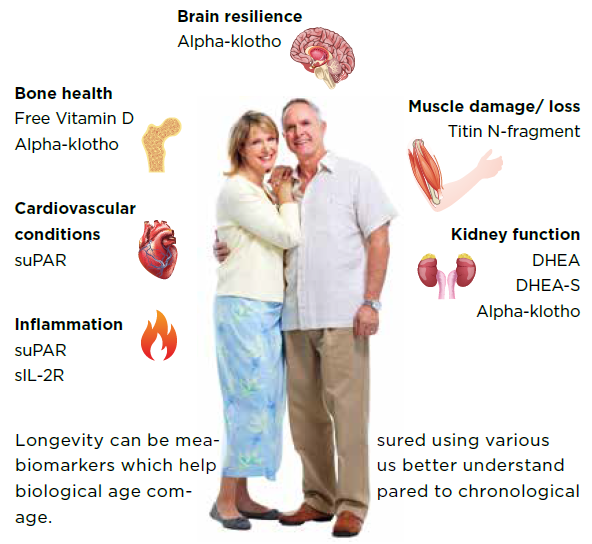
Figure 1. Longevity concept for the laboratory. Image Credit: IBL International GmbH, Part of Tecan Group
Key biomarkers for healthy aging
DHEA: The anti-aging hormone
DHEA (dehydroepiandrosterone) and its sulfate ester, DHEA-S, are important precursors of testosterone and estrogens. Levels rise throughout adrenarche, peak in early adulthood, and then gradually fall with aging, reaching extremely low levels by age 80. DHEA and DHEA-S are commonly referred to as "anti-aging hormones" because of their significant age-related reduction.
DHEA and cortisol balance
DHEA has immunomodulatory, antidiabetic, neuroprotective, and possibly anti-aging properties.2 Aging causes a hormonal change in which DHEA-S drops and cortisol increases, compromising brain, bone, and cardiovascular health.3
According to studies such as Heaney et al. (2012),4 decreased DHEA and a greater cortisol/DHEA ratio are associated with cognitive and immunological deficits, reduced daily functioning, and increased infection risk in older persons under chronic stress.
Steroid hormone testing in saliva enables the precise determination of the physiologically active ("free") proportion of target hormones.
Non-invasive saliva collection allows for convenient longitudinal monitoring and improves patient compliance in preventive health initiatives. Saliva immunoassays are highly sensitive and validated, with well-defined normal values, enabling reliable, simple measurement of physiologically active steroid hormones.
The measurement of DHEA and cortisol offers quantitative data on adrenal hormone levels, which aids in the assessment of adrenal function and hormone balance, physiological conditions important in judging longevity interventional considerations. DHEA testing can also be used to assess hormone imbalances and physiological state in adults.
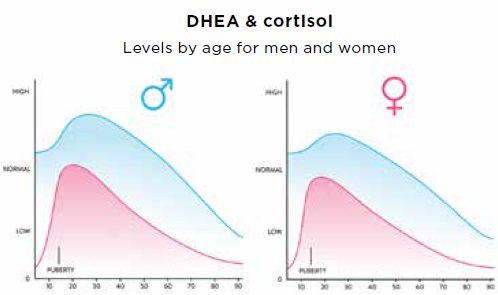
Figure 2. DHEA and cortisol levels decrease with age. Image Credit: IBL International GmbH, Part of Tecan Group
Source: IBL International GmbH, Part of Tecan Group
| Products |
Dehydroepiandrosterone (DHEA)
Saliva ELISA |
RE52651 |
CE IVDR |
| Cortisol Saliva ELISA |
RE52611 |
CE IVDR |
Cortisol Saliva Luminescence
Immunoassay |
30221150/30221151 |
CE IVDR |
Titin: The giant protein
Titin is the largest protein (3800 kDa) in the human body, located in muscle cells. It operates like a spring, allowing muscles to extend and then return to their original shape. Titin is the most abundant protein in the human body and is essential for muscle strength and flexibility.
Titin in the context of longevity
Sarcopenia, or loss of muscle mass and function, is a primary cause of frailty and loss of independence as people age. Titin N-Fragment is a novel biomarker of muscle deterioration that allows for early assessment and monitoring of muscle health.
Sarcopenia is defined as:
- An age-related disease that causes progressive loss of skeletal muscle mass, strength, and physical function
- A diagnosable and treatable condition, with muscle mass index used as an important diagnostic tool
- It affects 16–29% of those over 80 years old
The Titin N-Fragment can be evaluated in urine or serum as a biomarker of interest in studies of muscle protein turnover and skeletal muscle biology. Sarcopenia, frailty, and muscular degeneration are active topics of scientific inquiry, with studies looking into factors such as nutrition and exercise.
Urine and serum-based tests enable laboratories to quantitatively assess Titin N-Fragment. Titin N-Fragment ELISAs are used to detect muscle-related biomarkers in urine and serum samples.
Sarcopenia and frailty are not inevitable. A protein-rich diet, vitamin D, and targeted exercise have all been shown to be beneficial for prevention.6,7
Source: IBL International GmbH, Part of Tecan Group
| Products |
| Titin N-Fragment (urine) ELISA* |
30124254 |
RUO |
| Titin N-Fragment (serum) ELISA* |
30229554 |
RUO |
α-Klotho: The name says it all
α-Klotho, named after the Greek myth of Clotho (who spins the thread of life), is a protein associated with lifespan, kidney function, vitamin D metabolism, and cognitive resilience. Reduced α-Klotho levels have been linked to age-related decline and chronic diseases.
Altered α-Klotho levels have been linked to kidney dysfunction, metabolic disease, and age-related deterioration, making it a valuable biomarker for longevity studies.8,9
Several studies have shown that higher α-Klotho levels can lead to enhanced cognitive and mental resilience.10–12 People with higher levels have seen decreased susceptibility to brain damage, including infections and neurodegenerative illnesses.
Recent data from the FIT-AGEING study in Spain indicates that moderate physical exercise is the most efficient approach to increase alpha-Klotho.13–15 In contrast, neither sedentary nor extreme exercises provide the same benefits.
This knowledge enables people to make more educated decisions that have a real influence on their health over time. α-Klotho is a promising biomarker for studies on aging and cellular processes.
The IBL-Japan α-Klotho ELISA is a widely used assay for measuring soluble α-Klotho in aging and lifespan research, with over 400 articles citing it.13-15
Source: IBL International GmbH, Part of Tecan Group
| Products |
| Soluble alpha-Klotho ELISA* |
JP27998 |
RUO |
| Secreted alpha-Klotho ELISA* |
30218642 |
RUO |
* Distributed by Tecan, IBL International GmbH
RUO: Research Use Only, not for use in clinical diagnostics.
Free 25-OH vitamin D: A more accurate view of vitamin D status
Vitamin D promotes bone health, immunological function, and overall well-being. Accurately assessing vitamin D level is thus a crucial component of patient evaluation.
The total 25-OH vitamin D measurement may not accurately represent vitamin D bioavailability in all people. Measurement of free 25-OH vitamin D offers additional information on the physiologically active fraction and allows for a more individualized assessment of vitamin D status.16
Though many people take vitamin D supplements, individual requirements vary substantially. Regular monitoring, together with dietary and lifestyle considerations, promotes adequate vitamin D balance and more individualized health management - all being important steps in longevity medicine.
The free 25-OH Vitamin D ELISA is a simple and reliable test for directly measuring free 25-OH vitamin D in serum samples.
Source: IBL International GmbH, Part of Tecan Group
| Products |
| Free 25-OH Vitamin D ELISA* |
30113750 |
CE IVDD |
suPAR: Biomarker of chronic inflammation
suPAR (soluble urokinase Plasminogen Activator Receptor) is a blood protein that indicates the level of immune system activity. It is the shed membrane-bound receptor uPAR found in immunological and senescent (aged) cells.
Chronic low-grade inflammation (or "inflammaging") is a primary cause of biological aging and age-related diseases.17 SuPAR is a novel biomarker that detects prolonged immune activation and systemic inflammation. Elevated suPAR levels indicate faster aging, increased illness risk, and higher mortality, whereas low levels indicate good health and gradual aging.
SuPAR's predictive power outperforms established markers, providing actionable insights. Levels can be reduced by lifestyle modifications such as exercise, nutrition, stress management, and quitting smoking.18,19
Unlike traditional inflammatory indicators, suPAR gives long-term insight into biological aging processes, allowing for risk categorization, preventive health evaluation, and monitoring of lifestyle changes.
Source: IBL International GmbH, Part of Tecan Group
| Products |
| suPARnostic ELISA* |
VG51001 |
CE IVDD |
sIL-2R: Marker for T-cell activation
The sInterleukin-2-Receptor ELISA is designed to quantify human soluble IL-2 receptor (sIL-2R) levels in serum and plasma (EDTA, citrate, heparin). sIL-2R levels can be used as a physiological marker to indicate inflammation in the body, in vivo immune system activation, and response activity.
The interleukin-2 receptor (IL-2R) is a monomeric, heterodimeric, or trimeric protein produced on the surface of some immune cells, such as lymphocytes, that binds and responds to a cytokine termed IL-2.1,2
Interleukin-2 (IL-2) is a body-made signaling molecule primarily produced by activated T-cells. The sIL-2R quantifies soluble IL-2 receptor levels in human serum and plasma samples, allowing for the assessment of inflammation and immune system activation.
Source: IBL International GmbH, Part of Tecan Group
| Products |
| soluble Interleukin-2-Receptor ELISA (sIL-2R) |
30201813 |
CE IVDR |
Longevity biomarker solutions for laboratories
Tecan provides laboratories with biomarker testing solutions for aging and lifespan research, as well as laboratory-developed and in vitro diagnostic applications as needed.
Benefits
- Comprehensive biomarker portfolio for aging and lifespan research
- Provides high-quality research and clinical laboratory testing
- Offers scientific expertise and application support
- Flexible options to meet evolving biomarker testing needs
Applications include
- Evaluation of biomarkers linked to muscle health and physical function investigations
- Provide biomarker testing options for population health and preventative health research efforts
- Measurement of biomarkers for biological aging studies
- Evaluate biomarker changes in lifestyle and intervention trials
- Research on biomarkers associated with stress response and cognitive health
- Support nutrition, wellness, and healthy aging research projects
References and further reading
- Deutsche Longevity Gesellschaft e.V. (2024). Longevity deutsch erklärt: Was bedeutet Langlebigkeit wirklich? https://www.deutsche-longevity-gesellschaft.de/blog/longevity-deutsch.
- Yen (2001). Dehydroepiandrosterone sulfate and longevity: New clues for an old friend. Proceedings of the National Academy of Sciences of the United States of America, 98(15), pp.8167–8169. DOI: 10.1073/pnas.161278698. https://www.pnas.org/doi/10.1073/pnas.161278698.
- Laughlin, G.A. and Barrett-Connor, E. (2000). Sexual Dimorphism in the Influence of Advanced Aging on Adrenal Hormone Levels: The Rancho Bernardo Study1. The Journal of Clinical Endocrinology & Metabolism, 85(10), pp.3561–3568. DOI: 10.1210/jcem.85.10.6861. https://academic.oup.com/jcem/article-abstract/85/10/3561/2852024?redirectedFrom=fulltext.
- Heaney, J.L.J., Phillips, A.C. and Carroll, D. (2012). Ageing, physical function, and the diurnal rhythms of cortisol and dehydroepiandrosterone. Psychoneuroendocrinology, 37(3), pp.341–349. DOI: 10.1016/j.psyneuen.2011.07.001. https://www.sciencedirect.com/science/article/abs/pii/S0306453011001867?via%3Dihub.
- Nakanishi, N., et al. (2021). Urinary Titin N-Fragment as a Biomarker of Muscle Atrophy, Intensive Care Unit-Acquired Weakness, and Possible Application for Post-Intensive Care Syndrome. Journal of Clinical Medicine, 10(4), p.614. DOI: 10.3390/jcm10040614. https://www.mdpi.com/2077-0383/10/4/614.
- Kakehi, S., et al. (2021). Rehabilitation Nutrition and Exercise Therapy for Sarcopenia. The World Journal of Men’s Health, 39(1). DOI: 10.5534/wjmh.200190. https://wjmh.org/DOIx.php?id=10.5534/wjmh.200190.
- Yamaguchi, S., et al. (2020). Changes in Urinary Titin N-terminal Fragment Concentration after Concentric and Eccentric Exercise. Journal of Sports Science & Medicine, 19(1), p.121. Available at: https://pmc.ncbi.nlm.nih.gov/articles/PMC7039023/.
- Hu, M.C., et al. (2017). Recombinant α-Klotho may be prophylactic and therapeutic for acute to chronic kidney disease progression and uremic cardiomyopathy. Kidney International, 91(5), pp.1104–1114. DOI: 10.1016/j.kint.2016.10.034. https://www.kidney-international.org/article/S0085-2538(16)30649-4/fulltext.
- Lee, E.Y., et al. (2014). Soluble α-Klotho as a Novel Biomarker in the Early Stage of Nephropathy in Patients with Type 2 Diabetes. PLoS ONE, 9(8), pp.e102984–e102984. DOI: 10.1371/journal.pone.0102984. https://journals.plos.org/plosone/article?id=10.1371/journal.pone.0102984.
- Hosseini, L., et al. (2024). Klotho: molecular mechanisms and emerging therapeutics in central nervous system diseases. Molecular Biology Reports, 51(1). DOI: 10.1007/s11033-024-09862-2. https://link.springer.com/article/10.1007/s11033-024-09862-2.
- Yokoyama, J.S., et al. (2016). Systemic klotho is associated with KLOTHO variation and predicts intrinsic cortical connectivity in healthy human aging. Brain Imaging and Behavior, 11(2), pp.391–400. DOI: 10.1007/s11682-016-9598-2. https://link.springer.com/article/10.1007/s11682-016-9598-2.
- Shardell, M., et al. (2015). Plasma Klotho and Cognitive Decline in Older Adults: Findings From the InCHIANTI Study. The Journals of Gerontology Series A: Biological Sciences and Medical Sciences, 71(5), pp.677–682. DOI: 10.1093/gerona/glv140. https://academic.oup.com/biomedgerontology/article-abstract/71/5/677/2465607?redirectedFrom=fulltext.
- Amaro-Gahete, F.J., et al. (2019). Exercise training increases the S-Klotho plasma levels in sedentary middle-aged adults: A randomised controlled trial. The FIT-AGEING study. Journal of Sports Sciences, 37(19), pp.2175–2183. DOI: 10.1080/02640414.2019.1626048. https://www.tandfonline.com/doi/full/10.1080/02640414.2019.1626048.
- Amaro‐Gahete, F.J., et al. (2019). Association of physical activity and fitness with S-Klotho plasma levels in middle-aged sedentary adults: The FIT-AGEING study. Maturitas, 123, pp.25–31. DOI: 10.1016/j.maturitas.2019.02.001. https://www.maturitas.org/article/S0378-5122(18)30671-6/abstract,
- Ginés Navarro-Lomas., et al. (2024). Exercise-induced changes in plasma S-Klotho levels are associated with the obtained enhancements of heart rate variability in sedentary middle-aged adults: the FIT-AGEING study. Journal of Physiology and Biochemistry, 80(2), pp.317–328. DOI: 10.1007/s13105-023-01005-8. https://link.springer.com/article/10.1007/s13105-023-01005-8.
- Tsuprykov, O., et al. (2018). Why should we measure free 25(OH) vitamin D? The Journal of Steroid Biochemistry and Molecular Biology, 180, pp.87–104. DOI: 10.1016/j.jsbmb.2017.11.014. https://www.sciencedirect.com/science/article/abs/pii/S0960076017303643?via%3Dihub.
- Rasmussen, L.J.H., et al. (2021). Soluble Urokinase Plasminogen Activator Receptor (suPAR) as a Biomarker of Systemic Chronic Inflammation. Frontiers in Immunology, 12. DOI: 10.3389/fimmu.2021.780641. https://www.frontiersin.org/journals/immunology/articles/10.3389/fimmu.2021.780641/full.
- Eugen-Olsen, J., Ladelund, S. and Sørensen, L.T. (2016). Plasma suPAR is lowered by smoking cessation: a randomized controlled study. European journal of clinical investigation, 46(4), pp.305–11. DOI: 10.1111/eci.12593. https://onlinelibrary.wiley.com/doi/10.1111/eci.12593.
- Langkilde, A., et al. (2011). Increased Plasma Soluble uPAR Level Is a Risk Marker of Respiratory Cancer in Initially Cancer-Free Individuals. Cancer Epidemiology Biomarkers & Prevention, 20(4), pp.609–618. DOI: 10.1158/1055-9965.epi-10-1009. https://aacrjournals.org/cebp/article/20/4/609/68813/Increased-Plasma-Soluble-uPAR-Level-Is-a-Risk.
About IBL International GmbH, Part of Tecan Group
Specialty diagnostics to improve people’s lives and health
With decades of experience, Tecan has built a strong legacy of innovation in in vitro diagnostic testing for endocrinology, immunology and autoimmunity at IBL International, specializing in the development, manufacture and supply of immunoassays as well as LC-MS solutions. These products are designed and produced to the highest standards, providing diagnostics labs with reliable data and improved workflow efficiency to assess various health conditions from blood, urine, saliva and cerebrospinal fluid samples.
Tecan’s reagents portfolio includes a number of specialty diagnostic assays for endocrinology, immunology, neurotransmitters and autoimmunity in clinical diagnostics, along with key assays for the research segment, including BD-Tau LUM and NF Light®* ELISA.
By combining Tecan’s proven automation capabilities and leadership in instrumentation with IBL International’s specialized immunoassay and LC-MS portfolio, Tecan offers complete solutions tailored to the needs of specialty diagnostics and research laboratories. These offerings streamline lab workflows by boosting productivity, increasing efficiency and meeting high regulatory standards.
This focus on compliance helped Tecan respond quickly to the EU’s In Vitro Diagnostic Regulation (IVDR), becoming one of the first companies to achieve product certification under the new rules.
Tecan continues to invest in innovation, advancing its portfolio to address emerging diagnostic needs in both clinical and research settings. Recent developments include specialized assays such as BD-Tau, sIL-2R, SCCA2 and Periostin ELISAs, supporting neurology and immunology applications, as well as LC-MS based assays for vitamins B1 and B6, A and E testing in endocrinology.
Disclaimer:
Products manufactured and distributed by IBL International. Availability and regulatory status may vary across regions depending on local country specific registration. The combined use of the reagents, process script and instrument has to be validated individually on site by each laboratory.
Sponsored Content Policy: News-Medical.net publishes articles and related content that may be derived from sources where we have existing commercial relationships, provided such content adds value to the core editorial ethos of News-Medical.net, which is to educate and inform site visitors interested in medical research, science, medical devices and treatments.