Introduction
How maqui berry supports antioxidant defense
Anti-inflammatory effects
Potential role in healthy aging and cellular protection
Maqui berry and metabolic health
Maqui berry and eye health
Gut health and the role of polyphenol metabolism
How can maqui berry be consumed?
Limitations and future research
References
Further reading
From its purple pigments to its interactions with gut bacteria, maqui berry raises scientific questions about how plant compounds influence cellular defenses and human health.
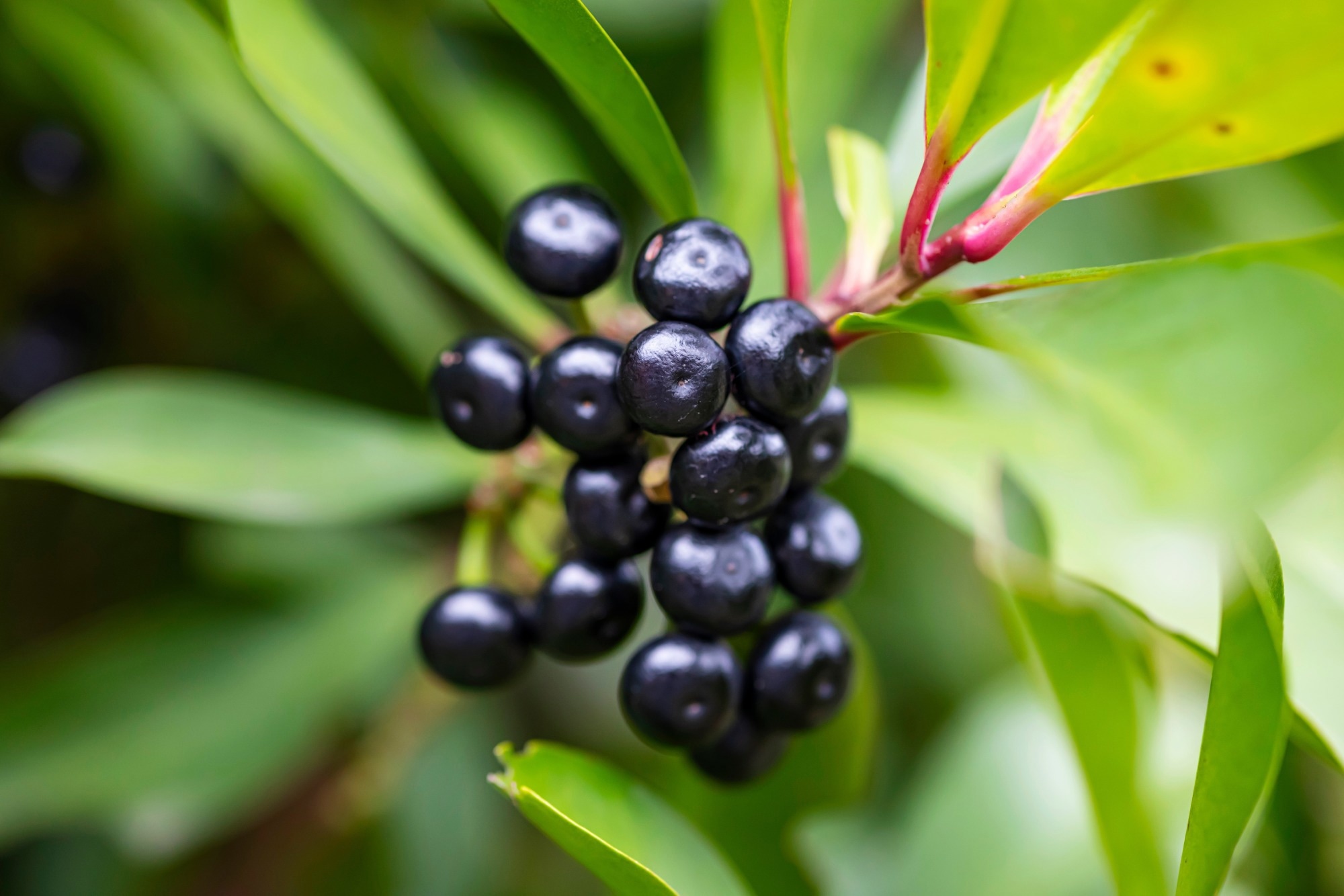 Image Credit: JENG BO YUAN / Shutterstock.com
Introduction
The maqui berry, which grows in the temperate rainforests of southern Chile and Argentina, has a higher anthocyanin content than many other berries.1,9 Historically, Mapuche communities in southern Chile used maqui preparations, particularly those made from leaves, for wound care and fever, with modern researchers increasingly exploring this fruit as a source of antioxidant compounds.1
In addition to its high anthocyanin content, maqui berries are also rich sources of flavonols, phenolic acids, and other polyphenolic compounds that may contribute to their biological activity. Anthocyanins produce the fruit’s purple coloration.1 Among 19 polyphenolic compounds identified in these berries, delphinidin-derived anthocyanins make up the largest share, while quercetin derivatives represent most of the fruit’s flavonol fraction.1
Delphinidin 3-O-β-glucoside, one of the anthocyanins identified in maqui berries, is among the compounds investigated for effects on cellular signaling pathways involved in redox balance.1,9 Chemical profiling of maqui extracts has also detected saturated and unsaturated fatty acids, phytosterols like β-sitosterol, and smaller phenolic constituents including gallic, ellagic, and protocatechuic acids.3 The relative contributions of these compounds to effects in humans remain uncertain.2,9
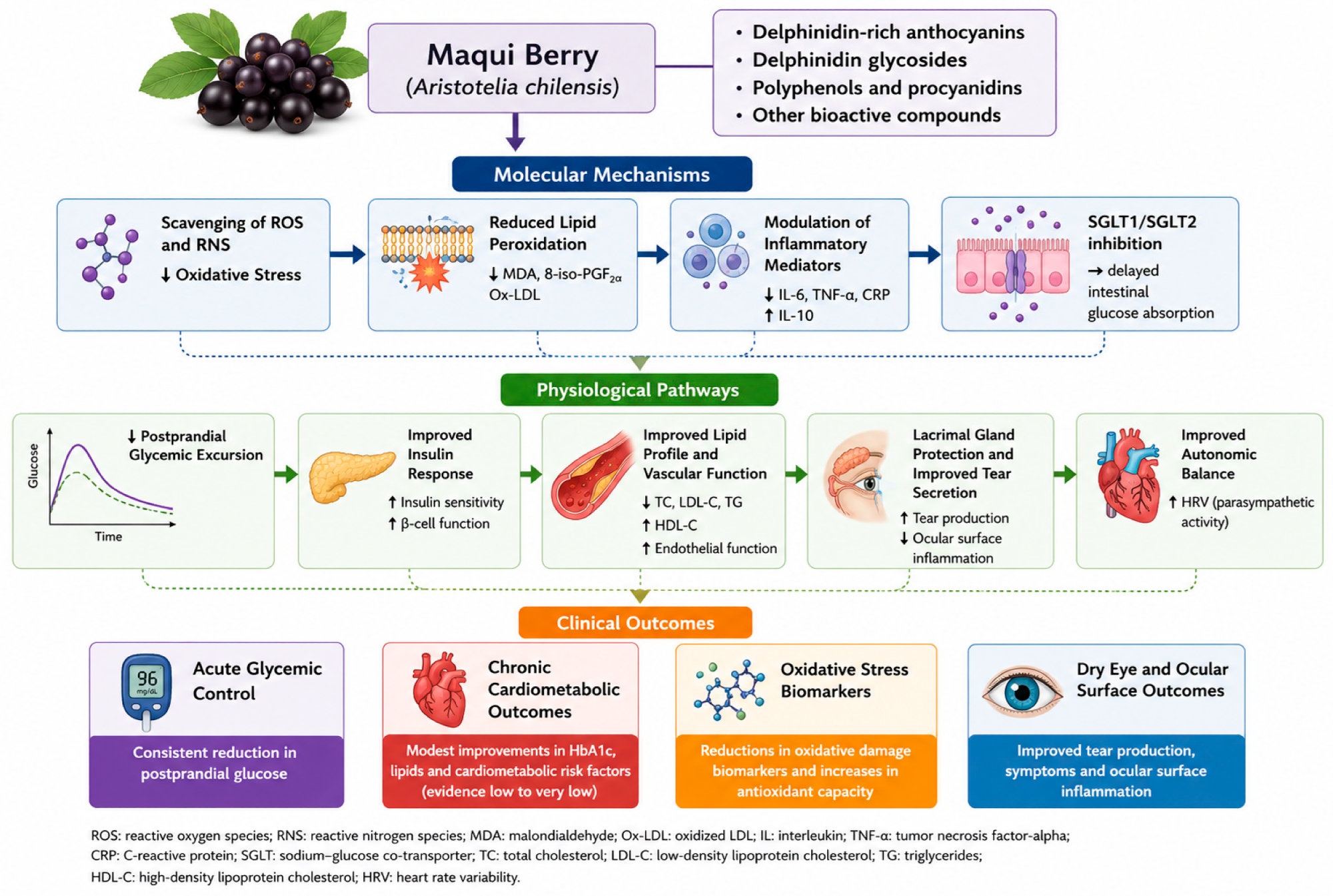
Integrated mechanistic framework of maqui berry bioactives, physiological pathways, and clinical outcomes.2
How maqui berry supports antioxidant defense
Oxidative stress arises when reactive oxygen species production exceeds antioxidant defenses and disrupts cellular redox balance. This process has been implicated in cellular damage and many age-related conditions.1,9
Laboratory assays measuring free radical scavenging, including 2,2-diphenyl-1-picrylhydrazyl (DPPH) and oxygen radical absorbance capacity (ORAC) methods, show that maqui berry extracts have strong antioxidant capacity.1 Water and ethanol extracts of the berry show particularly high radical-quenching activity in cell-free assay systems.3 Nevertheless, these measurements do not establish the magnitude of antioxidant effects after consumption.9
Preclinical research links anthocyanins to the nuclear factor erythroid 2-related factor 2 (Nrf2) pathway, a key regulator of endogenous antioxidant enzyme production.9 Whether maqui-derived compounds reach the brain in sufficient concentrations to produce protective effects remains unresolved; their passage across the blood-brain barrier was not directly measured in the mouse pain study.4
Intact anthocyanins generally have low systemic bioavailability, meaning that only a small proportion reaches circulation unchanged, often reported at about 1% or less. Circulating metabolites may also contribute to biological activity.1,9
Move Over, Acai. The Maqui Berry Craze Has Arrived
Anti-inflammatory effects
Persistent low-grade inflammation is closely linked to oxidative stress and contributes to many chronic conditions associated with aging, such as cardiovascular disease and metabolic dysfunction.1 Cell culture research using extracts from maqui berries indicates reduced nitric oxide production and cyclooxygenase-2 (COX-2) protein expression, together with reduced expression of nuclear factor kappa B (NF-κB), in human colorectal cancer cell lines.5 Experiments in these cells provide mechanistic evidence, with no established benefit for cancer treatment. 5
These anti-inflammatory actions are concentration-dependent and were strongest in the anthocyanin-rich fractions.5 In one experimental colitis model, maqui berry extract reduced inflammatory index scores and altered gut bacterial populations following induced intestinal injury.1 Most mechanistic findings come from cell and animal studies, limiting conclusions about systemic anti-inflammatory effects in humans.1,9
Potential role in healthy aging and cellular protection
Various factors, including oxidative damage, declining mitochondrial efficiency, and chronic low-level inflammation, contribute to age-related cellular dysfunction. Researchers are investigating anthocyanin-rich foods for their effects on these processes.9
In rodent models, maqui extract administration before ozone exposure has reduced oxidative stress markers and prevented deficits in memory and learning. Separate cell culture experiments found that maqui extracts reduced cigarette smoke-induced oxidative injury in human osteoblasts at selected concentrations, though higher concentrations could be cytotoxic.1 Laboratory research also found a slight protective effect against UVB exposure in cultured human skin fibroblasts.
These findings support further research; however, human trials have not yet established benefits for lifespan, age-related cognitive decline, or bone disorders.1,2,9 Clinical studies would also be needed to determine whether these effects translate into protection against skin aging or sun damage.3
 Image Credit: miguyao / Shutterstock.com
Metabolic outcomes represent one of the principal areas of clinical research on maqui berry. A systematic review of 12 clinical reports found that acute dosing with standardized maqui extract generally reduced the rise in blood glucose after a meal or glucose load, particularly in participants with impaired glucose regulation. Inhibition of intestinal sodium-glucose cotransporter 1 (SGLT1) is a proposed mechanism that requires further confirmation in humans.2
A 2019 narrative review cited a single trial reporting that acute supplementation with maqui extract lowered postprandial glucose elevation by roughly 15% and reduced peak insulin secretion by more than half compared with placebo.6 These figures are not pooled estimates and should not be generalized to all products or populations. A separate acute study of a maqui-lemon beverage found no significant reduction in postprandial glycemia, illustrating variation across preparations and study conditions.2
Chronic supplementation with maqui extracts over several weeks to months produced more modest, inconsistent results, with some studies showing small reductions in glycated hemoglobin, a measure of longer-term blood glucose, and lipid markers.2
Since elevated insulin levels are epidemiologically related to an increased risk of some cancers, researchers have proposed that moderating postprandial insulin spikes could confer indirect long-term benefits.6 This remains a hypothesis, as clinical trials have not demonstrated a reduction in cancer incidence.2,6
Maqui berry and eye health
The systematic review identified ocular outcomes as the most consistent area of human evidence. Studies reported improvements in tear production and dry-eye symptoms, with one controlled trial also finding lower concentrations of several inflammatory mediators in tears. Nevertheless, available evidence remains limited by small studies and short follow-up, and these local effects cannot be generalized to inflammation throughout the body.2
Dietary polyphenols are only partially absorbed in the small intestine, with colonic bacteria converting the remaining fraction into smaller phenolic metabolites.7,9 A human trial protocol describes planned research on plant-based diets and polyphenol supplementation, but reports no intervention results confirming metabolic or microbiome benefits.7
In a 16-week study of 29 mice fed a high-fat diet, maqui supplementation increased the relative abundance of bacterial groups, including Lactobacillus and Bifidobacterium, and altered circulating polyphenol metabolites. Changes in specific bacteria and metabolites were associated with the expression of genes involved in white adipose tissue browning, the development of heat-production-associated features, and energy metabolism.8
These associations leave the direction of the bacterial-metabolite relationship and its contribution to metabolic effects unresolved. Comparable effects in humans require investigation.8
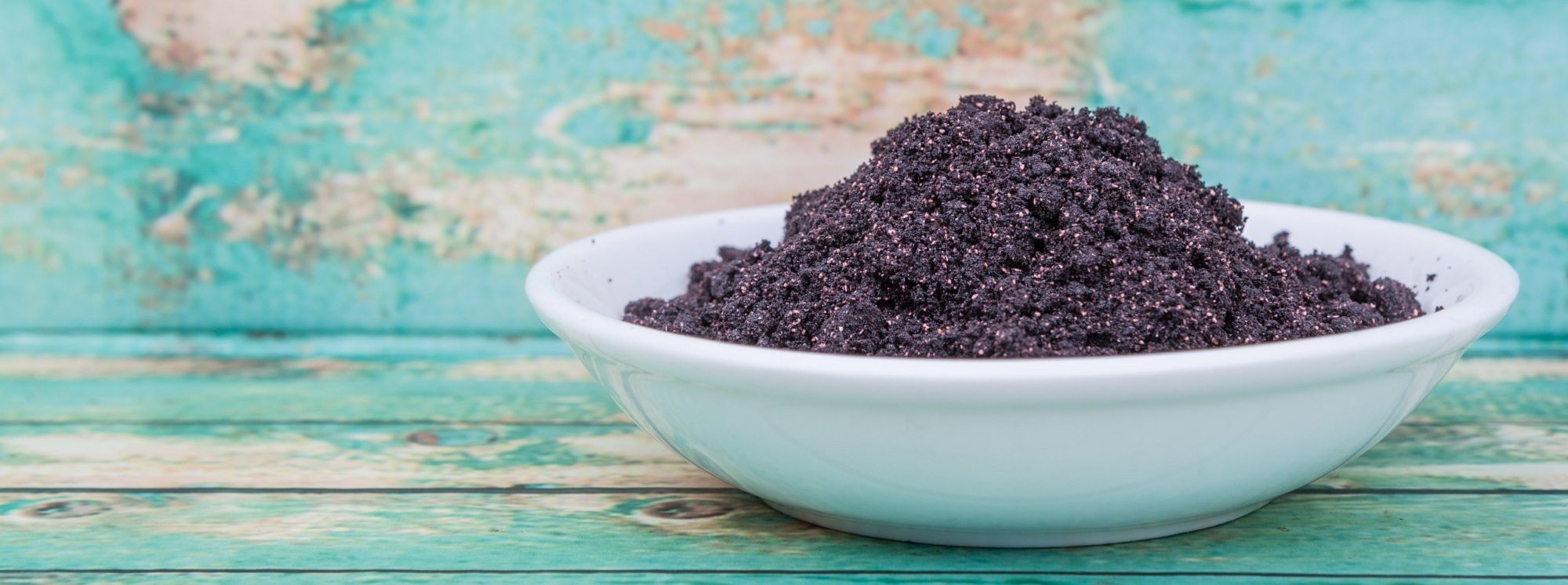 Image Credit: MAHATHIR MOHD YASIN / Shutterstock.com
How can maqui berry be consumed?
People can consume maqui berries in several ways, including juice, freeze-dried powder, or concentrated extract capsules, since fresh fruit has a narrow harvest window and spoils quickly after picking.1 Standardized extracts, with specified delphinidin or total anthocyanin content, are frequently used in clinical research, as these formulations allow for consistent, measurable dosing.2
Human trials have tested doses ranging from 30 mg to 1,000 mg of different preparations, which are not equivalent in anthocyanin content, generally without any serious adverse effects reported.2 Small samples and short follow-up limit conclusions about uncommon reactions and long-term safety, and no universally established effective dose is available.2,9
The extraction method, drying process, and standardization approach can vary significantly between commercial products. Anthocyanin content in a single serving can differ substantially between sources.9 Food-category inclusion levels reproduced in the 2024 food-industry review concern product formulation and provide no established daily therapeutic dose.1
Limitations and future research
Among 12 clinical reports evaluated in a recent systematic review, sample sizes were often small, follow-up periods were short, and formulations were inconsistent across studies.2 Several trials also combined maqui with other ingredients, such as citrus juice or additional Chilean berries, making it difficult to isolate effects that could be directly attributed to maqui berry activity.2 Two reports also used the same underlying participant cohort, reducing the independence of the evidence.2
Intact anthocyanin absorption is limited, and food composition, processing, microbial metabolism, and individual differences may affect exposure to their metabolites.9 Larger, longer randomized trials with standardized formulations and clinically meaningful outcomes are needed to determine efficacy and long-term safety.2,9
References
- García-Milla, P., Peñalver, R., & Nieto, G. (2024). A Review of the Functional Characteristics and Applications of Aristotelia chilensis (Maqui Berry) in the Food Industry. Foods 13(6); 838. DOI: 10.3390/foods13060838. https://www.mdpi.com/2304-8158/13/6/838.
- Arce-Johnson, P., Rodríguez-Alvarez, Y., Vallejos Sierra, et al. (2026). Clinical Evidence on the Health Effects of Aristotelia chileEvidencequi Berry) Supplementation: A Systematic Review of Human Trials. Antioxidants 15(6); 654. DOI: 10.3390/antiox15060654. https://www.mdpi.com/2076-3921/15/6/654
- Wacewicz-Muczyńska, M., Moskwa, J., Puścion-Jakubik, A., et al. (2023). Antioxidant Properties of Maqui Berry Extract (Aristotelia chilensis (Mol.) Stuntz) and Its Potential Photoprotective Role on Human Skin Fibroblasts. Molecules 28(23); 7802. DOI: 10.3390/molecules28237802. https://www.mdpi.com/1420-3049/28/23/7802
- Agulló, V., González-Trujano, M. E., Hernández-Leon, A., et al. (2021). Antinociceptive effects of maqui berry (Aristotelia chilensis (Mol.) Stuntz). International Journal of Food Sciences and Nutrition, 72(7), 947- 955. DOI: 10.1080/09637486.2021.1895727. https://www.tandfonline.com/doi/full/10.1080/09637486.2021.1895727
- Céspedes-Acuña, C. L., Xiao, J., Wei, Z., et al. (2018). Antioxidant and anti-inflammatory effects of extracts from Maqui berry Aristotelia chilensis in human colon cancer cells. Journal of Berry Research 8, 275- 29696. DOI: 10.3233/jbr-180356. https://journals.sagepub.com/doi/10.3233/JBR-180356.
- Deters, B., & Saleem, M. (2019). Hyperinsulinemia, cancer, and maqui berry: The promise of nutritional supplementation. Food Science and Human Wellness 8(3); 264–267. DOI: 10.1016/j.fshw.2019.07.001. https://www.sciencedirect.com/science/article/pii/S2213453019300163.
- Lanuza, F., Romero-López, C., Nova-Luna, R., et al. (2025). Effect of plant-based foods and (poly)phenol supplementation on gut-microbiota metabolism in participants with overweight or obesity and cardiometabolic risk: a study protocol for a single-masked parallel, randomized controlled trial. BMJ Open 15(9); e105461. DOI: 10.1136/bmjopen-2025-105461. https://bmjopen.bmj.com/content/15/9/e105461.
- Tume, R., Cruz, M., Sandoval, V., et al. (2026). Modulation of the gut microbiome-adipose tissue AXIS by maqui supplementation improved insulin resistance and lipid metabolism in mice under a high-fat diet. Food Chemistry: Molecular Sciences 12. DOI: 10.1016/j.fochms.2026.100383. https://www.sciencedirect.com/science/article/pii/S2666566226000316?via%3Dihub
- Tiscornia, C., Lorca, E., Estremadoyro, C., et al. (2026). Maqui as a Chilean Functional Food: Antioxidant Bioactivity, Nutritional Value, and Health Applications. Antioxidants 15(2); 204. DOI: 10.3390/antiox15020204. https://www.mdpi.com/2076-3921/15/2/204.
Further Reading
Last Updated: Oct 22, 2026