Introduction
From Soil Amendment to Engineered Material
Microplastics: A Growing Environmental Threat
Biochar for Microplastics Removal
Beyond Microplastics: Broader Remediation Applications
Challenges, Limitations & Future Outlooks
References
Further Reading
Biochar is emerging as a versatile, engineered material capable of removing microplastics through adsorption, trapping, and catalytic mechanisms while also supporting broader environmental remediation. However, its effectiveness depends on material design, environmental conditions, and scalability challenges that must be addressed for real-world applications.
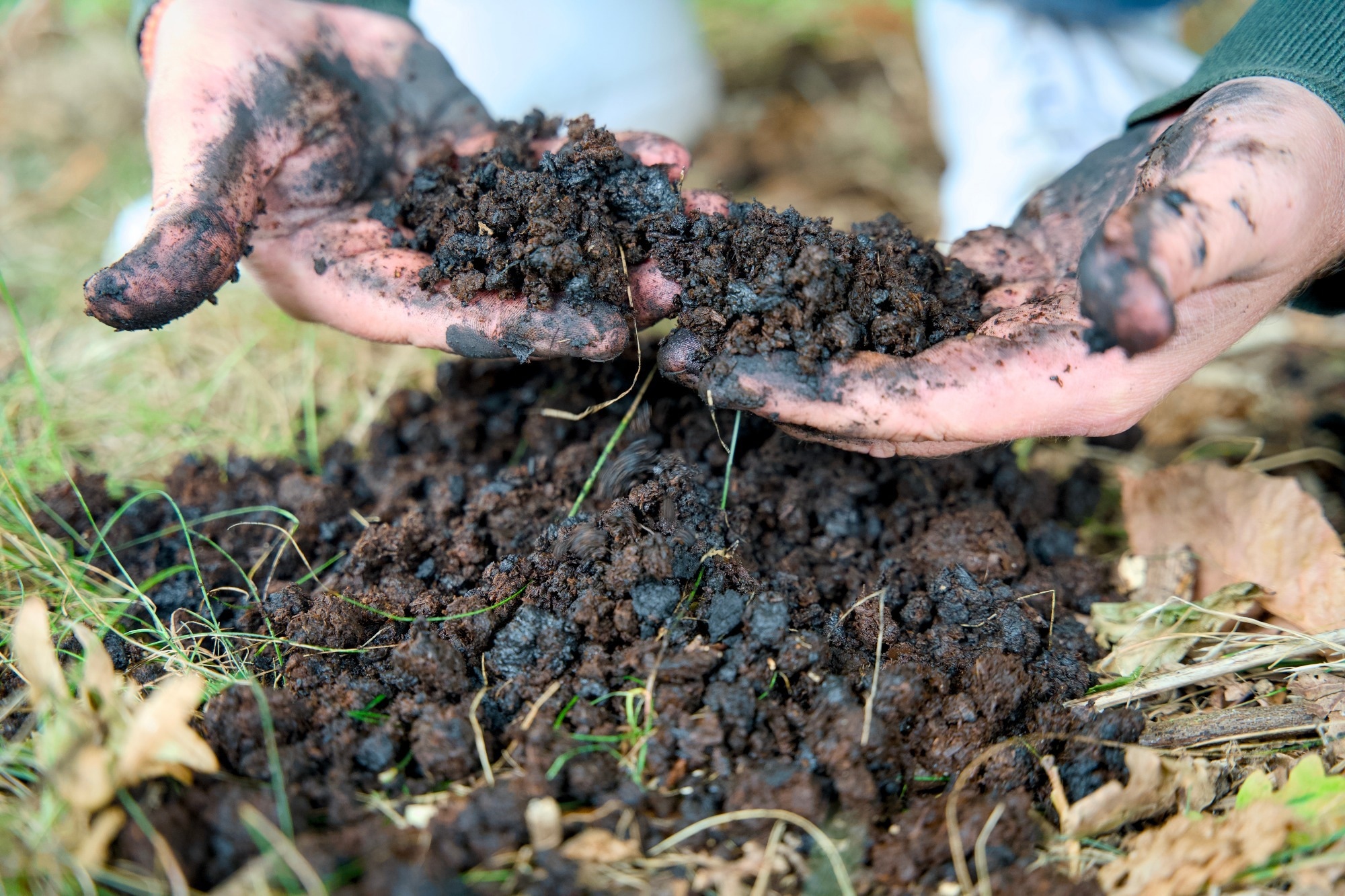 Image credit: Rene Notenbomer/Shutterstock.com
Introduction
Biochar refers to a carbon-rich, porous material produced by heating biomass under oxygen-limited conditions. It has long been used to enhance soil fertility and retain nutrients. Scientists are now re-examining biochar as a versatile material to clean soil and water systems. In addition to adsorption, biochar can also support microbial communities and facilitate redox reactions, making it a multifunctional remediation platform.1
Microplastics are now prevalent across soil, air, and water systems. Everyday sources like synthetic clothing, tire wear, city dust, and paint can introduce microplastics into these environments, which is why finding new remediation strategies is an urgent need. Researchers are now adapting biochar due to its porous structure to trap microplastics. It is also cost-effective to produce. This is especially beneficial since microplastics can also carry other environmental pollutants detrimental to environmental and human health. These particles can further degrade into nanoplastics, which are more mobile, bioavailable, and difficult to remove using conventional treatment systems.1,2
Explore more: How biochar is transforming water pollution solutions
From Soil Amendment to Engineered Material
Much of biochar’s behavior depends on how it is produced, particularly the type of feedstock and pyrolysis conditions. Heating biomass slowly at 400–600 °C produces more stable, carbon-rich material. Faster, higher-temperature processes, on the other hand, favor bio-oil over solid forms. These differences influence biochar's structural properties and surface chemistry. For instance, lignocellulosic biochars obtained from agricultural residues or wood have surface areas as high as 500 m²/g, which create extensive pore networks that can trap microplastics. Feedstock composition (e.g., lignin vs. cellulose content) further determines carbon yield, pore development, and hydrophobicity, directly influencing adsorption performance.2,3,4
Scientists routinely prepare biochar from materials such as rice husks, sawdust, and sugarcane bagasse. They are now using engineering techniques to insert reactive or functional groups into biochar to improve pollutant binding. Iron-based modifications help generate magnetic biochar to enhance recovery after use. Advanced modifications include nanoparticle doping, graphene oxide functionalization, and enzyme immobilization, enabling catalytic degradation and targeted removal of microplastics.2,3
Even though biochar has a porous, honeycomb-like structure, a large surface area, and adjustable surface characteristics, a few trade-offs remain. Although high temperatures may enhance surface features, biochars may, in the process, lose surface functionalities essential for chemical reactions. This creates a balance between structural stability and chemical reactivity, which must be optimized for specific remediation applications.2,3
Biochar Explained: Sustainable Farming and Carbon Capture | Re-generation Earth
Video credit: growingkentmedway/Shutterstock.com
Microplastics: A Growing Environmental Threat
Microplastics are small plastic particles, measuring less than 5 mm in diameter. They can be found in soils, rivers, oceans, and household drinking water systems. Industrial discharge, agricultural runoff, and wastewater effluent can introduce microplastics into natural ecosystems. Even routine activities, such as washing synthetic clothing, or the gradual breakdown of larger plastic waste, can contribute to this growing global burden. They originate from both primary sources (e.g., microbeads and industrial pellets) and secondary fragmentation of larger plastics through UV radiation and mechanical processes.1, 2
A particular challenge in microplastic waste management is their persistence. They break down slowly and can remain in our surroundings for decades, entering the food chain over time. Aquatic organisms can easily ingest these harmful particles, along with the organic chemicals and heavy metals they may carry. Microplastics have also been detected in human tissues, raising further concerns about their long-term exposure and health risks. Smaller nanoplastics exhibit enhanced cellular uptake and may penetrate biological barriers, increasing risks such as inflammation and oxidative stress.2
Conventional remediation methods such as membrane filtration, sedimentation, and coagulation–flocculation can partially remove microplastics, often leaving smaller particles behind. The challenge is more than just size. The structural variability and interactions with organic matter may further complicate removal. As contamination continues to increase in our surroundings, high-capacity systems need to be developed with advanced technologies for more efficient microplastic removal to protect the environment and ourselves. These methods are particularly ineffective for submicron particles due to colloidal stability and Brownian motion, which prevent efficient settling or filtration.2,3
Biochar for Microplastics Removal
Biochar is emerging as a practical material for removing microplastics from water and soil systems through various mechanisms, including adsorption, hydrophobic and electrostatic interactions at the particle surface, and physical trapping of plastic fragments. Additional mechanisms include π–π electron donor–acceptor interactions, hydrogen bonding, and pore-filling within hierarchical structures. Effectiveness depends on particle size, polymer type, and surface chemistry. Larger particles can be trapped easily, whereas smaller particles need more precise surface interactions.2,3
While activated carbon generally provides stronger adsorption than biochar, it requires more energy to produce. Membrane filtration can effectively remove larger particles, but may not be as effective for submicron-sized plastics. Membrane filters also have higher operational costs and fouling risks. Biochar, on the contrary, is produced from low-cost biomass and can be tailored for specific applications. Its sustainability is further enhanced by its role in carbon sequestration and waste valorization.3
Chemical treatment or a combination of biochar with nanomaterials may boost efficiency. Supporting this, studies have shown that engineered biochars are more effective than their pristine counterparts and can remove microplastics with up to 90 % efficiency under controlled laboratory conditions. The complexity of the environment also influences efficacy; removing microplastics from marine environments is comparatively more difficult as these bodies contain organic matter that may interfere with adsorption. Nevertheless, studies consistently show that surface modifications improve efficacy. Scientists have also developed magnetic biochar that can be easily removed using external magnets, addressing challenges in post-treatment recovery. However, removal efficiency can decrease significantly in real-world matrices such as wastewater due to dissolved organic matter, ionic competition, and particle heterogeneity.2,3
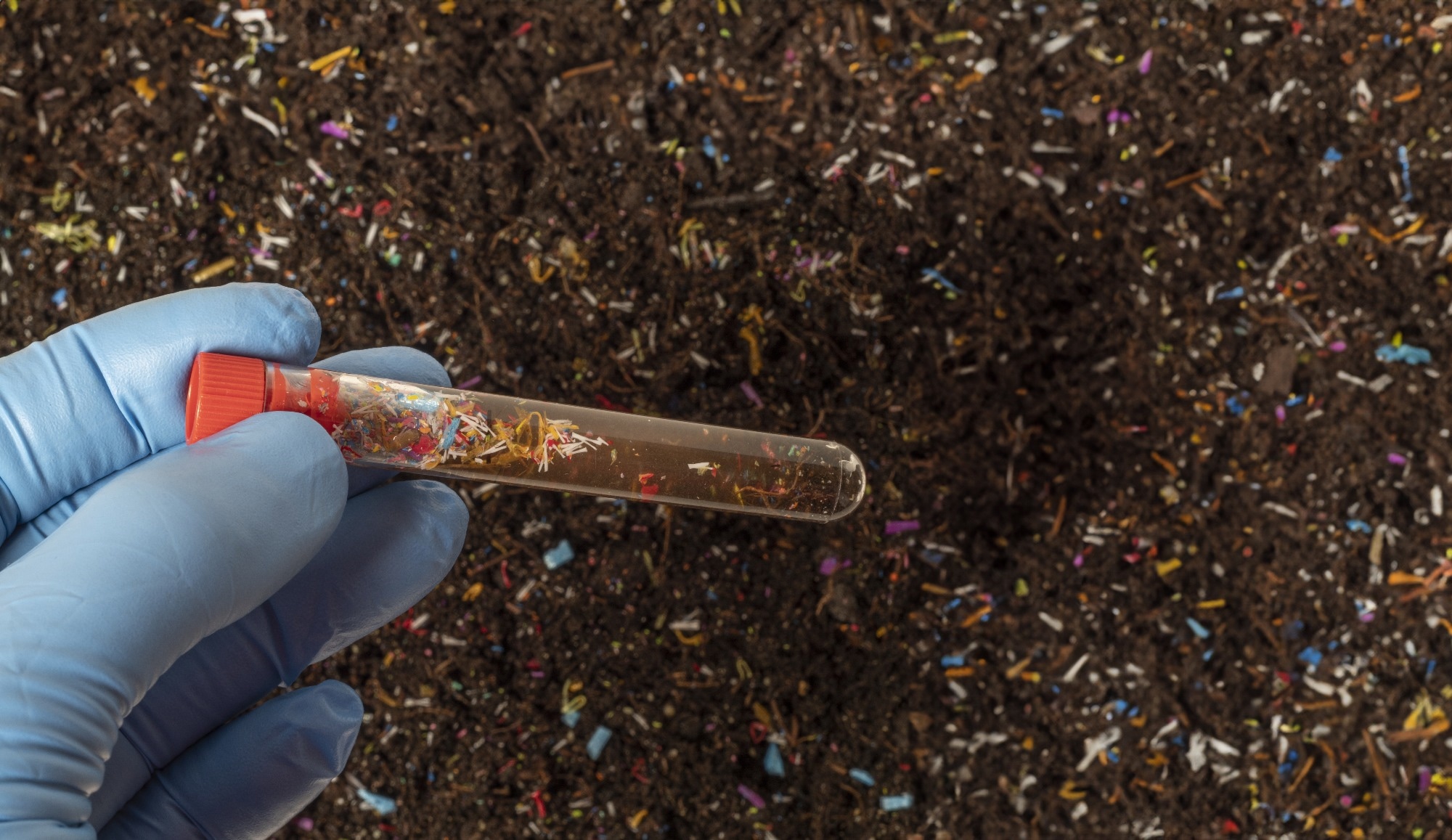 Image credit: Kuttelvaserova Stuchelova/Shutterstock.com
Biochars are not just effective against microplastics. Due to their porosity and flexible surface chemistry, these materials can also adsorb heavy metals such as lead and cadmium, as well as organic pollutants like pesticides. Scientists are therefore integrating biochar into filtration-based systems, including fixed-bed columns, not only to capture particulate matter and dissolved pollutants, but also to immobilize them and reduce their bioavailability. Engineered biochar can additionally catalyze redox reactions and generate reactive oxygen species, enabling degradation of persistent organic contaminants.1,2
In soils, biochar also acts as a scaffold for microbes, encouraging biodegradation. In this manner, biochar can improve nutrient cycling and soil health, helping in ecosystem restoration beyond pollutant capture. Biochar–microbe interactions can also enhance contaminant bioavailability and accelerate biodegradation pathways. Even though biochar is useful at removing many contaminants, it may not be equally effective for all of them. This is because biochar has a limited number of active spots on its surface where pollutants can attach. Since they may all try to attach to the same site, a few may get blocked by others. Scientists may need to adapt their surface chemistry to the specific pollutant they want to target.1,4
Biochar can do more than trap pollutants; it can also help break them down. When biochar is modified, for example, by adding metals such as iron, it can act as a catalyst to convert complex compounds like pharmaceutical residues into simpler, less toxic molecules. Taken together, biochar can trap pollutants, prevent their spread, break them down, and also help microbes degrade them. These findings suggest that biochar is more than a single-function material; it is a multi-purpose tool that can be integrated into real wastewater or soil treatment systems. Such multifunctionality positions engineered biochar as a “smart material” capable of responding to environmental conditions like pH and redox potential.1,2,4
Challenges, Limitations & Future Outlooks
Biochar-based remediation is promising but remains in its early stages of development. This is largely because biochar is made from different materials and produced in different ways. It is also tested under different conditions and lacks standardized protocols. It is therefore hard to predict how well it will work in real situations. Differences in particle type, water matrices, and analytical techniques limit the comparability of findings. Current research also highlights the absence of standardized ecotoxicity assessments for engineered biochar composites.2
Apart from variability in preparation and testing, the long-term performance of biochar also remains uncertain. Most studies test biochar only once, leaving gaps in understanding how well biochar works after reuse and whether it remains stable over time. The regeneration process may be inefficient, costly, or generate secondary waste. Concerns also exist regarding potential toxicity and environmental risks associated with nano-enhanced biochar materials. Future studies need to evaluate its safety and investigate whether biochar could release harmful particles back into the environment.2
Scaling up production also remains a challenge. For large-scale deployment, scientists need to ensure a steady supply of raw materials and energy-efficient production techniques. Biochar must be successfully integrated into existing treatment systems, such as water treatment plants and agricultural runoff systems, which are more complex and less controlled environments. Bridging the gap between laboratory-scale success and field-scale implementation remains a major research priority.2
Biochar fits well in a circular economy, transforming waste into useful materials. Better policies, stronger regulatory support, and standardized workflows would increase adoption. The next step is clear: translating preliminary findings into field-scale solutions to confirm their efficacy for environmental remediation.2
Moving forward, translating laboratory findings into practical, real-world applications will be key to establishing its long-term role in environmental remediation. Only then can biochar move from a promising material to a reliable and widely adopted tool for tackling widespread environmental contamination.2
References
- Luo, H., Xu, S., Zhang, Q., He, D., Sun, J., Xu, J., & Pan, X. (2026). Recent advances in biochar-mediated mitigation of microplastics: A comprehensive review on removal mechanisms, toxicity alleviation strategies, and synergistic environmental impacts. Environmental Pollution, 397, 127920. DOI:10.1016/j.envpol.2026.127920, https://www.sciencedirect.com/science/article/abs/pii/S0269749126002903
- Mohsenzadeh, A., Persson, M., Pettersson, A., & Frandsen, F. J. (2025). Biochar for the Removal of Microplastics from Water: A Comprehensive Scoping Review. Microplastics, 4(4). DOI:10.3390/microplastics4040099, https://www.mdpi.com/2673-8929/4/4/99
- Khan, A., Qadri, T.A., Rajput, V.D. et al. Advancements in Nanomaterial-Enhanced Biochar for Microplastic Remediation: A Comprehensive Review of Environmental Impact and Remediation Strategies. BioNanoSci. 16, 304 (2026). DOI:10.1007/s12668-026-02541-5, https://link.springer.com/article/10.1007/s12668-026-02541-5
- Lodariya, M., Bhattacharya, D. & Abhilash, K.R. (2025). Synergistic approaches to soil remediation: engineered biochar and microbial interactions for climate-resilient remediation. Biodegradation, 36, 110 (2025). DOI:10.1007/s10532-025-10200-x, https://link.springer.com/article/10.1007/s10532-025-10200-x
Further Reading
Last Updated: Apr 29, 2026