What is Pax6?
Pax6 protein structure and function
Role of Pax6 in development
Pax6 in eye development
Regulation of Pax6 expression
Pax6 and human disease
Evolutionary significance of Pax6
References
Further Reading
Pax6 plays a central role in coordinating the development of the eye, brain, and endocrine tissues by regulating networks of genes in a tightly controlled, dosage-sensitive manner. Genetic changes that disrupt its structure or regulation can alter normal tissue formation and are associated with conditions such as aniridia, as well as measurable differences in brain structure and function.
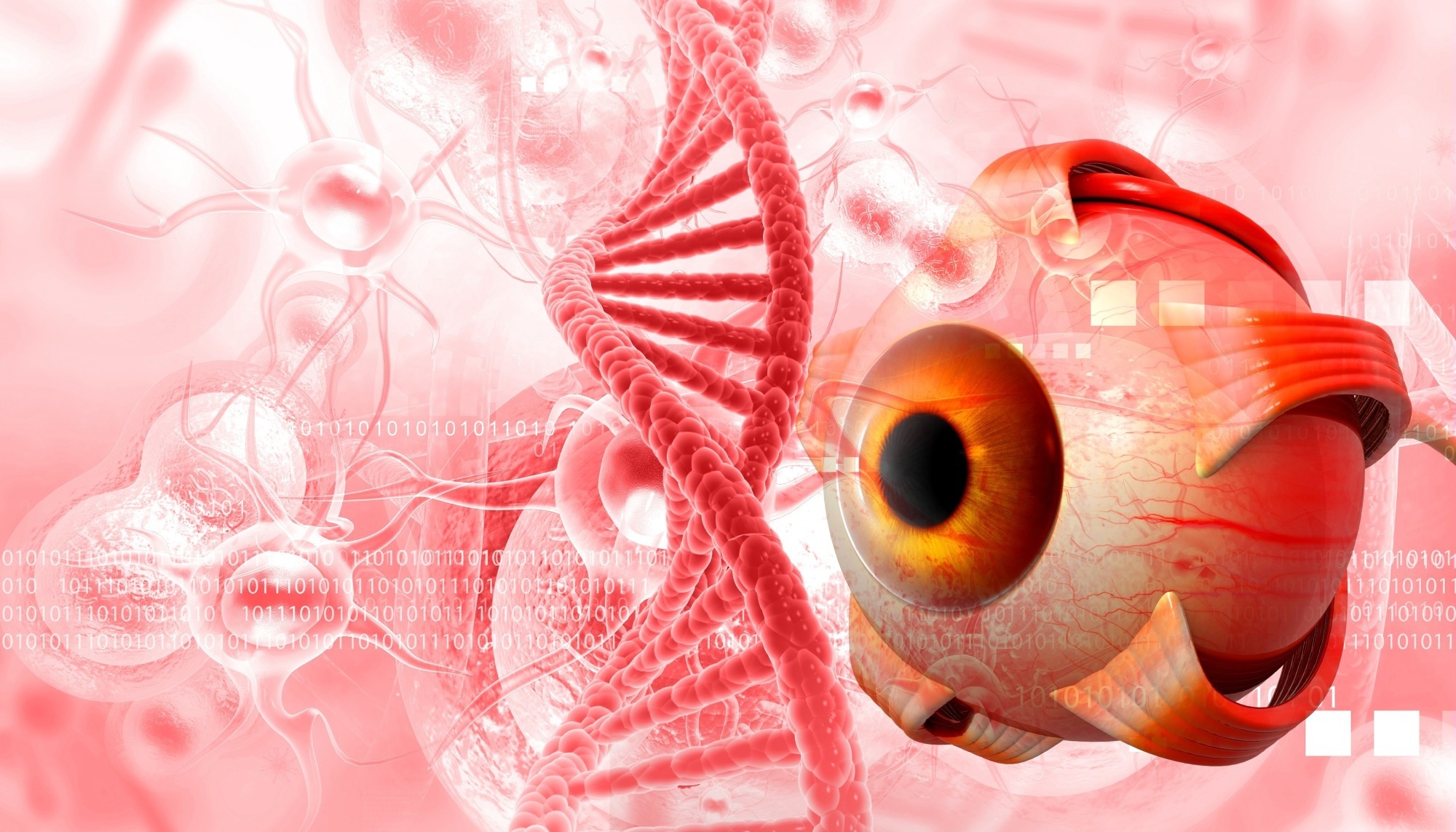 Image credit: Explode/Shutterstock.com
What is Pax6?
Paired box 6 (PAX6) is a member of the highly conserved paired box (PAX) transcription factors. Transcription factors regulate the activity of large numbers of genes involved in development. The PAX6 gene is located on chromosome 11p13 in humans and spans approximately 22 kilobases, with large regulatory regions upstream and downstream of the transcription start site.
The regulatory landscape spans approximately 450 kilobases and includes multiple conserved enhancers located both upstream of PAX6 and within introns of the neighboring ELP4 gene. The PAX6 gene consists of 14 exons, of which the first three are non-coding, and encodes a protein that contains three distinct functional domains, like a paired deoxyribonucleic acid (DNA)-binding domain, a homeodomain, and a C-terminal transactivation domain.3
Through these domains, Pax6 binds to specific DNA sequences and positively or negatively regulates the expression of target genes. As a result, Pax6 is considered the master regulator of the developmental gene expression program.1,2
This article presents a clear and comprehensive guide to the Pax6 gene, covering its structure, developmental roles, regulation, evolutionary importance, and links to human disease.
Pax6 protein structure and function
Pax6 is a transcription factor with approximately 422 amino acids in its canonical form, organized into distinct functional domains that provide precise regulation of gene expression. Pax6 has a paired domain at its N-terminus and contains two helical subdomains separated by a region of approximately 18 aa (helix-turn-helix). These two helical subdomains are called the paired N-terminal subdomain (PAI) and the paired C-terminal subdomain (RED). Both subdomains will bind DNA with high affinity and specificity. In addition to the paired domain, Pax6 contains a second DNA-binding module, the homeodomain (HD), which also adopts a helix-turn-helix structure and can bind DNA with the paired domain.1,2,3
Immediately downstream of the homeodomain is a proline-serine-threonine-rich transactivation domain, which is essential for initiating transcription and modulating DNA-binding activity. Alternative splicing of exon 5a generates the Pax6(5a) isoform (436 amino acids), which alters DNA-binding specificity by inserting 14 amino acids into the PAI subdomain of the paired domain, shifting functional emphasis to the RED subdomain3.
Combined, these domains enable Pax6 to interact with regulatory elements in target genes and with additional transcriptional regulators, thereby inducing or repressing gene expression programs that regulate cell fate determination, proliferation, and differentiation during development.1,2,3
Role of Pax6 in development
Pax6 is a highly conserved transcription factor that plays a major role in embryonic development across multiple species. It is commonly known as a master regulator of eye formation, as its expression in early surface and neural ectoderm directs optic vesicle formation, optic cup patterning, and differentiation of retinal and lens structures. Experimental overexpression studies in model organisms such as Drosophila and Xenopus have demonstrated that Pax6 can induce ectopic eye formation, underscoring its evolutionary conservation in ocular development.1,2,3
Beyond the eye, Pax6 is essential for central nervous system patterning, including dorsoventral specification, cortical arealization, and regulation of neural progenitor proliferation and migration. In adults heterozygous for PAX6 mutations, advanced MRI studies demonstrate reduced frontoparietal cortical surface area and accelerated age-related cortical thinning associated with working memory decline, supporting a role for PAX6 in maintenance of adult brain structure1. It is also expressed in the developing pancreas, where it contributes to endocrine cell differentiation and glucose regulation.2,3
Pax6 activity is tightly controlled in both space and time. It can be expressed in only certain tissues and developmental stages, and its dosage is vital for normal morphogenesis. PAX6 is a dosage-sensitive gene, and haploinsufficiency is the primary mechanism underlying many associated human disorders3. Its expression patterns are tightly regulated by multiple promoters, enhancers, and feedback loops to establish the correct expression patterns essential to the specification and differentiation of tissues during embryonic development.1,2,3
Pax6 in eye development
Pax6 is regarded as the master regulator of eye development, with highly conserved functions from insects to humans. During early embryogenesis, Pax6 is expressed in the surface and neural ectoderm and becomes prominent in the optic vesicle by the fifth week of human gestation. As the optic vesicle invaginates to form the bi-layered optic cup, Pax6 is detected in both the neural and pigmented retinal layers, where it contributes to retinal specification and differentiation. It is also strongly expressed in anterior segment structures derived from surface ectoderm, including the lens vesicle and corneal epithelium, underscoring its role in lens induction and corneal development.3
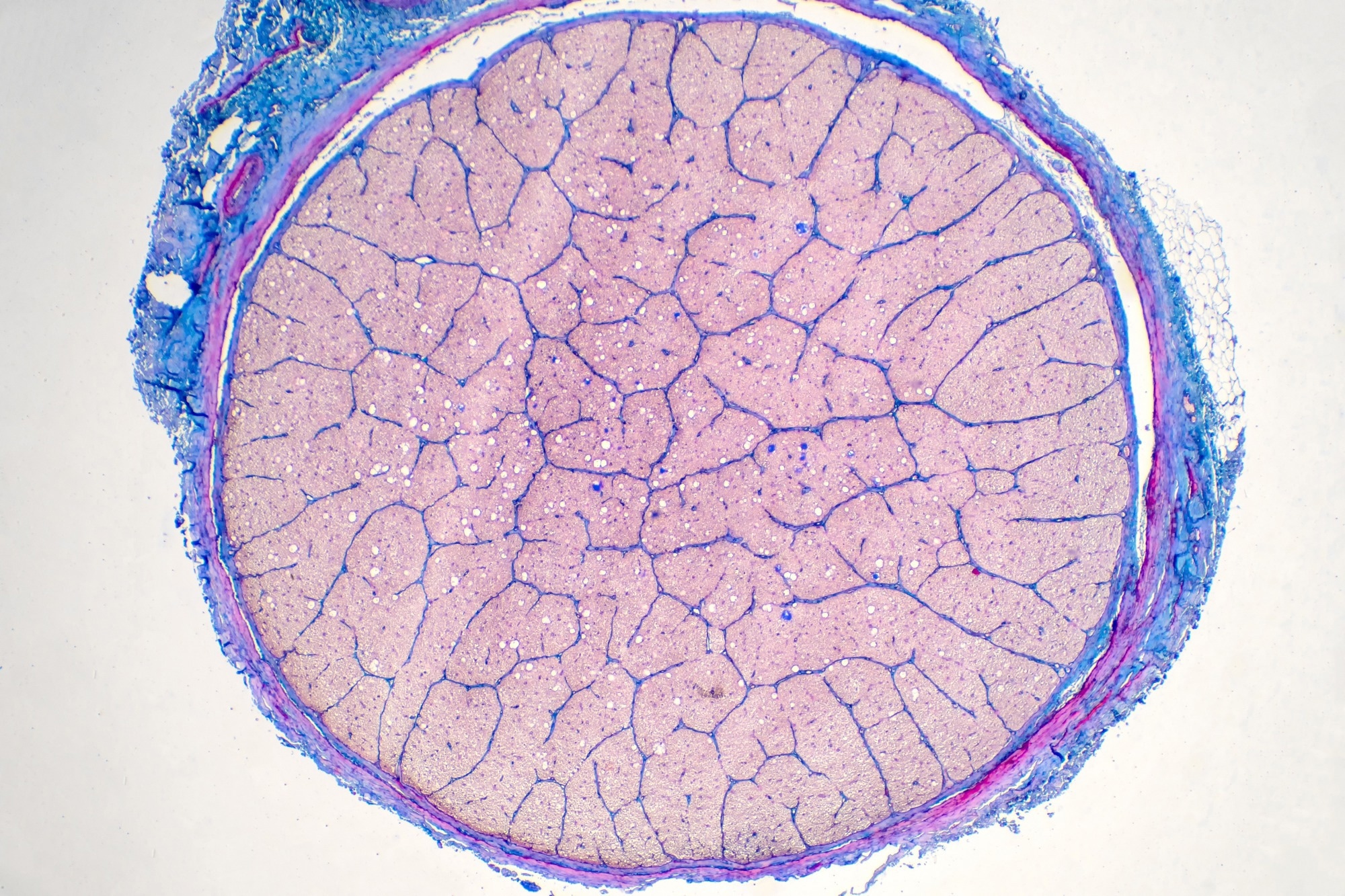 Image credit: Choksawatdikorn/Shutterstock.com
Experimental overexpression studies in Drosophila and Xenopus have demonstrated that Pax6 can induce ectopic eye formation. Tight spatial and temporal regulation of Pax6 expression is essential, as altered dosage or disruption of regulatory elements impairs eye field specification, optic cup formation, and retinal organization, leading to congenital ocular anomalies.3
Regulation of Pax6 expression
The precise temporal and spatial activity during development is regulated by a large number of promoters, enhancers, and regulatory regions for the coding gene, PAX6. The PAX6 gene is located on chromosome 11p13 and spans approximately 22 kilobases, with an associated regulatory landscape extending over 450 kilobases. There are three known transcriptional promoters (P0, P1, and the internal promoter Pα) that drive tissue-specific transcriptional patterns.3
Multiple conserved enhancers further refine Pax6 expression, including the ectodermal enhancer (EE) upstream of PAX6 and the Downstream Regulatory Region (DRR) within the ELP4 introns. Within the DRR, the SIMO enhancer is critical for lens and retinal expression, and its disruption alone has been shown to cause aniridia in humans.3
Pax6 can bind its own regulatory elements, forming autoregulatory feedback loops. In addition, alternative splicing, microRNAs, post-translational modifications, and interactions with upstream transcription factors contribute further layers of epigenetic and transcriptional control.2,3
Pax6 and human disease
Heterozygous mutations in PAX6 are classically associated with aniridia, a congenital panocular disorder characterized by partial or complete absence of the iris and frequently accompanied by cataract, corneal opacification, foveal hypoplasia, and glaucoma.3 Most pathogenic variants cause premature termination codons, which are followed by the mechanism of nonsense-mediated decay, resulting in PAX6 haploinsufficiency.3
Over 500 distinct mutations affecting coding and regulatory regions of PAX6 have been described3. Other mutation types include splice-site alterations, in-frame deletions, paired-domain missense mutations, C-terminal extensions, and deletions involving downstream regulatory regions.3
Genotype-phenotype correlations indicate that truncating mutations often cause more severe ocular manifestations, whereas missense variants in the paired domain may alter DNA binding and result in variable phenotypes. Rare individuals with biallelic mutations exhibit severe eye and brain malformations resembling those seen in homozygous mouse models.1,3
Neuroimaging studies in adults with heterozygous PAX6 mutations have revealed structural brain abnormalities, including reduced cortical surface area in frontoparietal regions and altered cortical thinning trajectories with age. Together, these findings demonstrate that both dosage and mutation type critically influence the spectrum of Pax6-related developmental disorders.1,3
Blueprint Genetics - Decoding Disease
Video credit: BioOrgBiotech/Youtube.com
Evolutionary significance of Pax6
PAX genes originated from a proto-PAX ancestor that most likely obtained its paired domain during early metazoan evolution (>540 million years ago). Humans possess nine PAX genes, grouped into four structural subfamilies; PAX6 belongs to Group IV, along with PAX4. This widespread occurrence provides evidence for very deep evolutionary conservation among Pax genes. Of these genes, PAX6 has one of the highest levels of developmental conservation and has been designated the master control gene for eye development.2,3
Functional studies showed that Pax6 can induce ectopic eye formation in Drosophila and Xenopus via overexpression. This indicates that similar genetic programs are involved in eye development across different animal phyla. The conservation of Pax genes also applies to the development and maintenance of the nervous system, where they coordinate large transcriptional regulatory networks.1,2 Together, these findings support the concept that deeply conserved gene regulatory networks govern eye and central nervous system development throughout evolution.
References
- Lima Cunha, D., Arno, G., Corton, M., & Moosajee, M. (2019). The Spectrum of PAX6 Mutations and Genotype-Phenotype Correlations in the Eye. Genes. 10(12). DOI:10.3390/genes10121050, https://www.mdpi.com/2073-4425/10/12/1050
- Shaw, T., Barr, F. G., & Üren, A. (2024). The PAX Genes: Roles in Development, Cancer, and Other Diseases. Cancers. 16(5). DOI:10.3390/cancers16051022, https://www.mdpi.com/2072-6694/16/5/1022
- Yogarajah, M., Matarin, M., Vollmar, C., Thompson, P.J., Duncan, J.S., Symms, M., Moore, A.T., Liu, J., Thom, M., van Heyningen, V., & Sisodiya, S.M. (2016). PAX6, brain structure and function in human adults: advanced MRI in aniridia. Ann Clin Transl Neurol. 3. 314-330. DOI:10.1002/acn3.297, https://onlinelibrary.wiley.com/doi/10.1002/acn3.297
Further Reading
Last Updated: Feb 23, 2026