From Fixed Stimulation To Adaptive Brain Therapy
What Are Precision Brain Interfaces?
How Precision Brain Interfaces Work?
Which Treatment-Resistant Conditions Are Being Targeted?
What Challenges Still Limit Precision Neurostimulation?
Future Developments in Precision Brain Interfaces
Conclusion
Precision brain interfaces are transforming neurostimulation by combining brain-computer interfaces, neural biomarkers, artificial intelligence, and closed-loop feedback systems to deliver personalized treatment for treatment-resistant neurological and psychiatric disorders.
 Image credit: Pixels Hunter/Shutterstock.com
From Fixed Stimulation To Adaptive Brain Therapy
Treatment-resistant neurological and psychiatric disorders, including Parkinson’s disease, epilepsy, and major depressive disorder, continue to impose a substantial global health burden despite advances in medication and rehabilitation therapies. Traditional neurostimulation technologies typically rely on fixed stimulation parameters that do not adjust to constantly changing brain activity. However, advances in brain-computer interface systems, neural recording technology, and computational analytic methods are producing a new generation of precision brain interface systems referred to as "Neurostimulation 2.0."
They utilize precision targeting, real-time neural feedback, artificial intelligence (AI)-assisted signal interpretation, and individualized therapeutic modulation to provide adaptive, individualized therapies with the potential to improve overall patient therapy success while reducing adverse effects. These systems increasingly incorporate closed-loop architectures that continuously sense neural activity, detect disease-specific biomarkers, and automatically adjust stimulation according to the patient's current neural state rather than relying on fixed programming.1-4
This article explores how next-generation precision brain interfaces use real-time neural feedback, AI, and adaptive neurostimulation to treat treatment-resistant neurological and psychiatric disorders.
What Are Precision Brain Interfaces?
The advancement of precision brain interfaces is the next stage of neurostimulation, replacing fixed, pre-programmed therapies with self-adjusting systems that adapt to the continual changes in the patient's cognitive behavior. Recent advances in brain-computer interfaces, neural recording technologies, and computational analytics have enabled the development of more responsive and personalized neuromodulation strategies.1,2,4
Several neurostimulation technologies form the foundation of these precision systems. Deep brain stimulation involves the surgical implantation of electrodes into specific brain regions and is widely used to manage Parkinson’s disease and other movement disorders.
Responsive Neurostimulation monitors the brain's activity and delivers stimulation if an abnormal pattern is detected; this device is commonly used to help people with epilepsy. Vagus Nerve Stimulation provides electrical signals to the vagus nerve and can improve symptoms of epilepsy and depression; this type of device has been used for many years. Transcranial magnetic stimulation utilizes magnetic fields to alter brain function and has increasingly been used in the psychiatric field to modify brain activity without the need for surgery.
Additional recording and stimulation approaches include electroencephalography (EEG), electrocorticography (ECoG), microelectrode arrays, functional near-infrared spectroscopy (fNIRS), magnetoencephalography (MEG), and emerging endovascular neural interfaces that can record brain activity through intracranial blood vessels with reduced surgical invasiveness.1,3
A defining feature of Neurostimulation 2.0 is the emergence of closed-loop neuromodulation. Unlike open-loop systems that provide constant stimulation regardless of the brain's state, closed-loop systems continuously monitor neural activity and adjust stimulation to the patient according to symptoms or disease states detected by specific biomarkers. These precision interfaces integrate real-time electrophysiological monitoring, neural biomarker detection, AI-driven signal interpretation, and patient-specific programming. Modern personalized neurostimulation strategies increasingly use both anatomical biomarkers and functional neural biomarkers to guide treatment selection and stimulation parameters.2,4
See How Closed-Loop Neurotechnology Principles Are Inspiring New Approaches To Artificial Vision And Neuroprosthetics.
How Precision Brain Interfaces Work?
Precision brain interfaces operate through a closed-loop treatment cycle that continuously monitors neural activity, interprets disease-related signals, and adjusts therapy in real time. The cycle begins with signal acquisition, which can use sensors such as electroencephalography (EEG), electrocorticography (ECoG), implanted electrodes, or other brain-computer interface technologies to record electrical signals from the nervous system for further analysis. Once the electrical data is collected, these signals are preprocessed and classified to identify neural biomarkers, or "unique waveform patterns," associated with the patient's symptomatology, performance deterioration, and/or abnormal neurological states.1,2,3
Once relevant biomarkers are detected, advanced computational algorithms and AI tools analyze incoming data to recognize pathological activity and predict symptom fluctuations. Subsequently, after determining a patient's neurological pattern, closed-loop brain interface devices deliver active neurostimulation using available technologies, including deep brain stimulation or responsive neurostimulation. Machine learning and deep learning models are increasingly being used to improve neural decoding reliability, enhance signal classification, and identify subtle patterns associated with disease progression or treatment response.1,3
The final stage of treatment involves continuous monitoring to assess its effects, establishing an ongoing relationship that creates a personalized, adaptable loop to achieve optimal therapy at all times.1-3
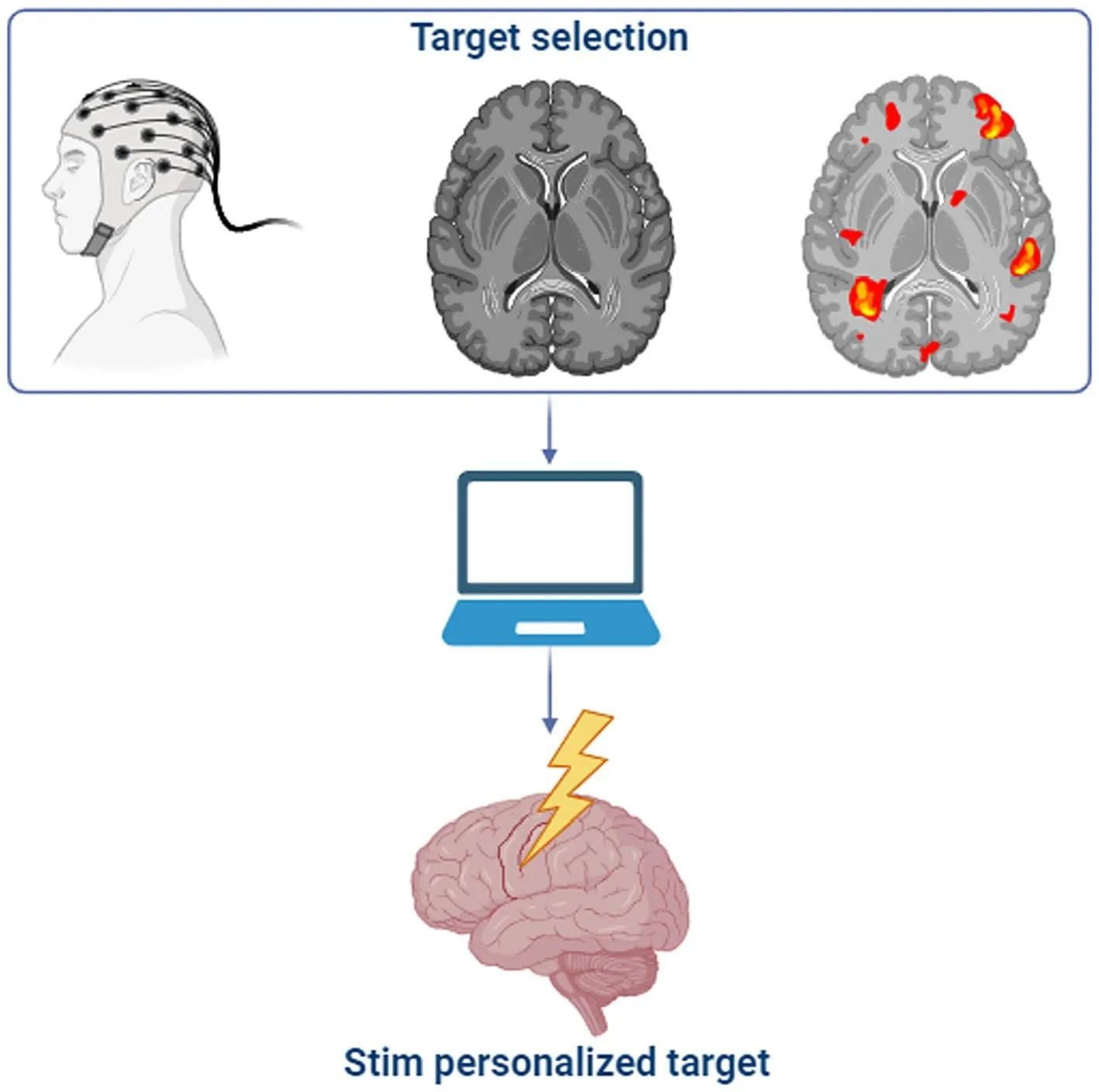 Neural activity is first recorded using brain-computer interface technologies and analyzed to identify patient-specific biomarkers and therapeutic targets. Computational algorithms then select the optimal stimulation site, enabling adaptive neurostimulation to deliver personalized treatment based on an individual's unique neural activity patterns. Image credit: Carè et al, (2024).
Which Treatment-Resistant Conditions Are Being Targeted?
Precision brain interfaces are being developed to address a growing range of treatment-resistant neurological and psychiatric disorders by targeting the abnormal neural circuits that underlie symptoms. Deep brain stimulation, which is one of the earliest applications of this technology for treating Parkinson’s disease, has a built-in monitoring system that detects habitual patterns of abnormal brain activity and then adjusts the level of stimulation based on the activity to improve motor symptoms with fewer side effects due to having used too much stimulation. Responsive neurostimulation for treating epilepsy uses a similar approach by monitoring patterns of brain activity characteristic of a seizure and providing stimulation after the abnormal electrical activity is detected.1,4
In depressive disorder, closed-loop neurostimulation techniques are being developed to detect the presence of certain neural biomarkers associated with depression and provide customized treatment options. Similar closed-loop stimulation methods are being studied for many other types of psychiatric disorders, including obsessive-compulsive disorder, anxiety disorders, and other conditions with abnormal functional networks in the brain.1,4
Scientists are also investigating neuromodulation combined with brain-computer interface (BCI) technology to maximize neuroplasticity and improve motor recovery after stroke. In addition, efforts are underway to develop neural interfaces for people with spinal cord injuries, enabling communication between the brain and assistive devices to facilitate bodily movement. Emerging BCI systems are also being investigated for Alzheimer's disease, schizophrenia, post-traumatic stress disorder, amyotrophic lateral sclerosis, and chronic motor deficits following stroke, where adaptive stimulation may promote functional recovery and improve quality of life.1,3
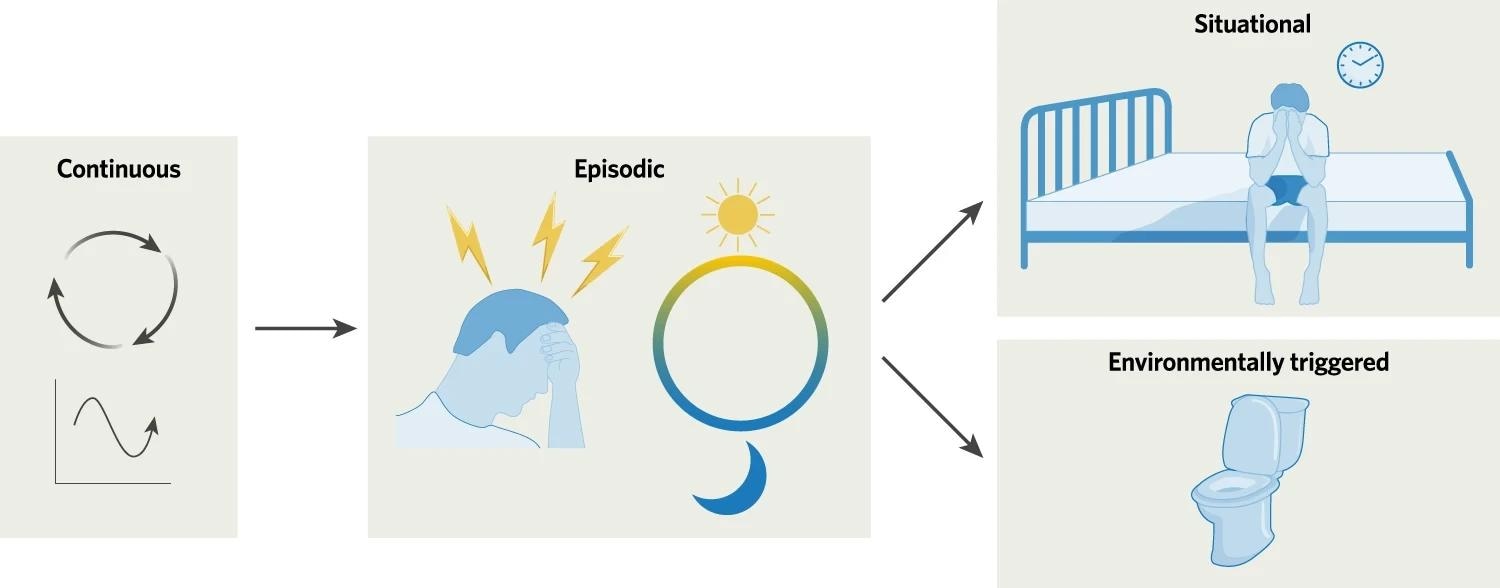 Neurological and psychiatric symptoms can occur as continuous, episodic, situational, or environmentally triggered events. Precision brain interfaces use neural biomarkers and real-time monitoring to identify these varying symptom patterns, enabling adaptive neurostimulation systems to deliver targeted therapy only when and where it is needed. Image credit: Sellers et al, (2024).
What Challenges Still Limit Precision Neurostimulation?
There are still a number of barriers to the use of precision neurostimulation, despite rapid technological advances. Advanced technology often relies on invasive procedures like inserting electrodes or neural interfaces, which pose risks like infection, tissue damage, device failure, and typically require multiple surgical interventions. Additionally, the high cost of the devices, along with implantation and long-term maintenance, limits access to them in many resource-limited health care systems.1,3
Concerns about long-term safety remain a major issue for all devices currently. There continues to be concern over device durability, long-term neural effects, and the stability of recorded signals over extended periods. Another challenge is the considerable variability observed between patients. Differences in brain anatomy, disease progression, neural activity patterns, and treatment responses make it difficult to develop universally effective stimulation protocols, increasing the need for individualized approaches. Maintaining reliable neural decoding over time remains a major technical challenge because neural signals can vary across individuals, disease states, behavioral conditions, and recording environments.2,3
Regulatory approval pathways pose additional obstacles, especially for adaptive systems that incorporate AI and continuously modify therapy in response to incoming neural data. Demonstrating safety, reliability, and clinical effectiveness for these evolving technologies can be complex. Additionally, the privacy and security of incoming neural data, as well as the potential impact of the therapy on cognition, behavior, or decision-making, need to be taken into account from an ethical perspective. Questions surrounding patient autonomy, ownership of neural data, algorithmic transparency, and the ethical use of continuously collected brain information are increasingly important as these systems become more sophisticated.1,4
Future Developments in Precision Brain Interfaces
The next generation of precision brain interfaces is expected to move beyond current adaptive neurostimulation systems toward fully integrated platforms that continuously sense, interpret, and modify neural activity in real time. Systems that use closed-loop neuromodulation to automatically adjust stimulation parameters based on changing neural states, progression of disease, and individual responses to therapy will be greatly enhanced by advanced AI techniques, which will improve the ability to decode neural signals, discover subtle biomarkers, forecast variations in symptoms, and optimize stimulation protocols without the direct need for intervention from clinicians.1,2,4
Researchers are also developing less invasive neural interfaces that reduce surgical risks while maintaining high-quality neural recordings. In addition, new technologies, such as endovascular electrodes, flexible biomaterials, and advanced brain-computer interfaces, are intended to improve the long-term compatibility of implanted devices with surrounding neural tissue and enhance their stability. Wireless communication devices and battery-free implants may also be used to reduce maintenance requirements and enhance patient comfort during extended neurostimulation therapy. Novel biomaterials, including conductive hydrogels, graphene-based materials, and advanced neural interfaces, are being investigated to improve biocompatibility, signal quality, and long-term device performance.1,3
Future precision brain interfaces are also expected to integrate with digital therapeutics, wearable sensors, and remote monitoring platforms. These systems would enable early detection, real-time monitoring, and therapeutics, all within a single patient-specific model. Although substantial clinical validation remains necessary, ongoing advances in neuroscience, AI, and neuroengineering continue to bring truly personalized brain-based therapies closer to reality. Future systems may also incorporate activity-dependent stimulation paradigms that dynamically reinforce beneficial neural plasticity by linking stimulation delivery directly to ongoing neural activity.2,4
Download The Free PDF Copy Of This Article For The Science Behind Neurostimulation 2.0.
Conclusion
Precision neurostimulation represents a significant shift from conventional symptom management toward personalized, data-driven intervention for neurological and psychiatric disorders. Precision brain interfaces combine neural sensor technologies, biomarker detection, AI, and adaptive stimulation to provide personalized treatment options to those who are not responding to standard treatments.
Many clinical studies focusing on Parkinson’s disease, epilepsy, depression, stroke recovery, and paralysis show the benefit of these technologies, but many obstacles to their use exist, including issues related to safety, access, efficacy over time, ethical concerns, and regulatory oversight. Continued improvements in neural decoding reliability, biomarker discovery, minimally invasive neural interfaces, and adaptive closed-loop algorithms are expected to play a central role in translating Neurostimulation 2.0 from specialized research settings into routine clinical practice.1-4
Further research and larger clinical trials are required to support these technologies and define their use in routine clinical care.
References
- Xu, Y., Chen, D., Ye, Q., Zhang, P., Shi, J., Li, S., Sun, Y., Zhao, Z., Tang, Y., Zhang, P., & Tang, Z. (2026). Emerging neural recording and neurostimulation technologies based on brain-computer interface: A promising approach for neuropsychiatric disorders. MedComm. 7. DOI:10.1002/mco2.70739, https://onlinelibrary.wiley.com/doi/10.1002/mco2.70739
- Carè, M., Chiappalone, M., & Cota, V. R. (2024). Personalized strategies of neurostimulation: From static biomarkers to dynamic closed-loop assessment of neural function. Frontiers in Neuroscience. 18. DOI:10.3389/fnins.2024.1363128, https://www.frontiersin.org/journals/neuroscience/articles/10.3389/fnins.2024.1363128/full
- Li, J., Zhang, W., Liao, Y., Qiu, Y., Zhu, Y., Zhang, X., & Wang, C. (2025). Neural decoding reliability: Breakthroughs and potential of brain–computer interfaces technologies in the treatment of neurological diseases. Physics of Life Reviews. 55. DOI:10.1016/j.plrev.2025.08.007, https://www.sciencedirect.com/science/article/pii/S1571064525001265
- Sellers, K. K., Cohen, J. L., Khambhati, A. N., Fan, J. M., Lee, A. M., Chang, E. F., & Krystal, A. D. (2024). Closed-loop neurostimulation for the treatment of psychiatric disorders. Neuropsychopharmacology. 49(1). 163-178. DOI:10.1038/s41386-023-01631-2, https://www.nature.com/articles/s41386-023-01631-2
Further Reading
Last Updated: Jun 23, 2026