With fruit juice supplying a quarter of vitamin C intake in the UK sample, researchers modeled what happens when consumption patterns shift across different age groups and diets.
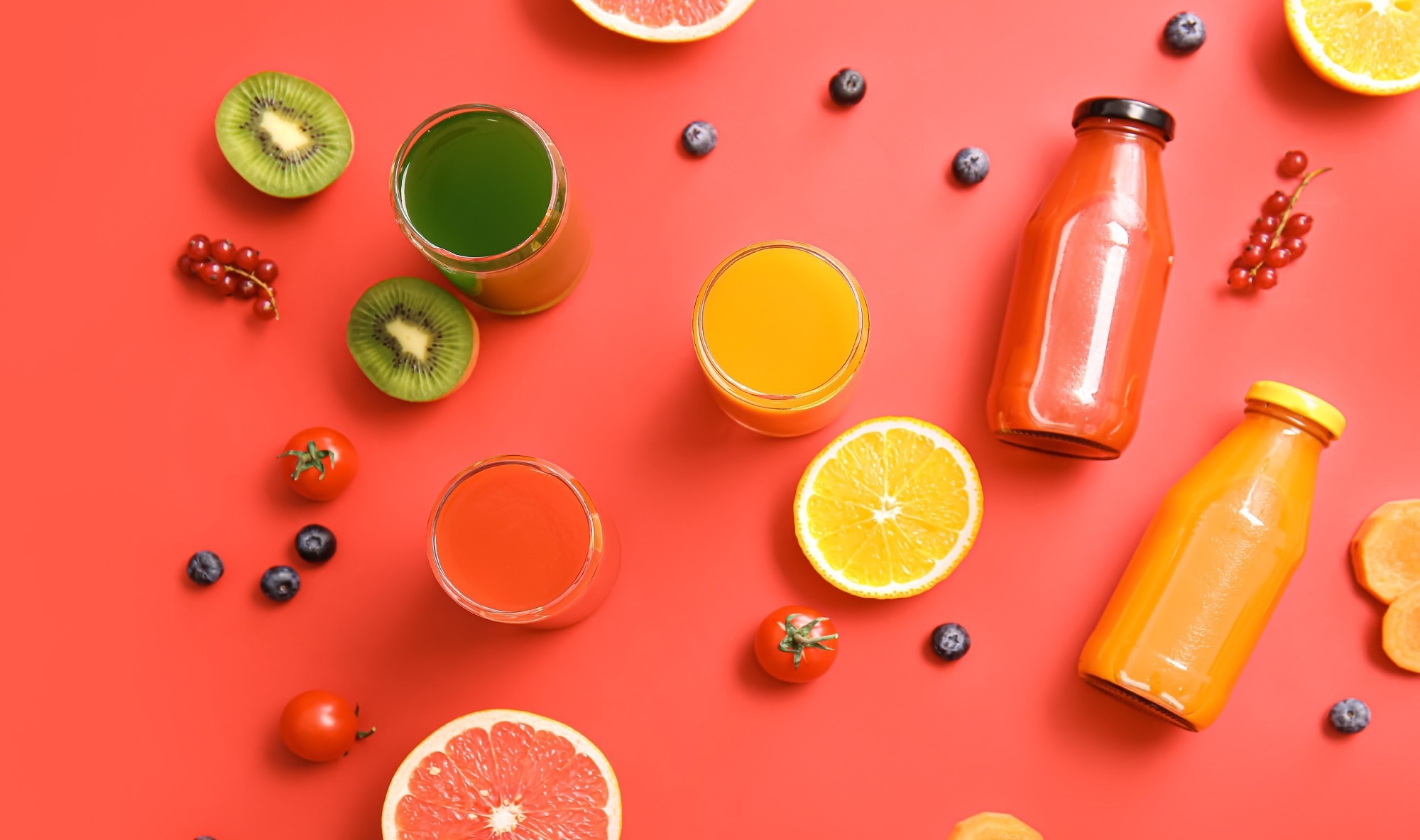
Study: A dietary modelling approach to examine the impact on vitamin C intakes in the United Kingdom with varying consumption of fruit juice. Image Credit: Pixel-Shot / Shutterstock
In a recent study published in the journal Frontiers in Nutrition, researchers in the United Kingdom used a stochastic dietary modeling approach to examine how varying fruit juice (FJ) consumption could affect vitamin C intake and adequacy. The study methodology examined FJ as classified within the National Diet and Nutrition Survey (NDNS) and utilized data from the United Kingdom National Diet and Nutrition Survey (NDNS; n = 3,558) between 2016 and 2019. The study analyzed data to determine how adding or modifying FJ intake impacts dietary vitamin C intake and free sugar consumption.
Theoretical modeling demonstrated that while around four in five participants met the Reference Nutrient Intake (RNI) for vitamin C, broadening the base of fruit juice consumers (as opposed to increasing the volume consumed by existing drinkers) represents a potentially more effective approach to improving vitamin C adequacy, with minimal impact on overall free sugar intake at moderate consumption levels.
Background
Vitamin C (ascorbic acid) is an essential (cannot be synthesized endogenously) water-soluble micronutrient that has been previously established to serve as a vital cofactor for collagen biosynthesis and one of the most physiologically relevant dietary antioxidants available to humans.
Decades of biochemical and clinical research have consistently shown that adequate daily dietary intake is necessary to maintain immune function, enhance iron absorption, and help protect against oxidative stress and cellular damage.
Public health agencies have used this data to support nutritional adequacy, as demonstrated by the United Kingdom guidelines, which establish a Reference Nutrient Intake (RNI) of 30 to 40 mg/day, facilitated through the national "5-a-day" fruit and vegetable recommendation. The authors noted that UK vitamin C reference values are lower than those in some other countries and have been called into question in light of newer evidence, which may affect how population adequacy is interpreted.
Recent reports indicate that only 17% of adults and 9% of adolescents meet the UK’s recommended 5-a-day target, suggesting that despite several campaigns aimed at increasing fruit and vegetable intake, population-wide adherence to these guidelines remains poor.
While some researchers recommend the consumption of 100% fruit juice (FJ) as they posit that a moderate 150 mL daily serving of FJ can count as one of the UK’s 5-a-day portions, critics argue that 100% FJ’s role in public health remains highly controversial (FJ is currently classified as a free sugar source within the country).
About the study
The present study aimed to address these persistent data limitations and inform future food-based dietary guidelines by examining contemporary contributors to vitamin C intake and projecting outcomes under distinct dietary modification scenarios.
The study sample data were obtained from the United Kingdom (UK) National Diet and Nutrition Survey (NDNS). The sample cohort was derived from NDNS years 9 to 11 (2016-2019) and comprised 3,558 participants.
The study methodology stratified these participants into seven distinct age groups, which were used in the stochastic dietary modeling approach to simulate isocaloric replacement scenarios in which current consumer intakes were altered in 10% increments (ranging from -100% to +100%) while overall energy intake was held constant. When FJ intake was reduced, it was modeled as being replaced by fruit, sugar-sweetened beverages (SSBs), or other foods already consumed by participants. For the modeling analyses, the FJ category was extended to include smoothies, while very small juice intakes, predominantly lemon juice, were excluded.
Subsequently, separate models simulated FJ consumption among 10%-50% of non-users, using amounts drawn from existing consumers of the same age group and sex, while adjusting other foods to maintain constant energy intake.
Study findings
Baseline data from the NDNS sample cohort indicate that 1,424 participants (40% of the sample cohort) reported consuming FJ during the four-day dietary recording period. Notably, despite this modest consumer base, FJ emerged as the leading contributor to overall vitamin C intake across the entire cohort (25%).
FJ contributed slightly more than fruit (24.2%) and cooked vegetables (24%), though these patterns were observed to be age-dependent. FJ was the top vitamin C source for children aged 4–10 years (29.5%), adolescents aged 11–14 years (35.5%), adolescents aged 15–18 years (32.5%), and adults aged 75 years and older (29.5%).
The analysis also found that the cohort’s median individual vitamin C intakes met or exceeded the RNI across all age categories. Fewer than 2% of participants fell below the Lower Reference Nutrient Intake (LRNI).
Overall, 7.7% of the study population fell below the Estimated Average Requirement (EAR), with teenage girls aged 15–18 years (11.5%) and women aged 75 years and older (10.4%) having the highest proportions below this threshold.
The study’s predictive modeling indicated that completely removing FJ from current consumers’ diets would reduce average vitamin C intake from 82 mg/day to 71–76 mg/day. When FJ was replaced with fruit or other foods, mean free sugar intake fell by less than 5 g/day, whereas replacing it with SSBs produced no reduction in free sugars.
Conversely, doubling current consumers' intake increased mean vitamin C to 92 mg/day but increased the proportion meeting the RNI by less than 1%, likely because most current consumers were already adequate. The model also predicted a small increase in free sugars with increasing FJ intake.
In the non-consumer scenarios, the models found that if 20% and 50% of non-consumers began consuming FJ in amounts similar to current consumers, population-wide vitamin C means would increase to 87 mg/day and 94 mg/day, respectively, with corresponding reductions in other foods modeled to keep total energy intake constant.
Conclusions
The present study suggests that encouraging more people, particularly those who consume little whole fruit, to include up to one 150 mL daily serving of FJ could improve modeled population-wide vitamin C adequacy while having a relatively small impact on free sugar intake. The authors did not recommend increasing intake beyond 150 mL/day among existing consumers and emphasized that whole fruit should not be displaced by juice.
The findings remain theoretical and are limited by the use of 2016-2019 dietary data, short three- to four-day dietary records, and substantial dietary underreporting. The study was funded by the Fruit Juice Science Centre, which the authors stated had no role in the study design, analysis, or manuscript preparation.
 Restricting select amino acids may mimic protein restriction’s healthy aging benefits